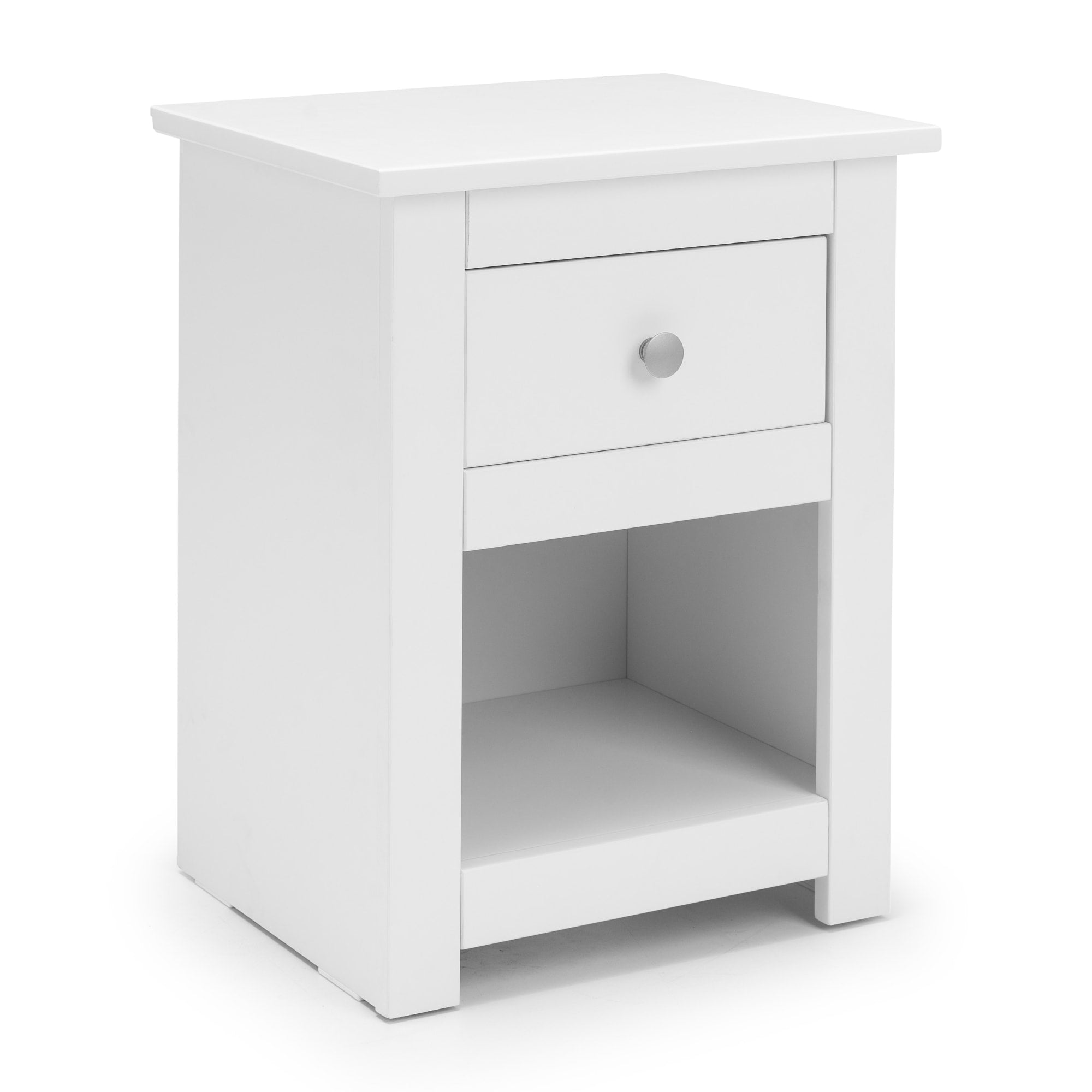
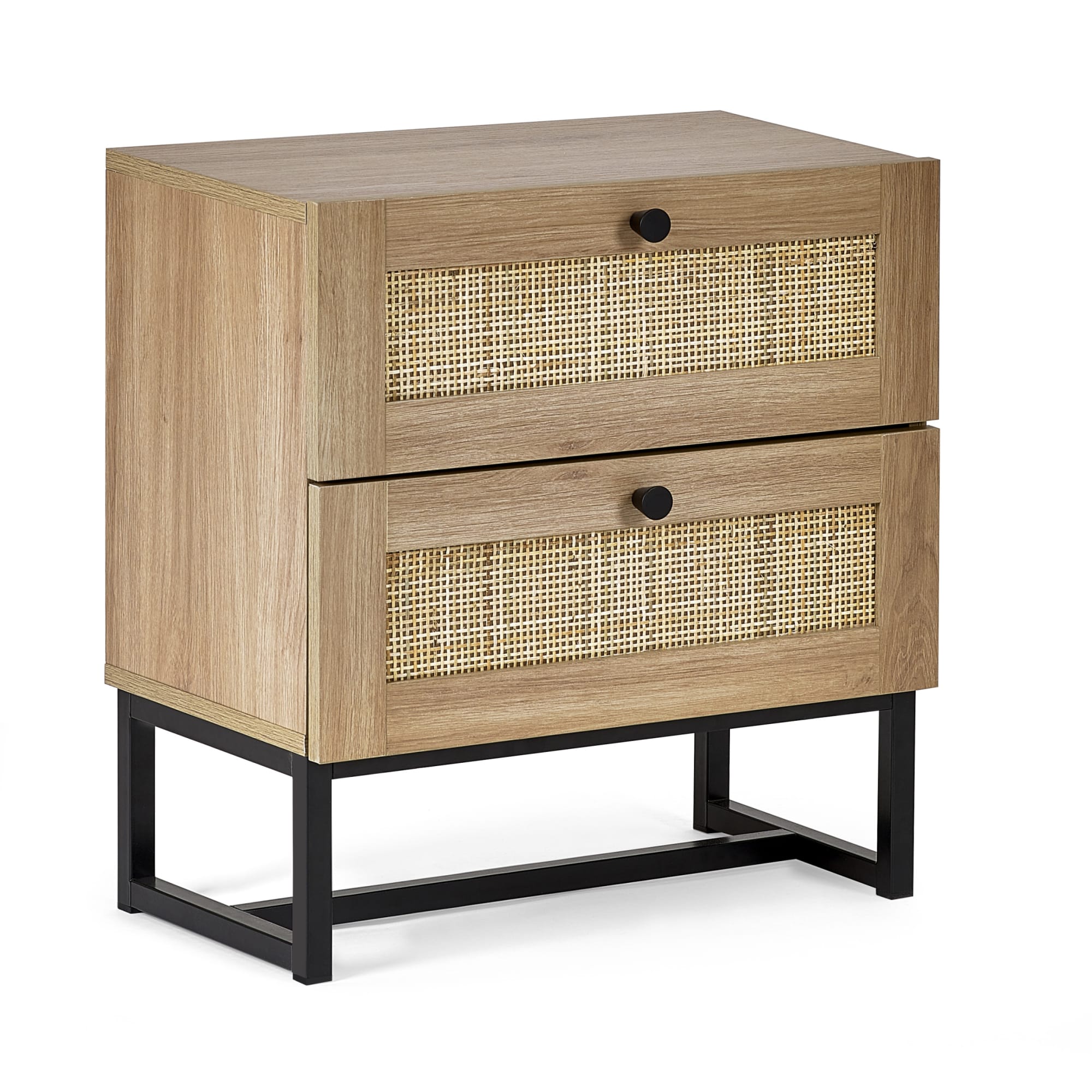
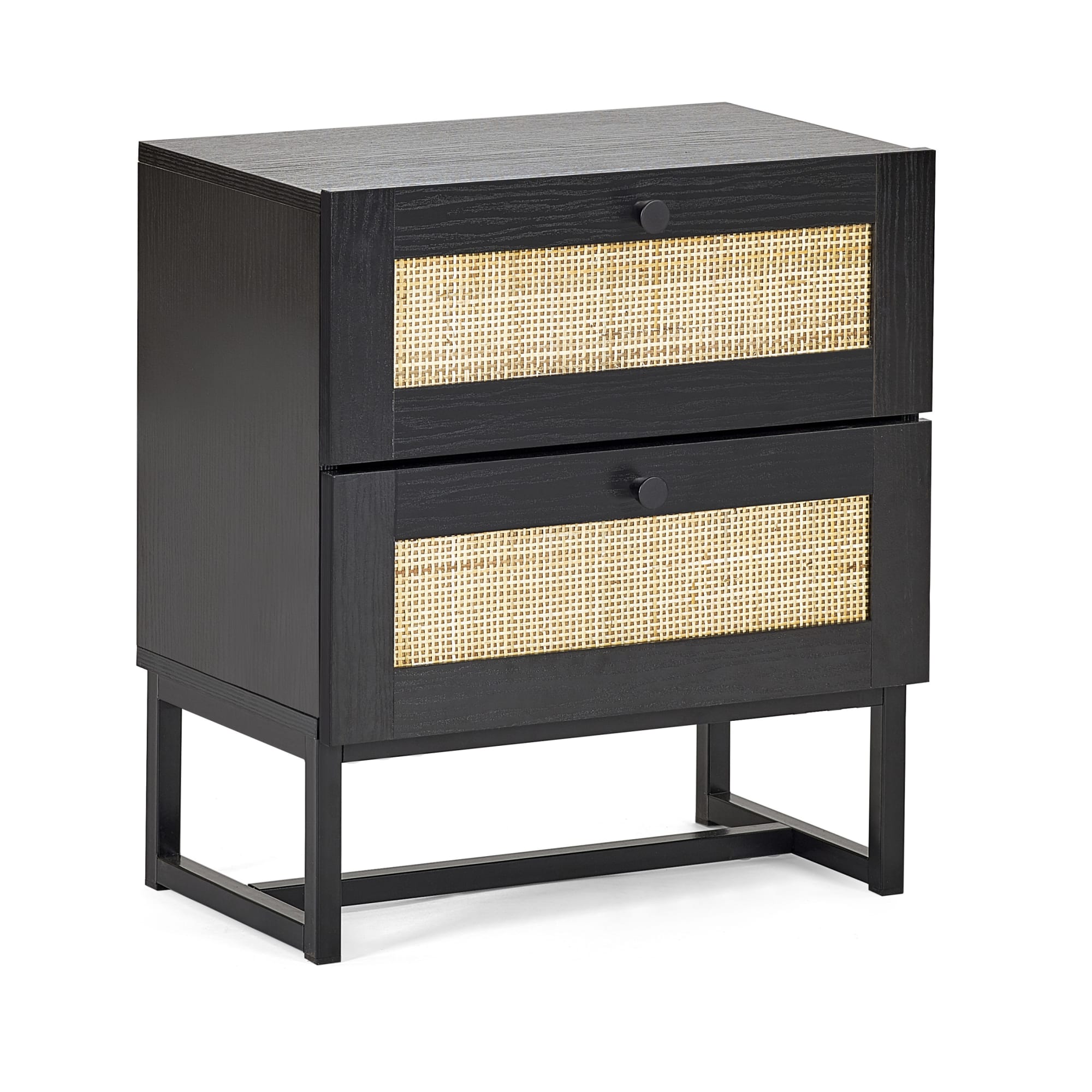
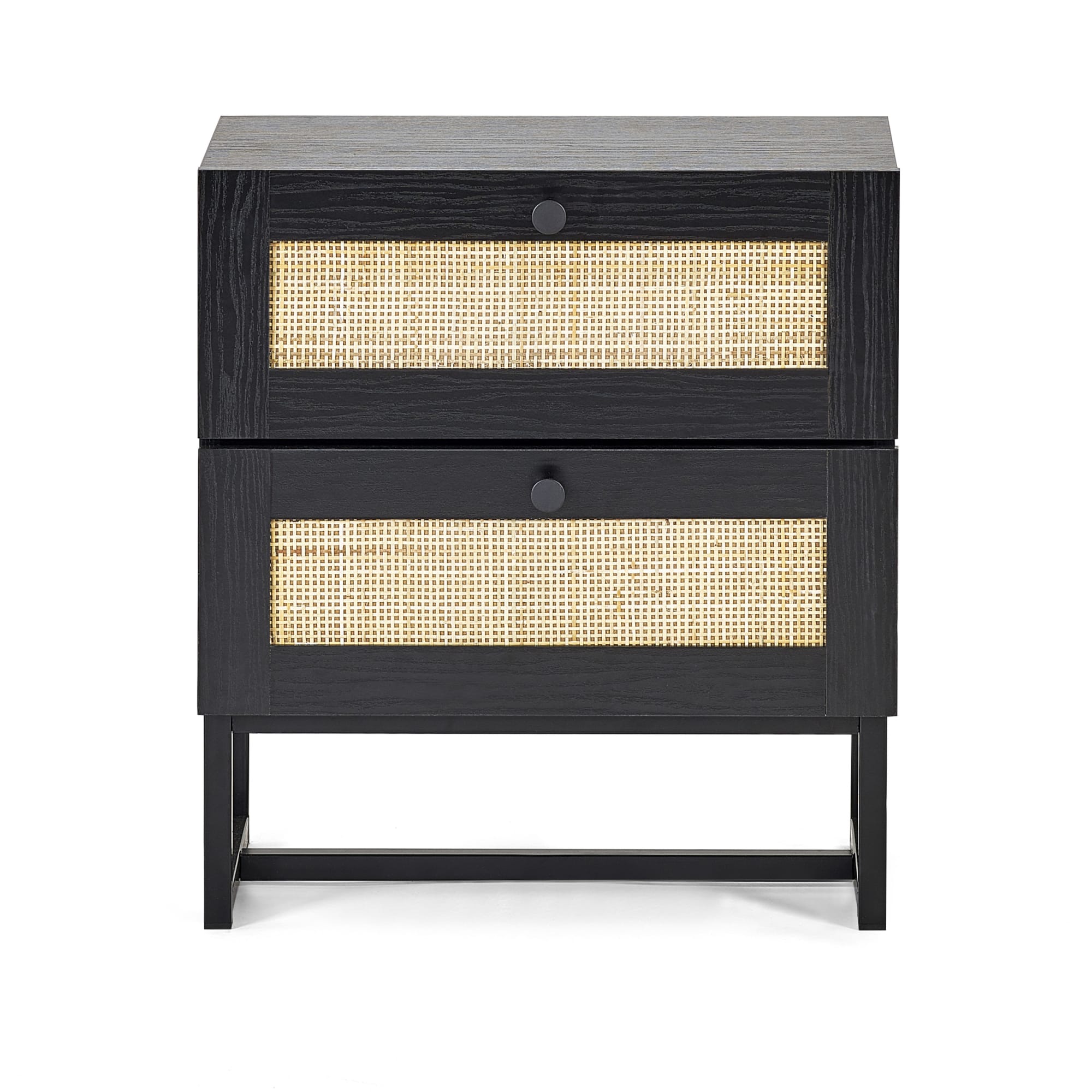
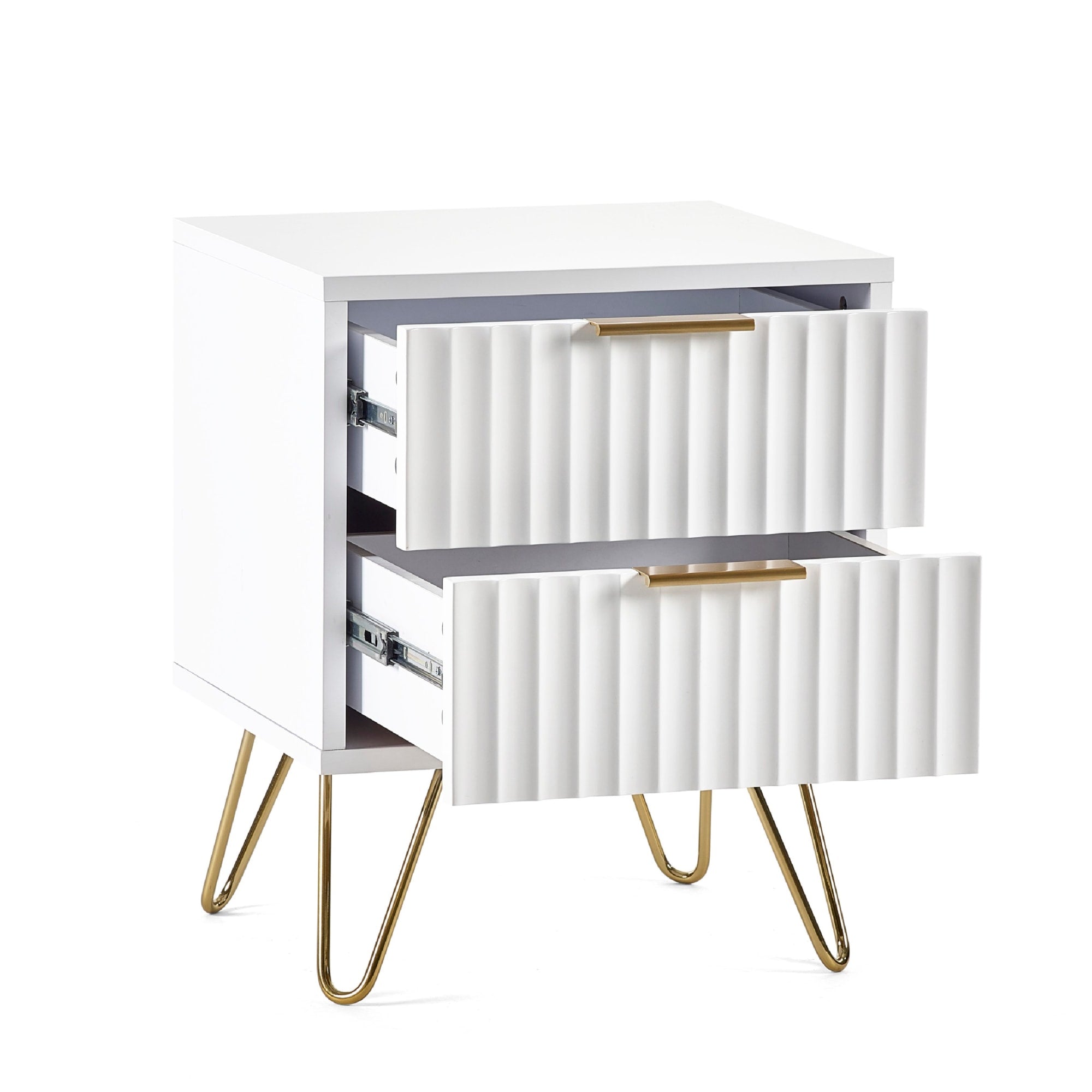
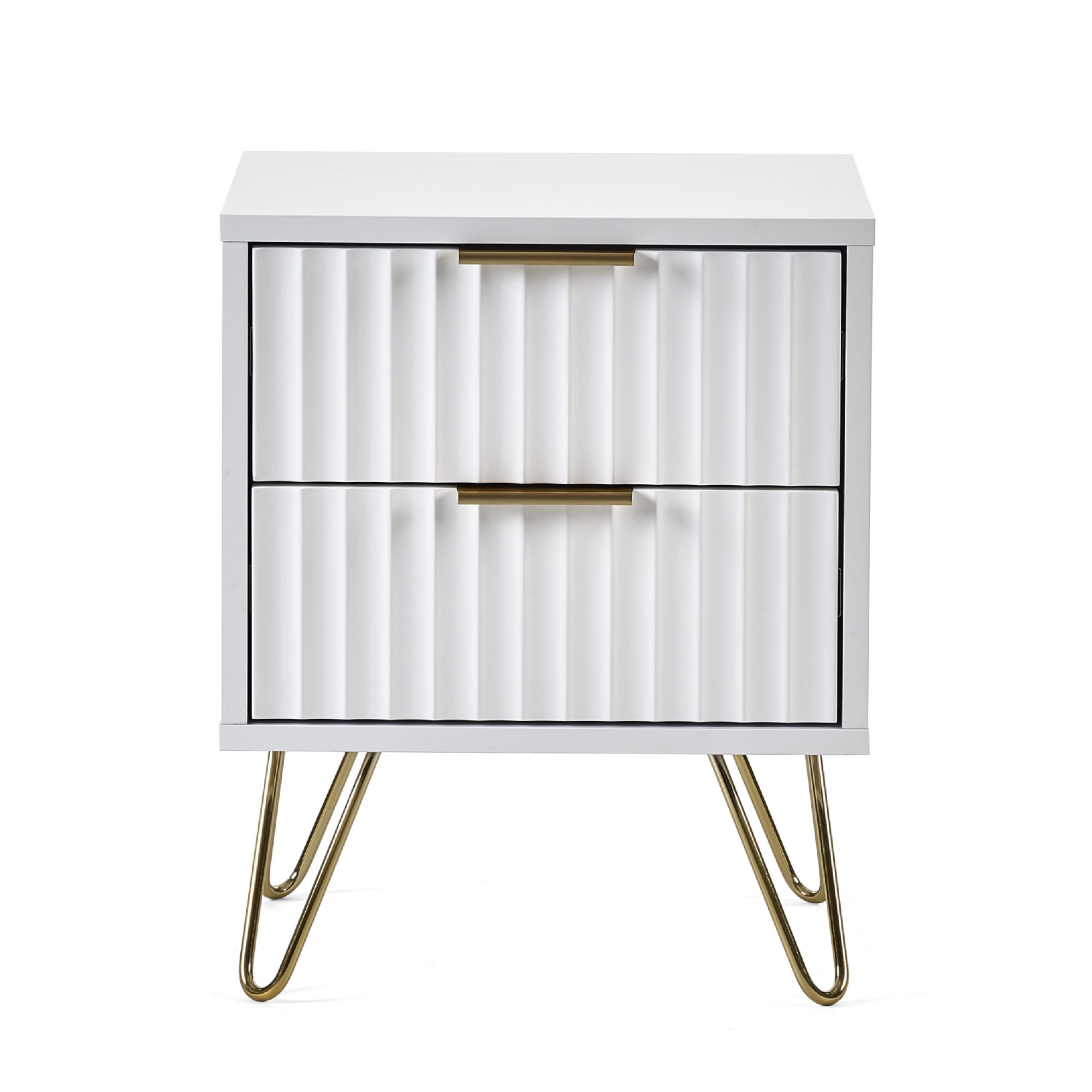
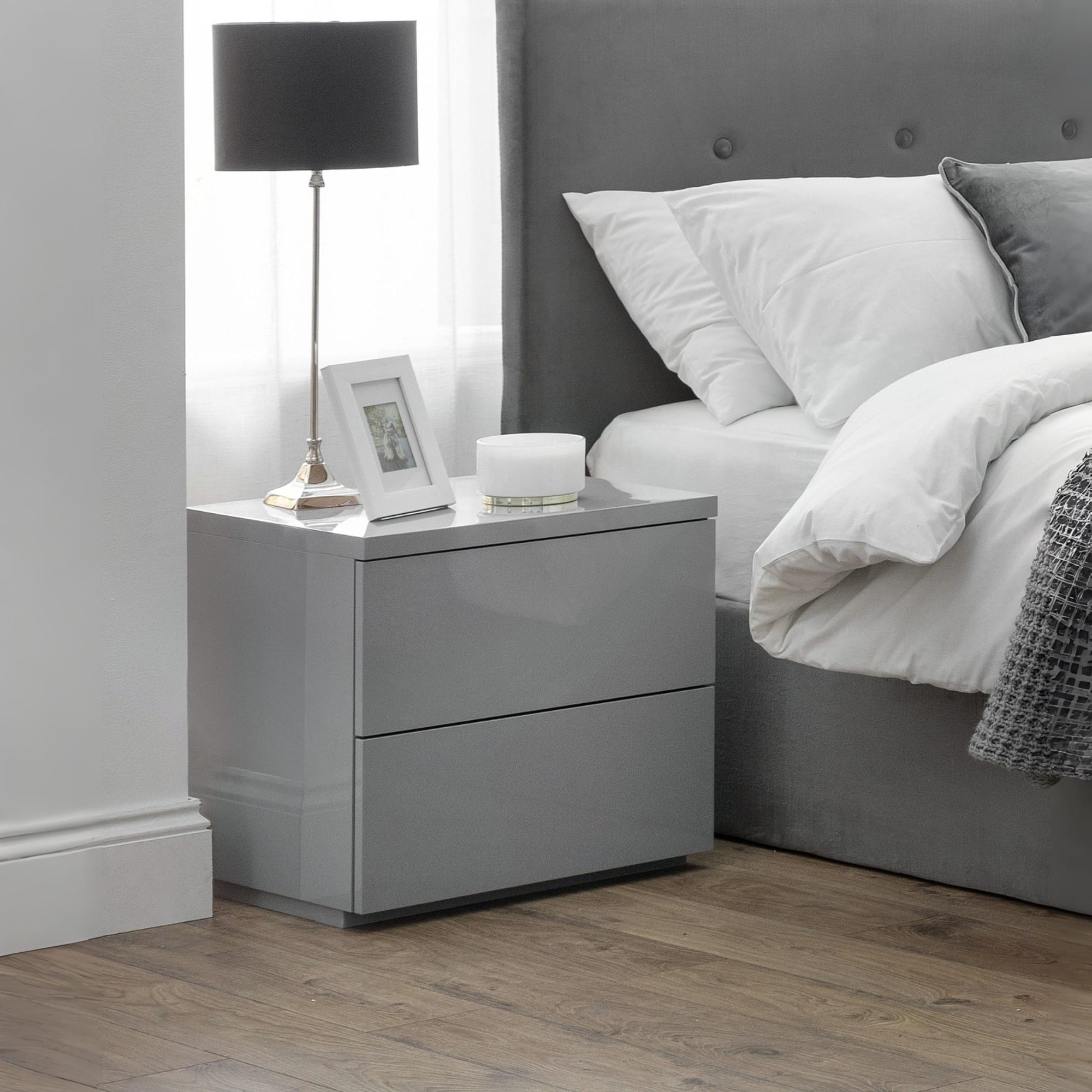
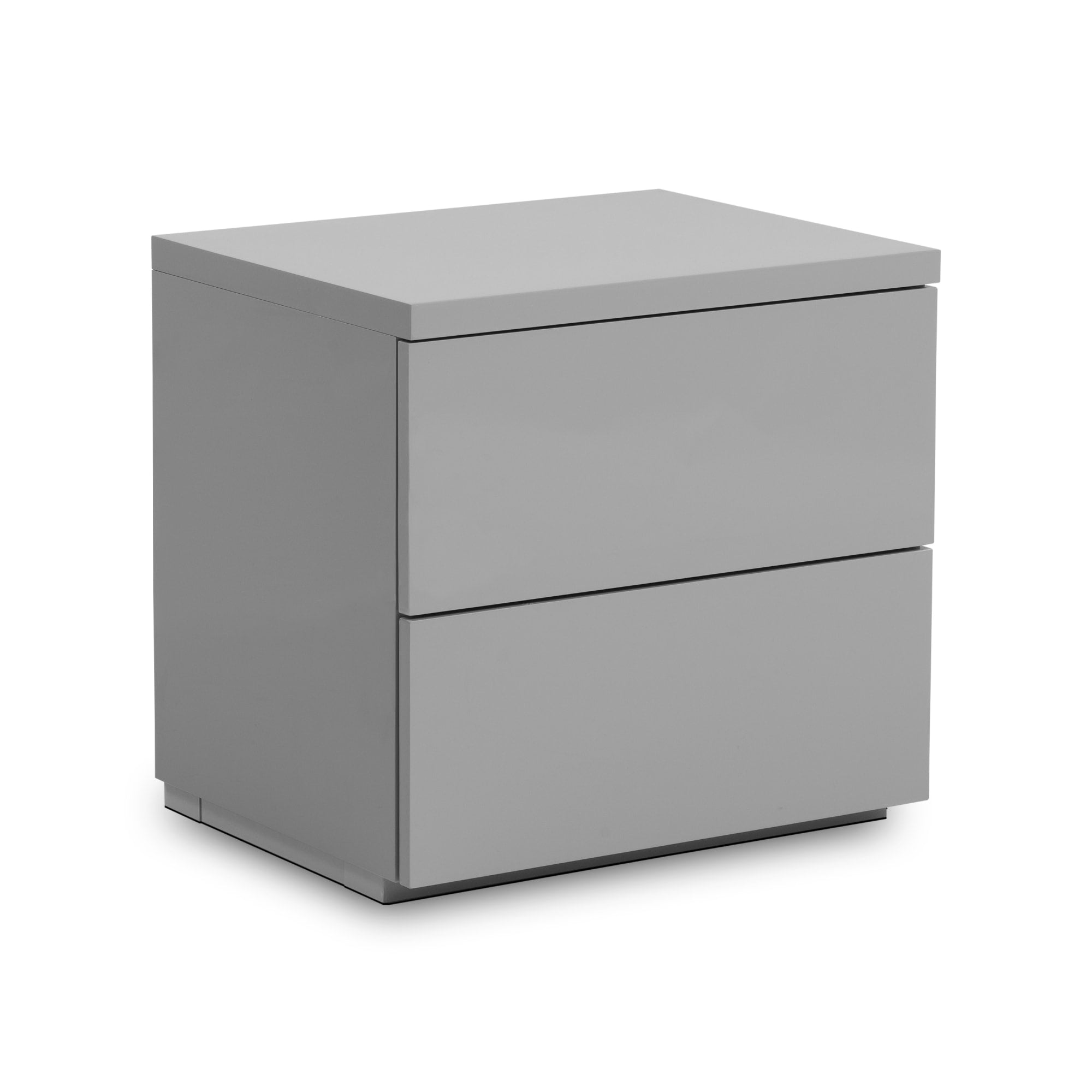
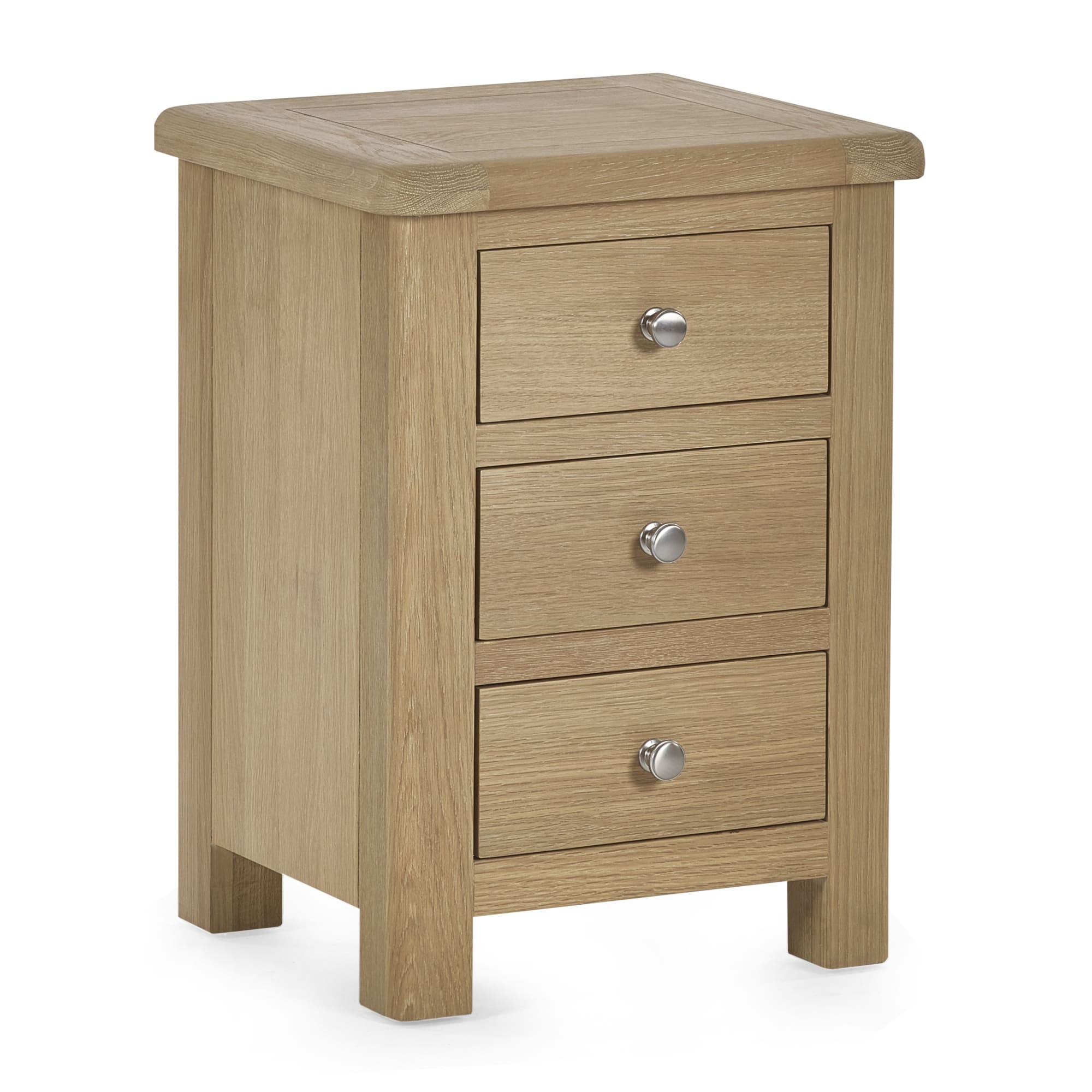
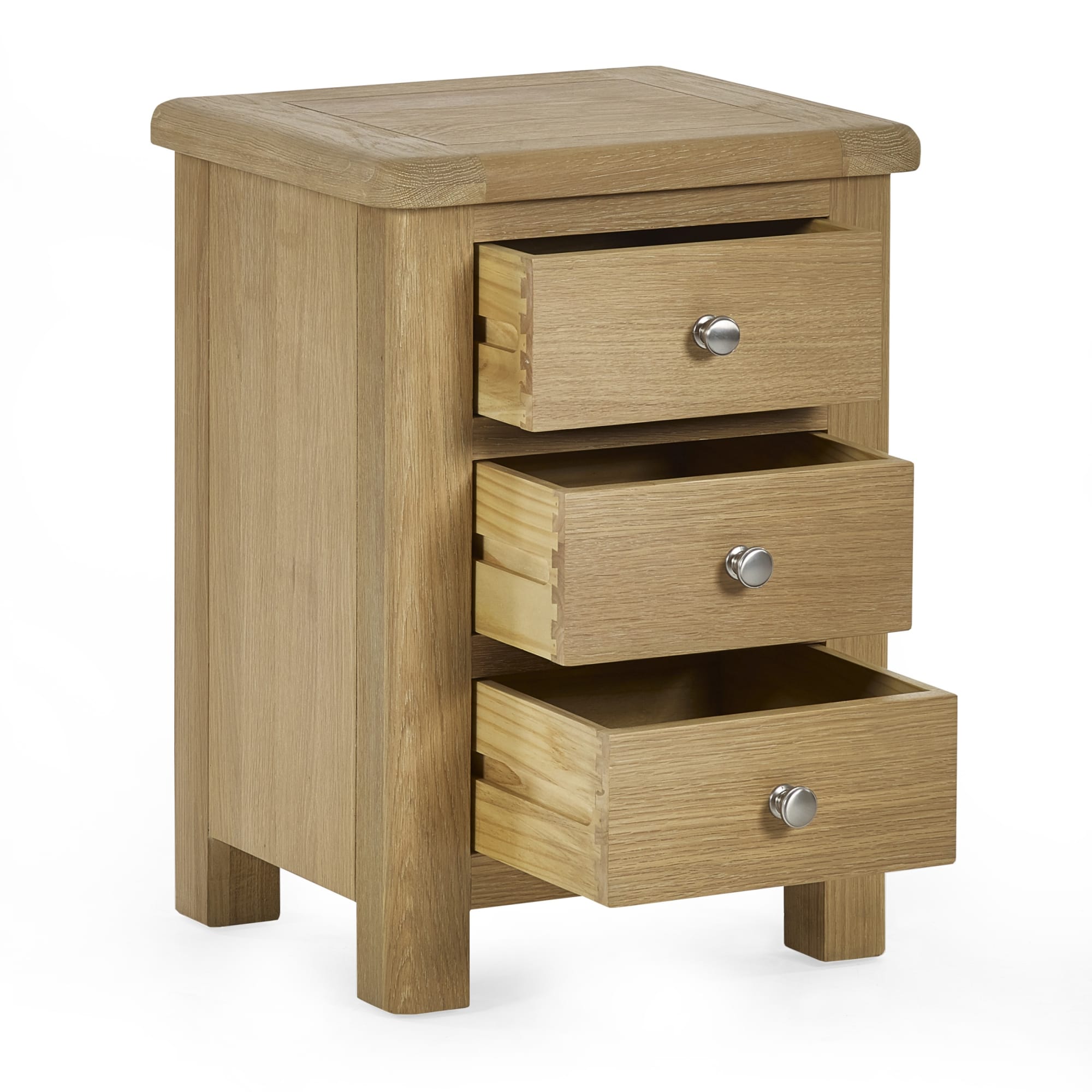
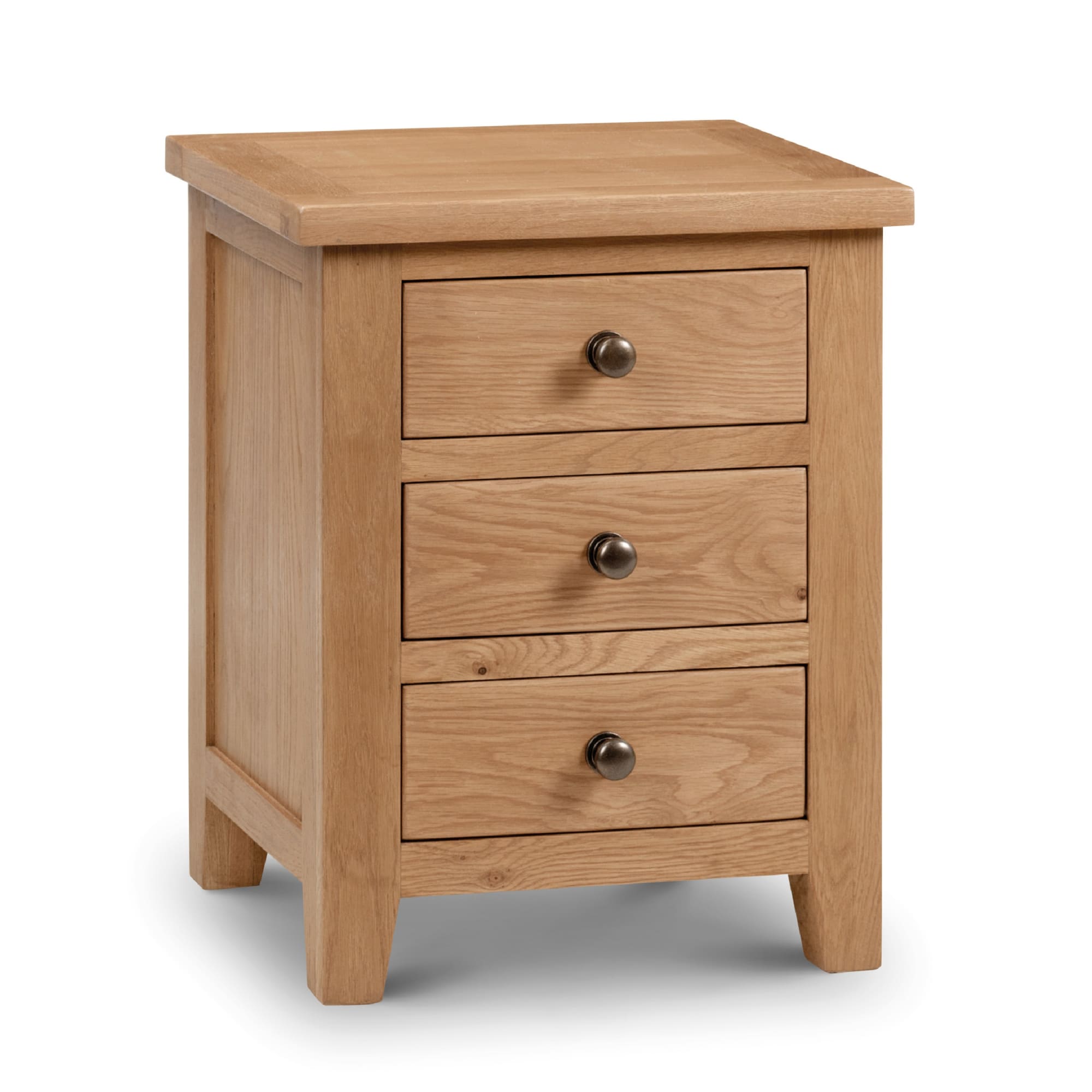
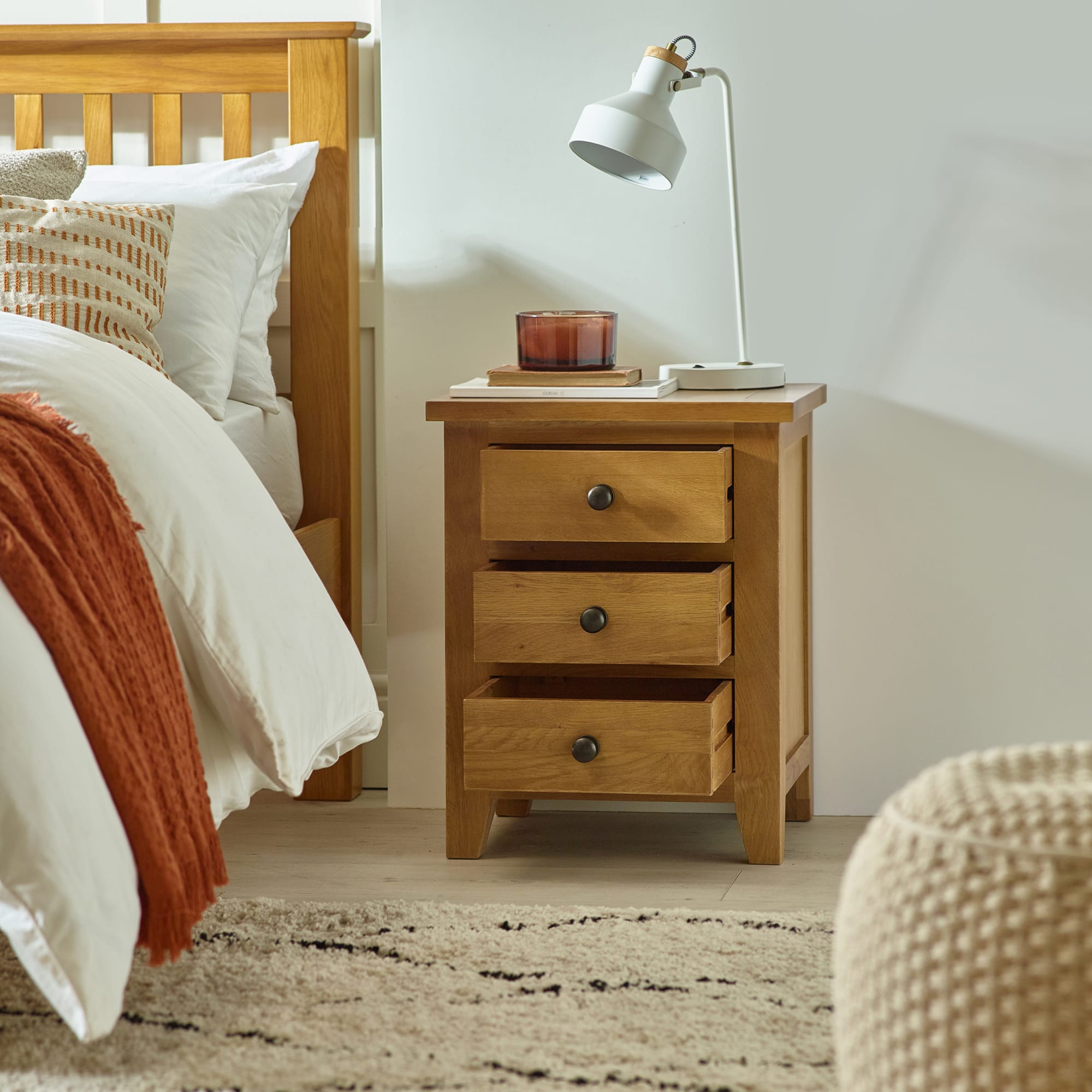
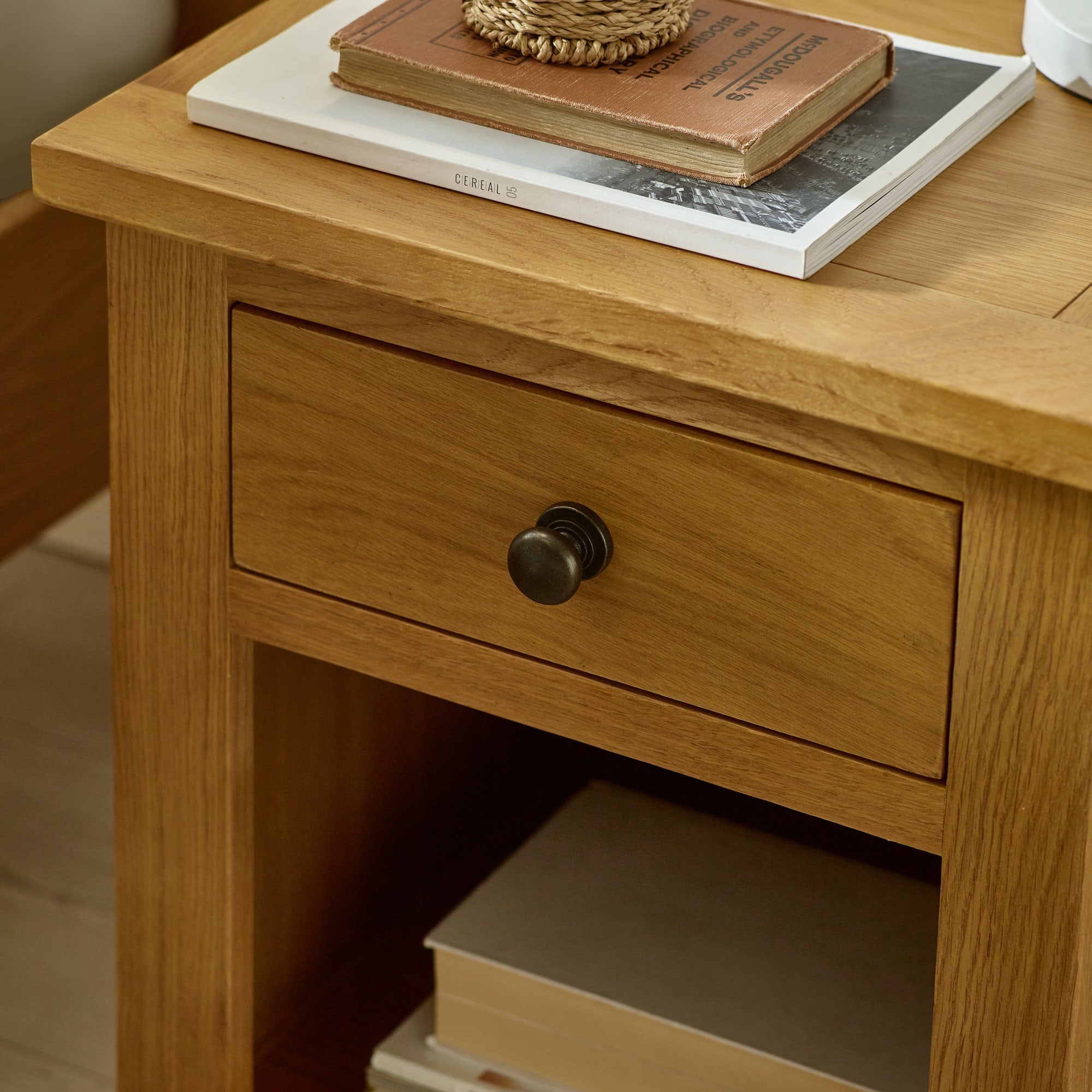
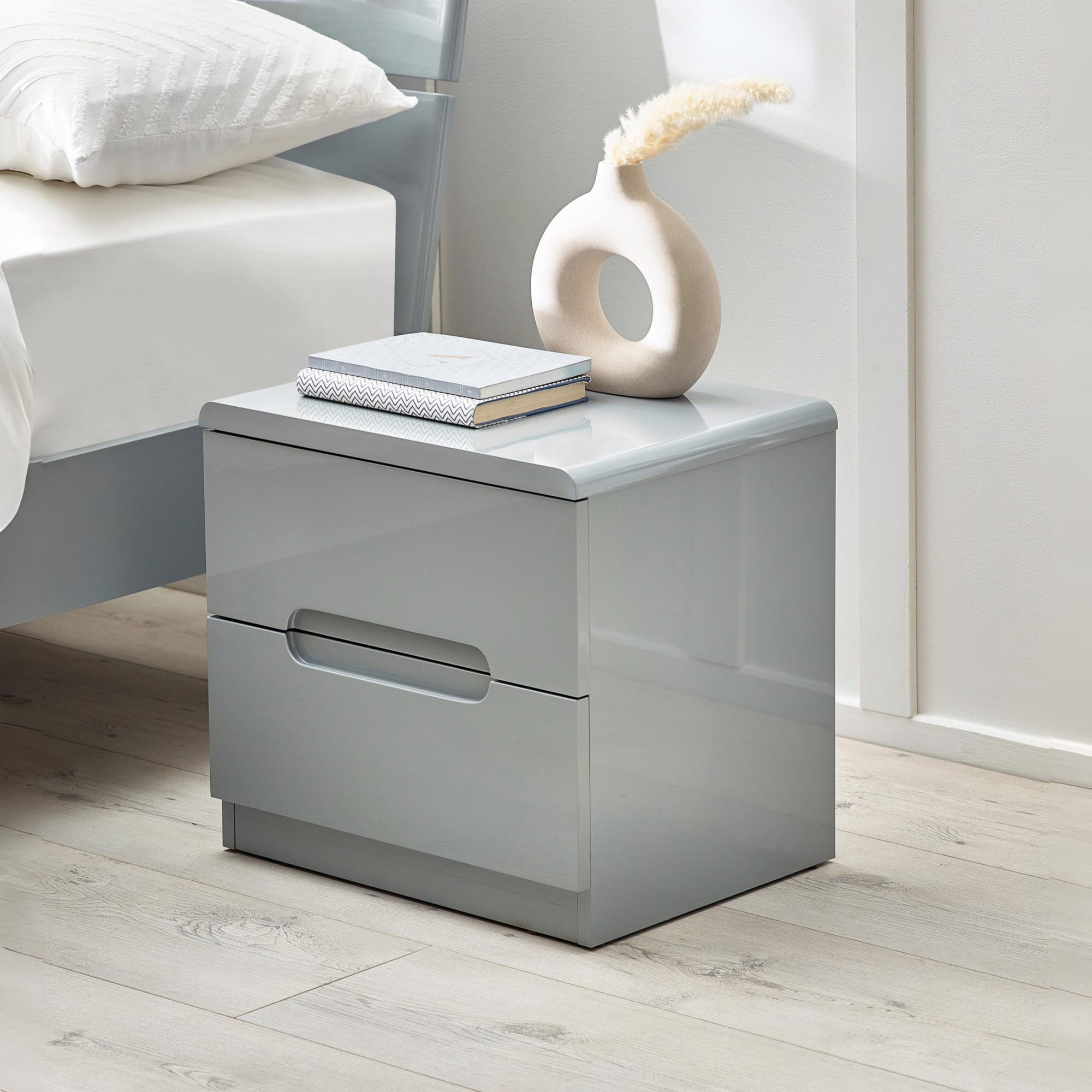
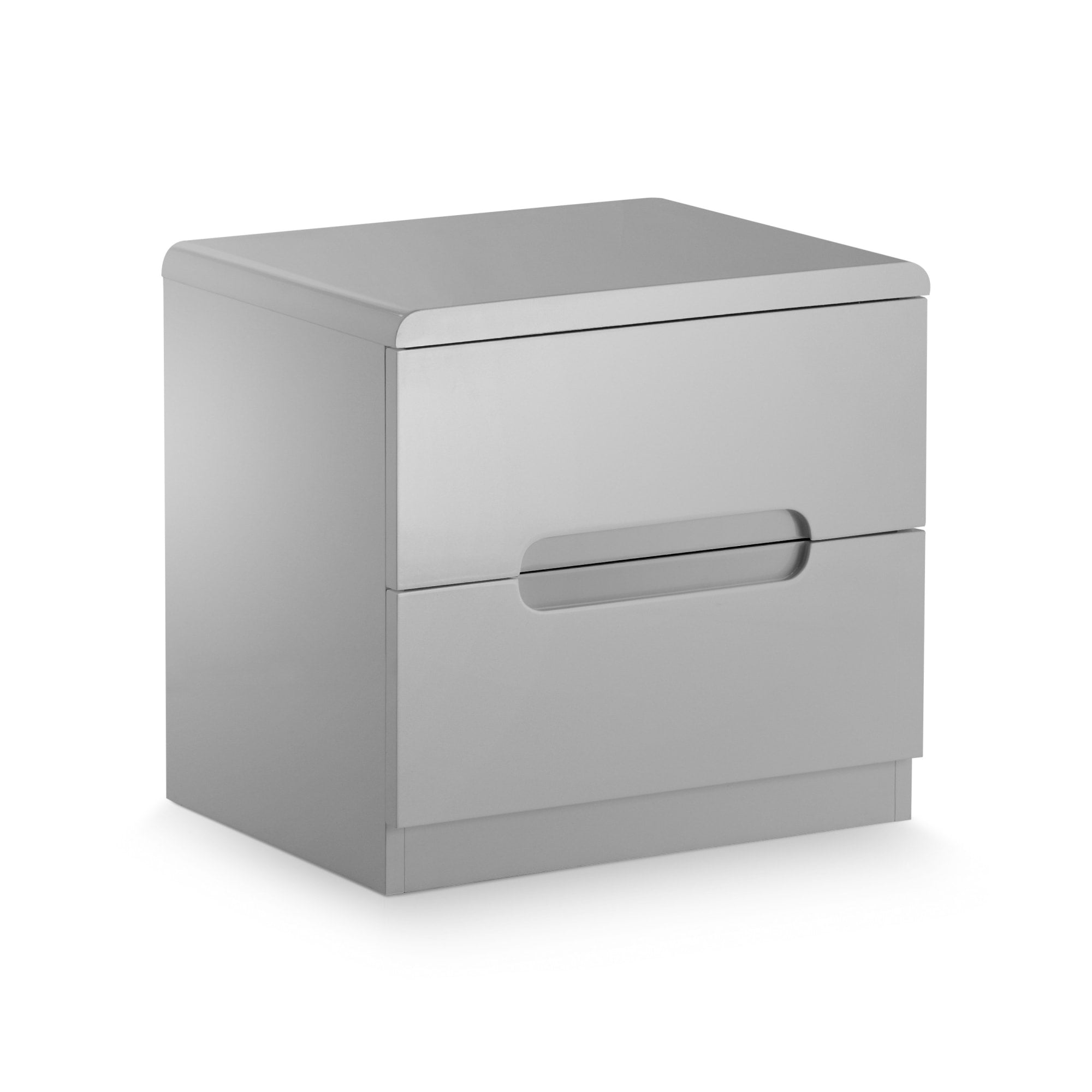
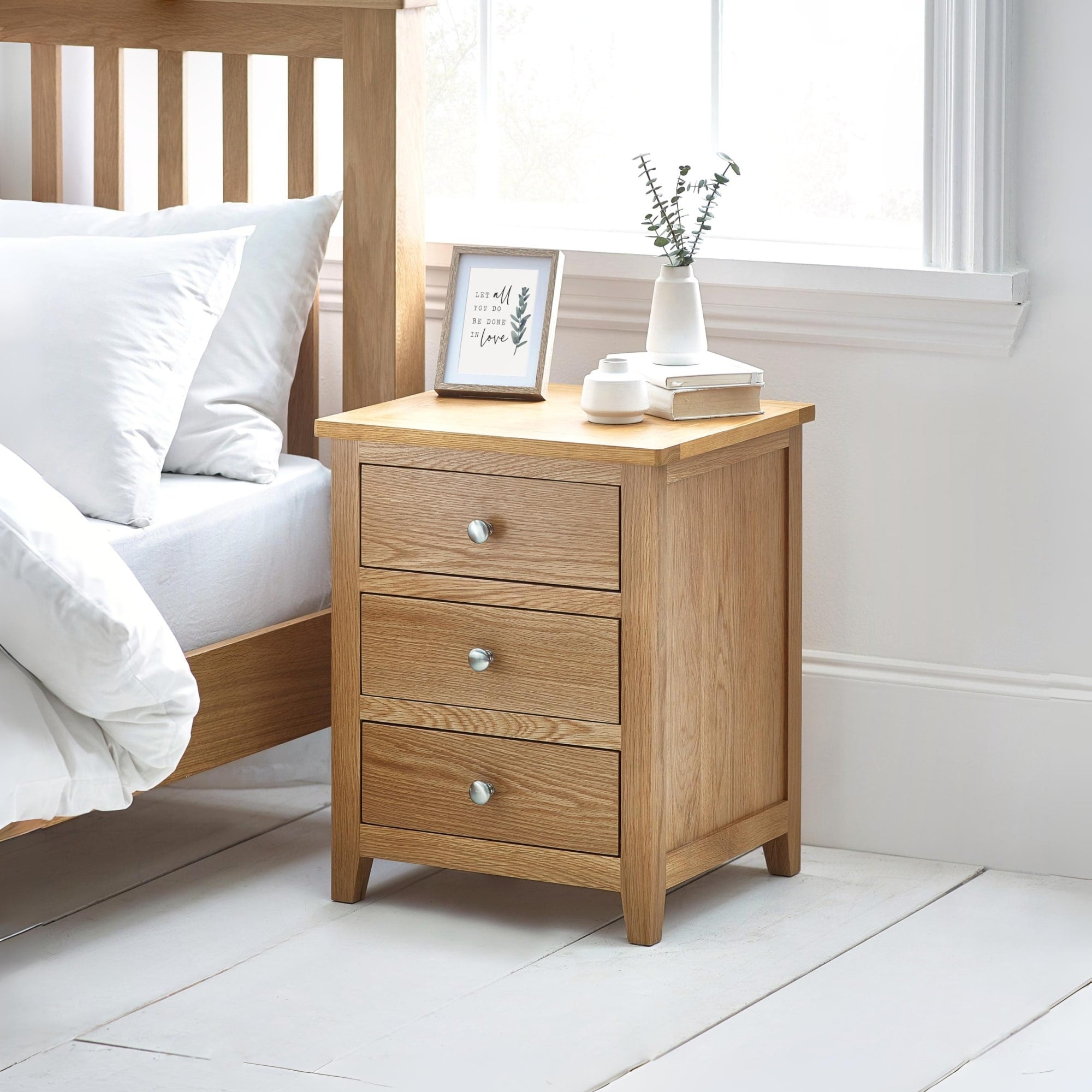
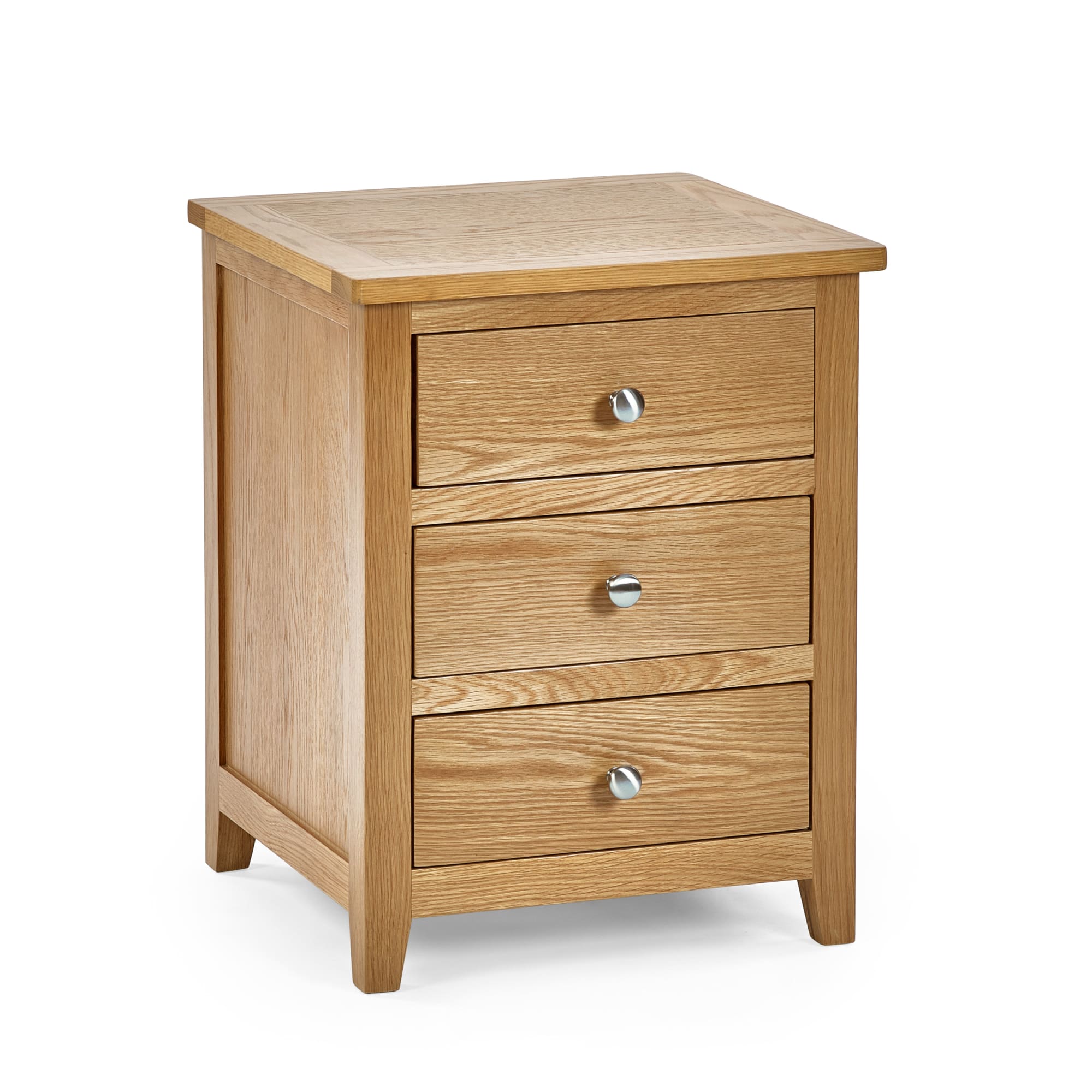
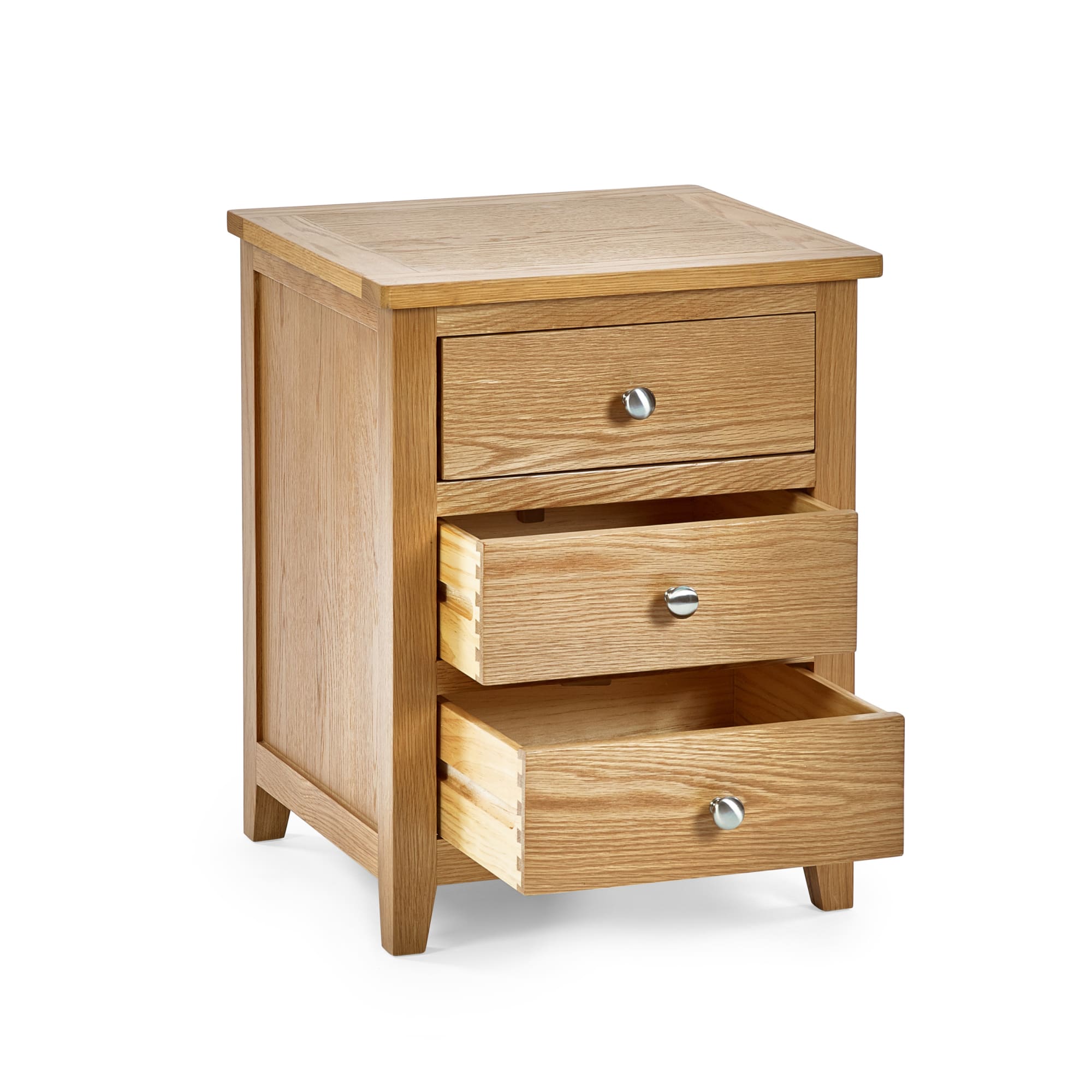
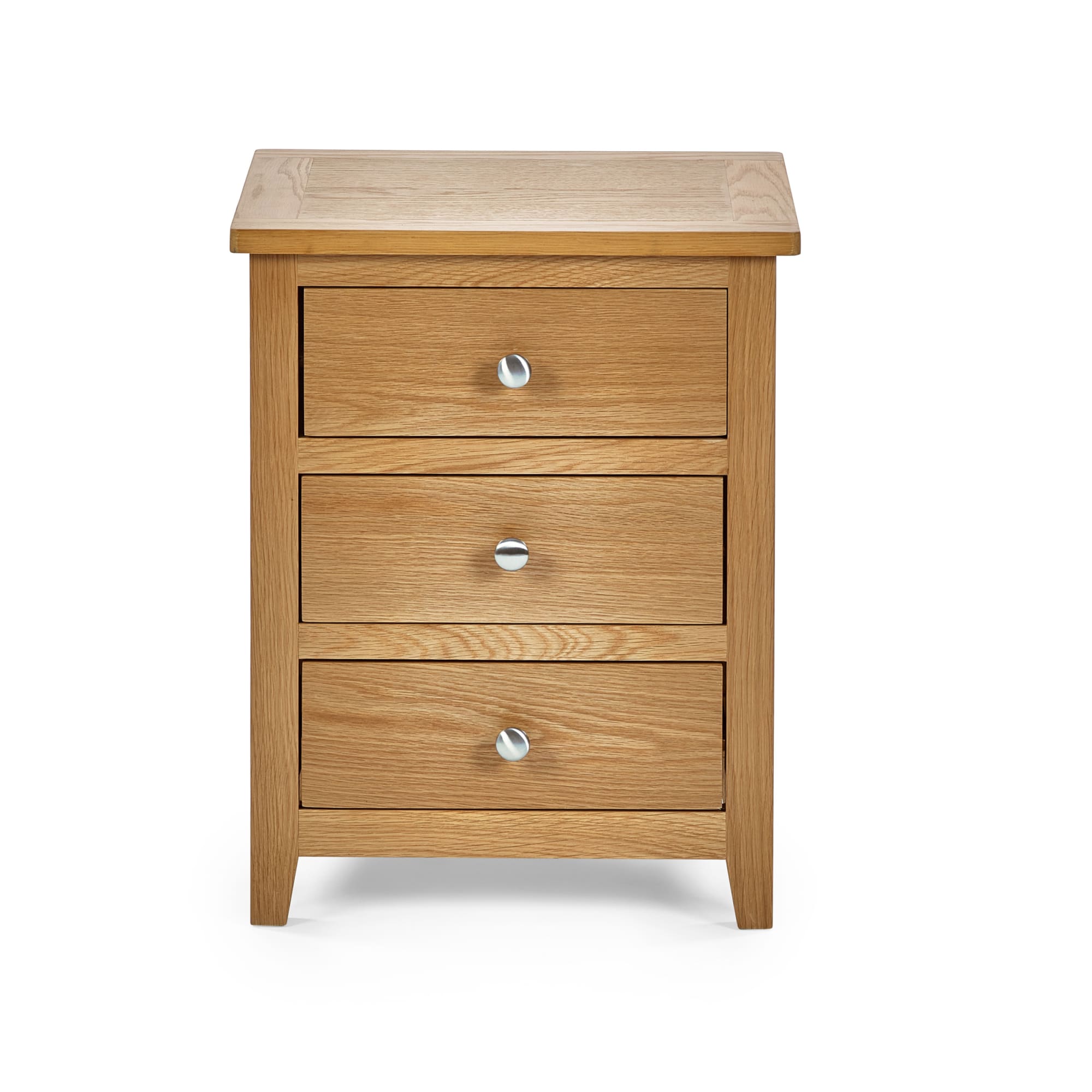
A bedside table is the most frequently reached-for piece of furniture in any bedroom and the one whose height, storage configuration, and finish most visibly shapes how the space around the bed feels. Chosen well, a pair of bedside tables frames the bed, balances the room, and puts everything you reach for at night and in the morning exactly where it needs to be. At Airedale Living, our bedside tables are available in drawer, open shelf, and combination configurations across oak, white, grey, and black finishes sized and specified for genuine daily use. Browse the full collection above and use the filters to find the right height, storage type, and finish for your bedroom. Free UK delivery is included on every order.

51 products

Choosing the Right Bedside Table: Height, Storage, and Finish

Most buyers choose a bedside table by looks and price — and then spend years reaching slightly too high or too low for their lamp, phone, or glass of water because the height doesn't match their mattress. Height is the most important bedside table specification and the most consistently overlooked one. Getting it right transforms the daily experience of the bedroom; getting it wrong creates friction that persists as long as the piece.

The right bedside table height. The ideal bedside table surface sits at the same level as the top of the mattress — or within 5cm above or below it. This means the correct bedside table height depends on the combined height of your bed frame and mattress. A standard bed frame sits at 30–40cm from floor to slat surface; add the mattress depth (typically 20–30cm for an adult mattress) and the total mattress surface height is usually 50–70cm from the floor. A bedside table in the 50–65cm height range suits most standard double and king size beds with a medium-depth mattress. If your bed is lower (a platform bed or low-profile frame) or your mattress is particularly deep (a luxury thick mattress), adjust accordingly. Measure from the floor to your mattress surface before ordering.

Storage type. Bedside tables are available with drawers, open shelves, or a combination of both. A drawer bedside table keeps items out of sight — better for rooms where a tidy, uncluttered look is the priority, and for storing items (medications, reading glasses, charging cables) that benefit from being enclosed rather than visible. An open shelf bedside table keeps items accessible and visible — better for books, water bottles, and items reached for frequently without needing to open a drawer. A combination bedside table with a drawer above and an open shelf below is the most flexible configuration for most households.

Bedside Table Types: Which Configuration Suits Your Habits?

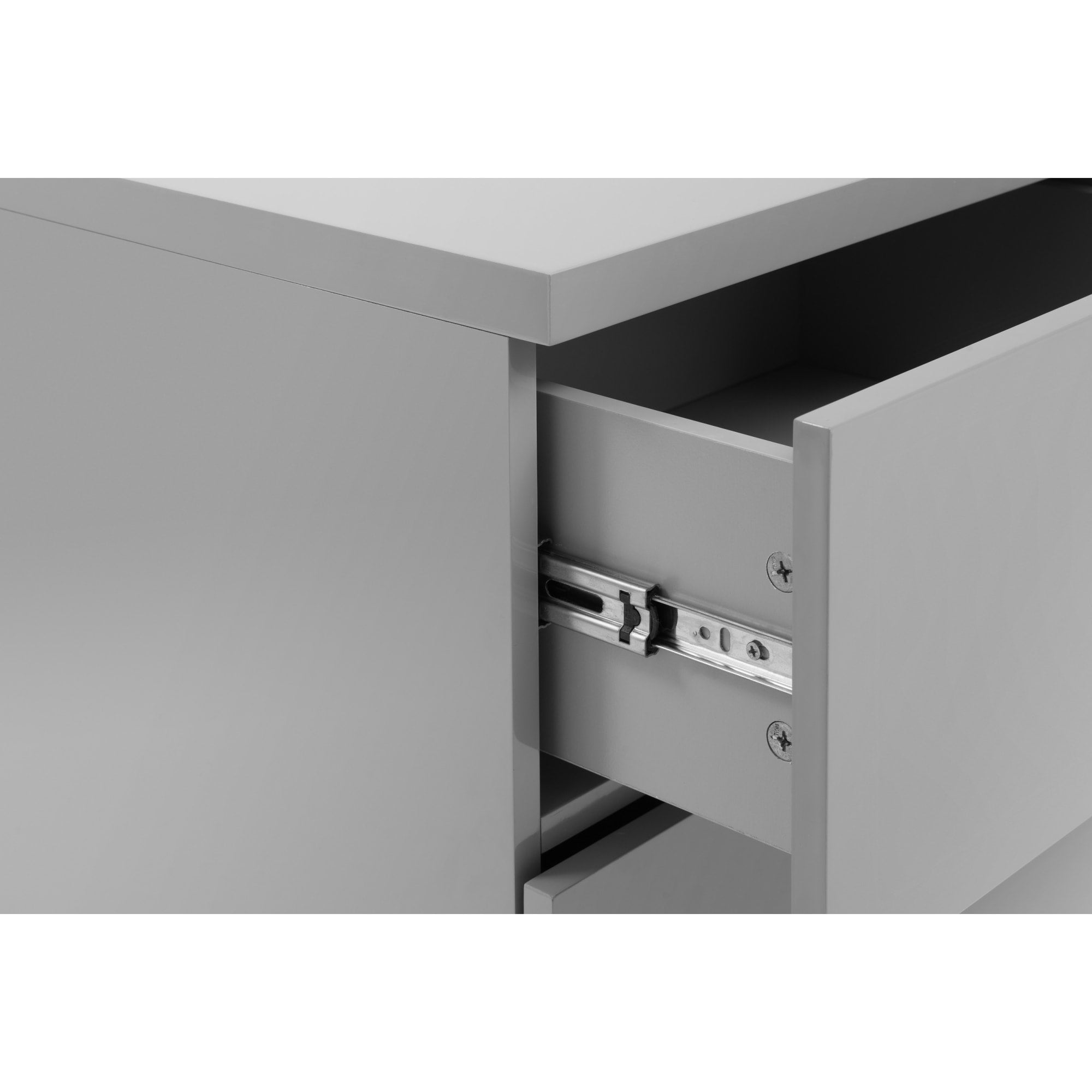
Bedside table with drawer. The most popular configuration — a single drawer beneath the table surface for enclosed storage. Suits households where bedside clutter is a consideration and items benefit from being stored out of sight: medications, earplugs, reading glasses, small electronics, and the accumulation of small items that a bedroom surface tends to collect. A drawer also provides a discreet space for charging cables — threading the cable through the drawer or a cable management hole in the back allows devices to charge overnight without the cable being visible on the surface. Check individual product pages for drawer depth and whether cable management is included.
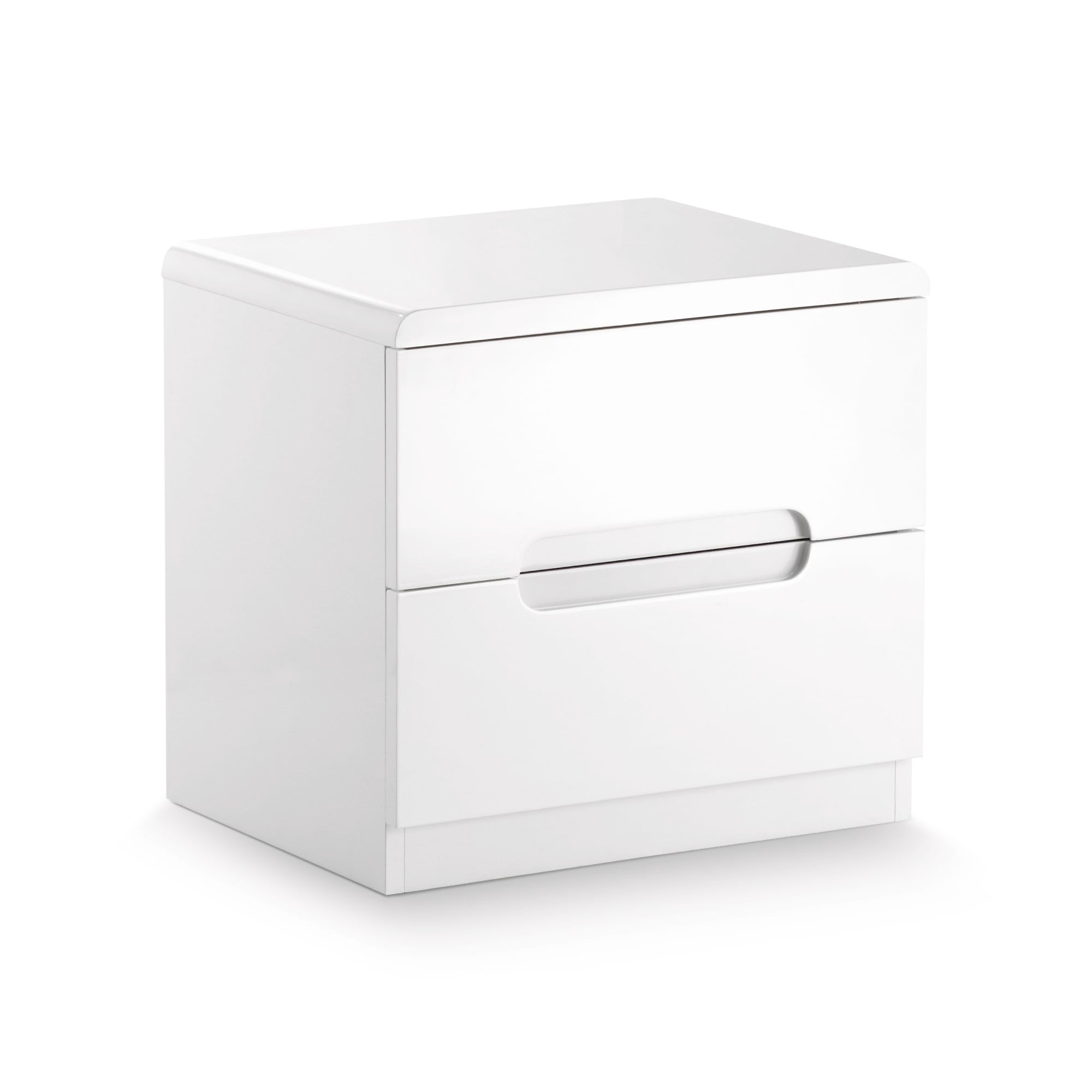
Bedside table with open shelf. An open lower level beneath the surface — accessible without opening a drawer, making it more practical for frequently used items like books, a water bottle, or a phone on wireless charge. Open shelf bedside tables suit minimalist and Scandi-inspired bedrooms where a visible, curated arrangement of objects is part of the room's aesthetic. The trade-off is that an open shelf requires conscious effort to keep looking considered — items placed on it are always visible.

Bedside table with drawer and open shelf. The combination of a drawer above the floor level and an open shelf below provides both enclosed storage for items better hidden and accessible storage for items reached for regularly. This is the most practical configuration for most households and suits bedrooms where the bedside serves multiple daily functions — reading, charging, water, medication, and the small items that naturally accumulate bedside.

Floating bedside table. Wall-mounted rather than freestanding, a floating bedside table sits at exactly the height you specify at installation — making it possible to match the mattress surface precisely regardless of bed height. It also leaves the floor entirely clear beneath it, which creates a sense of more floor space and makes cleaning around the bed simpler. The trade-off is the installation requirement and the fact that it can't be repositioned without wall patching.

Sizing, Pairing, and Coordination: Getting the Details Right

Sizing the bedside table to the bed. A bedside table should be proportionate to the bed it sits beside. A standard 2-drawer bedside table of 45–55cm wide suits a double bed well. Alongside a king size bed with a wide headboard, a slightly wider or taller bedside table reads better in proportion. For a single bed in a guest room or child's bedroom, a compact narrow bedside table of 35–45cm wide is more appropriate — a full-size bedside table beside a single bed looks disproportionate.

Buying two matching bedside tables. For a shared double or king size bedroom, two matching bedside tables create the visual symmetry that frames the bed and makes the room feel resolved. This is one of the most impactful bedroom improvements available for a relatively modest cost — two mismatched side tables pull a bedroom arrangement apart in a way that's immediately visible. If matching bedside tables from the same collection are available alongside a wardrobe and chest of drawers in the same finish, this is almost always the most coherent bedroom furniture approach.

Finish coordination. A bedside table in the same finish as the chest of drawers and wardrobe creates a consistent bedroom scheme. Pale oak bedside tables alongside oak storage furniture and a warm-white or neutral bed frame is the most popular contemporary bedroom combination. White bedside tables suit minimal and light-maximising schemes. Grey suits contemporary rooms with upholstered bed frames. Black suits high-contrast bedrooms and coordinated dark-finish furniture arrangements.

Surface area. The bedside table surface needs to accommodate — at minimum — a lamp, a phone or device, and a glass of water simultaneously without feeling crowded. A surface of at least 40cm × 40cm handles this comfortably. Narrower surfaces (30cm × 30cm) suit compact rooms or single-use bedside tables where only a lamp is needed, but feel limited in practice for most daily users.

Completing the Bedroom with the Right Pieces

Bedside tables are most effective when chosen alongside the other main bedroom pieces rather than after the rest of the room is already furnished. A bedside table selected to coordinate with the wardrobe, chest of drawers, and bed frame creates a bedroom that feels genuinely resolved — all the pieces working together rather than existing alongside each other.

For a primary bedroom, a dressing table alongside a coordinating bedside table completes the surface arrangement — providing both the bedside functionality and a dedicated getting-ready space. Browse the full bedroom furniture collection to plan the complete room and compare finishes across all bedroom categories simultaneously.

Every Airedale Living bedside table comes with free UK delivery and arrives ready for self-assembly with all fixings and instructions included.

Browse the full bedside table collection above — and find the piece that makes the space beside your bed work properly.

Frequently Asked Questions

The ideal bedside table surface height sits level with the top of your mattress, or within 5cm above or below it. To find the right height: measure from the floor to the top surface of your mattress (bed frame height plus mattress depth combined). Most standard bed and mattress combinations produce a mattress surface height of 50–70cm from the floor. A bedside table in the 50–65cm height range suits most adults in standard double or king size beds. If your bed is particularly low (a platform frame) or your mattress is especially deep, measure your specific mattress surface height before ordering.

A standard bedside table of 45–55cm wide and 40–50cm deep suits most double and king size beds well. The surface should be large enough to hold a lamp, a phone, and a glass of water simultaneously without feeling crowded — 40cm × 40cm is a practical minimum. For a single bed in a guest room or child's bedroom, a compact 35–45cm wide bedside table is more proportionate. For a king size bed with a wide headboard, a slightly larger or taller bedside table reads better in proportion. Allow at least 5–10cm of clearance between the bedside table and any adjacent wall.

For a shared double or king size bedroom, matching bedside tables on each side of the bed create the visual symmetry that frames the bed and makes the room feel properly composed. Two mismatched side tables — different heights, different finishes, different styles — are one of the most visible indicators that a bedroom hasn't been fully considered. Matching bedside tables from the same collection, coordinated with the chest of drawers and wardrobe in the same finish, is almost always the most effective bedroom furniture approach.

It depends on what you keep bedside. If you primarily use the bedside surface for a lamp and a glass of water, an open surface or open shelf may be adequate. If you keep medications, reading glasses, earplugs, or charging cables bedside — items that benefit from being enclosed rather than visible — a drawer provides more practical daily value than an open surface. A combination bedside table with a drawer and an open shelf is the most flexible option for most households, providing enclosed storage for smaller items and accessible open storage for books and regularly reached-for items.

Choose a bedside table in the same finish as your wardrobe and chest of drawers — this creates a consistent bedroom scheme that feels considered rather than assembled. Pale oak bedside tables alongside oak storage furniture and a warm-white bed frame is the most popular contemporary combination. White suits minimal and light-maximising rooms. Grey coordinates naturally with upholstered grey bed frames. Black suits high-contrast bedrooms. You don't need an exact match — pieces in closely related finish tones create coherence without the slightly corporate effect of everything being identical. Browse the full bedroom furniture collection to compare finishes across all categories at once.