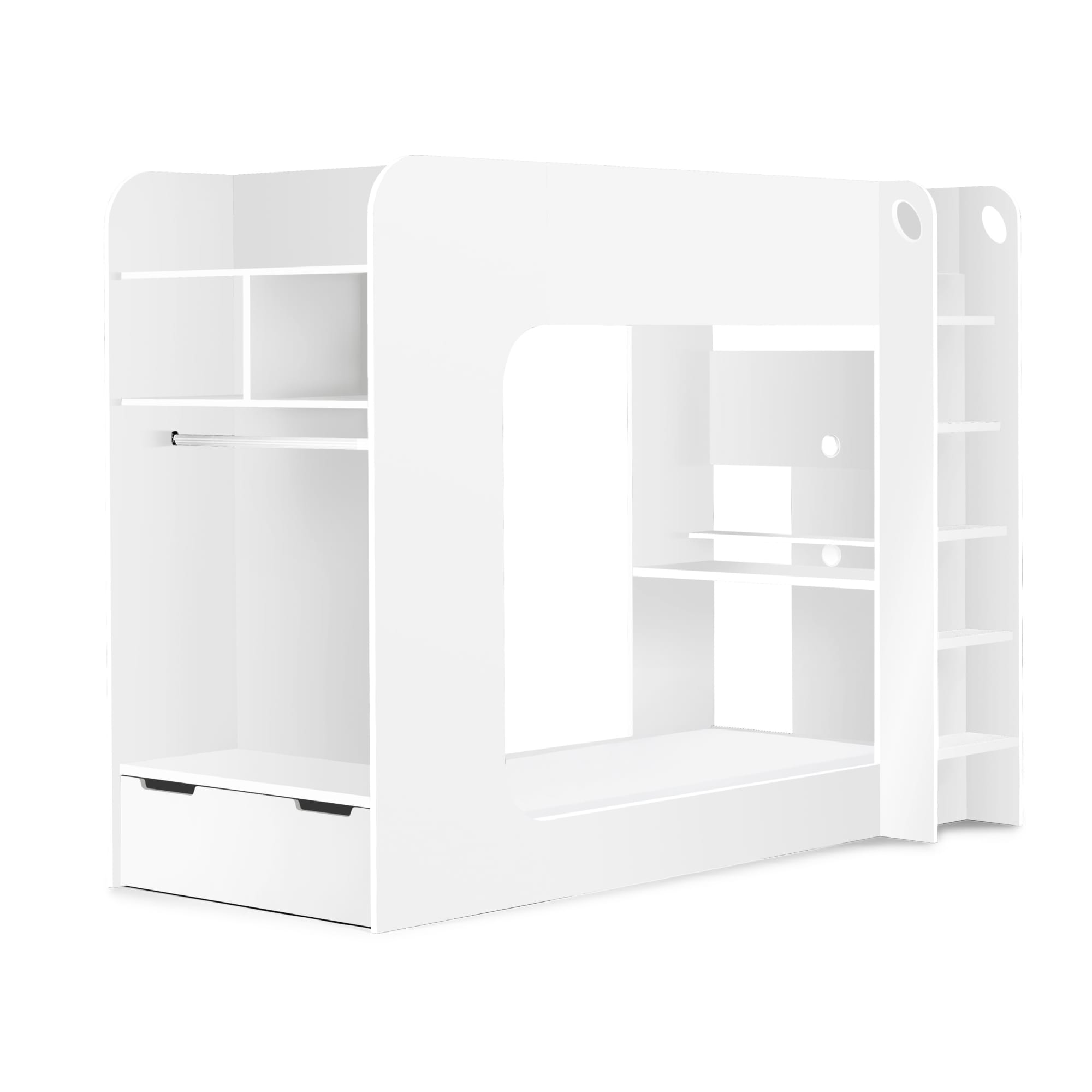
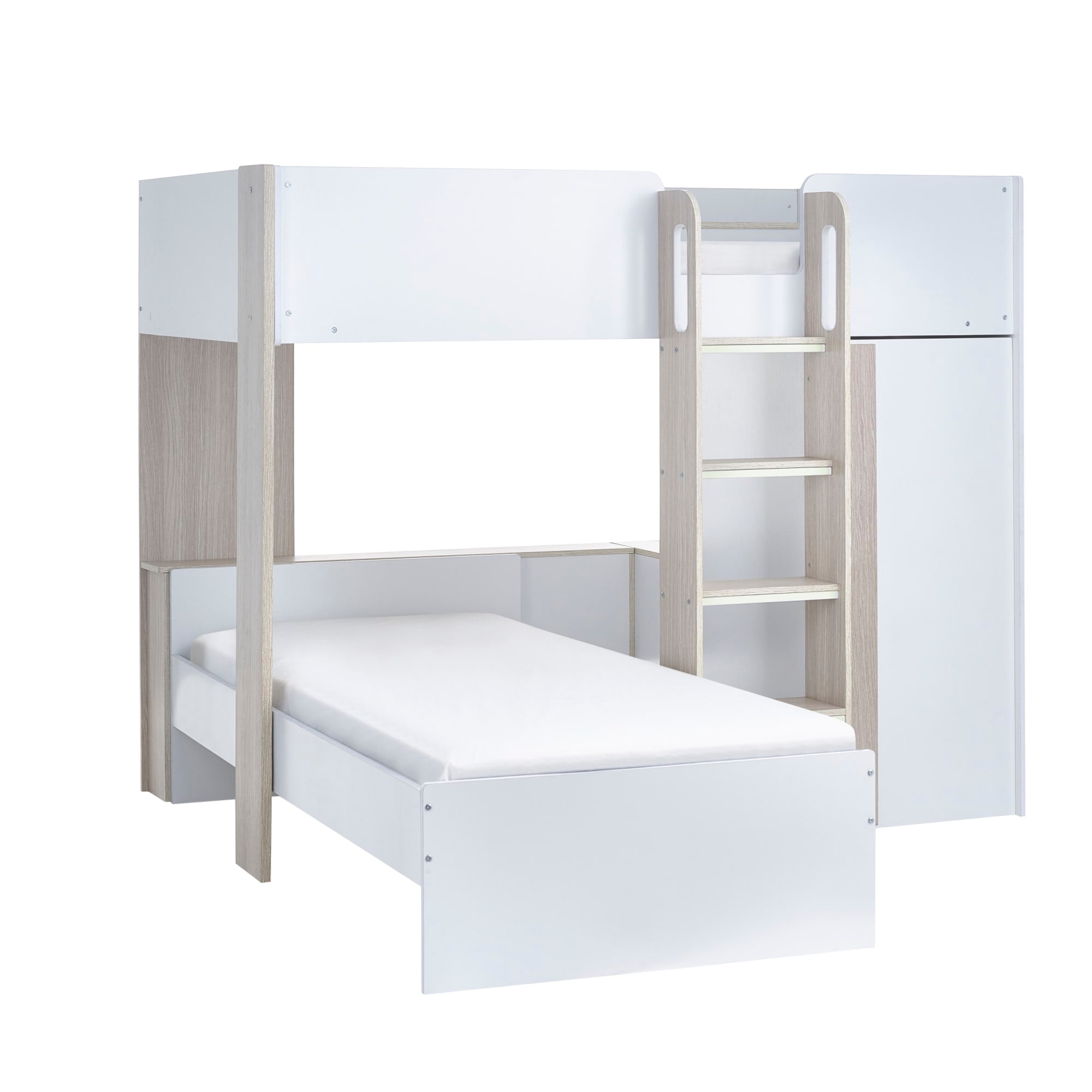
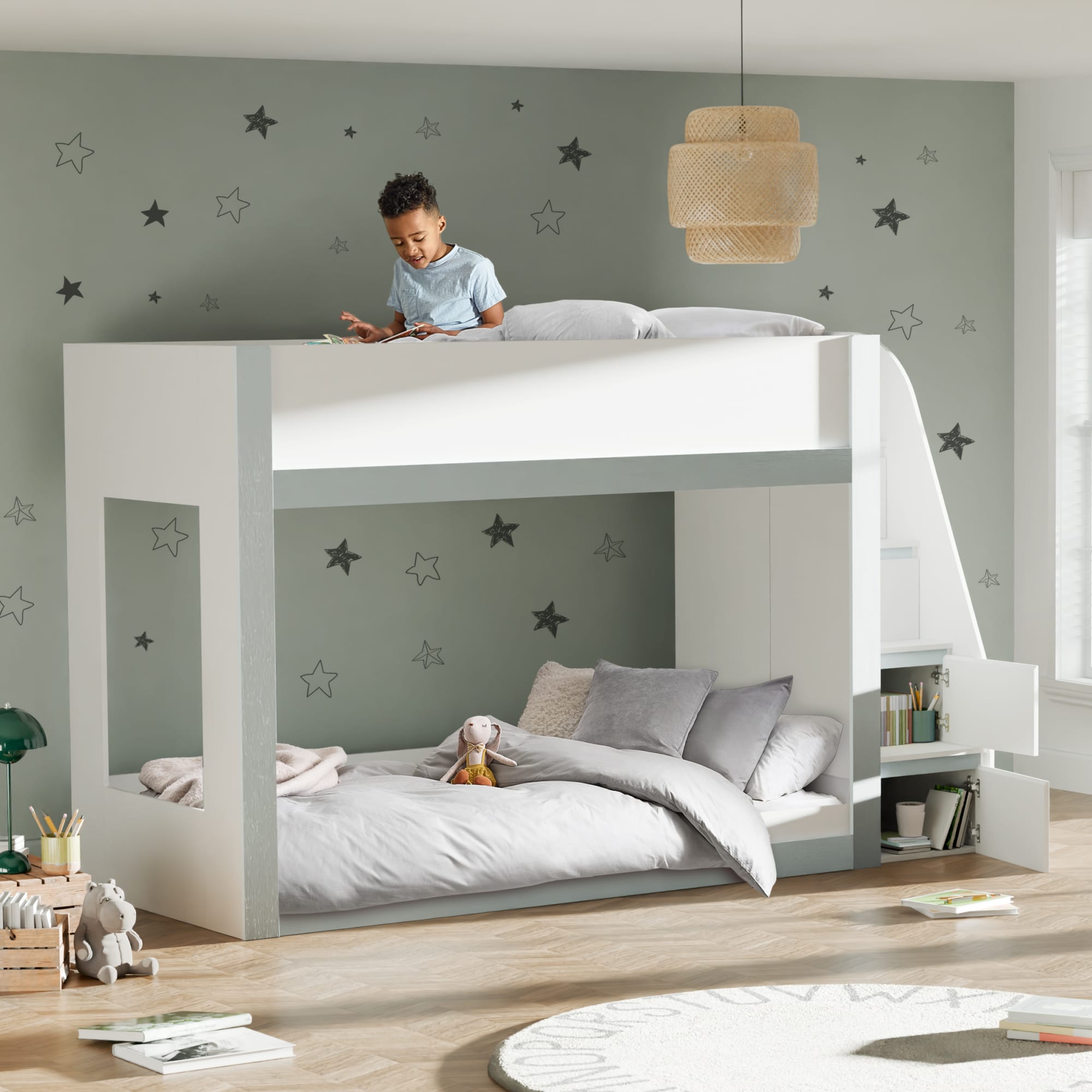
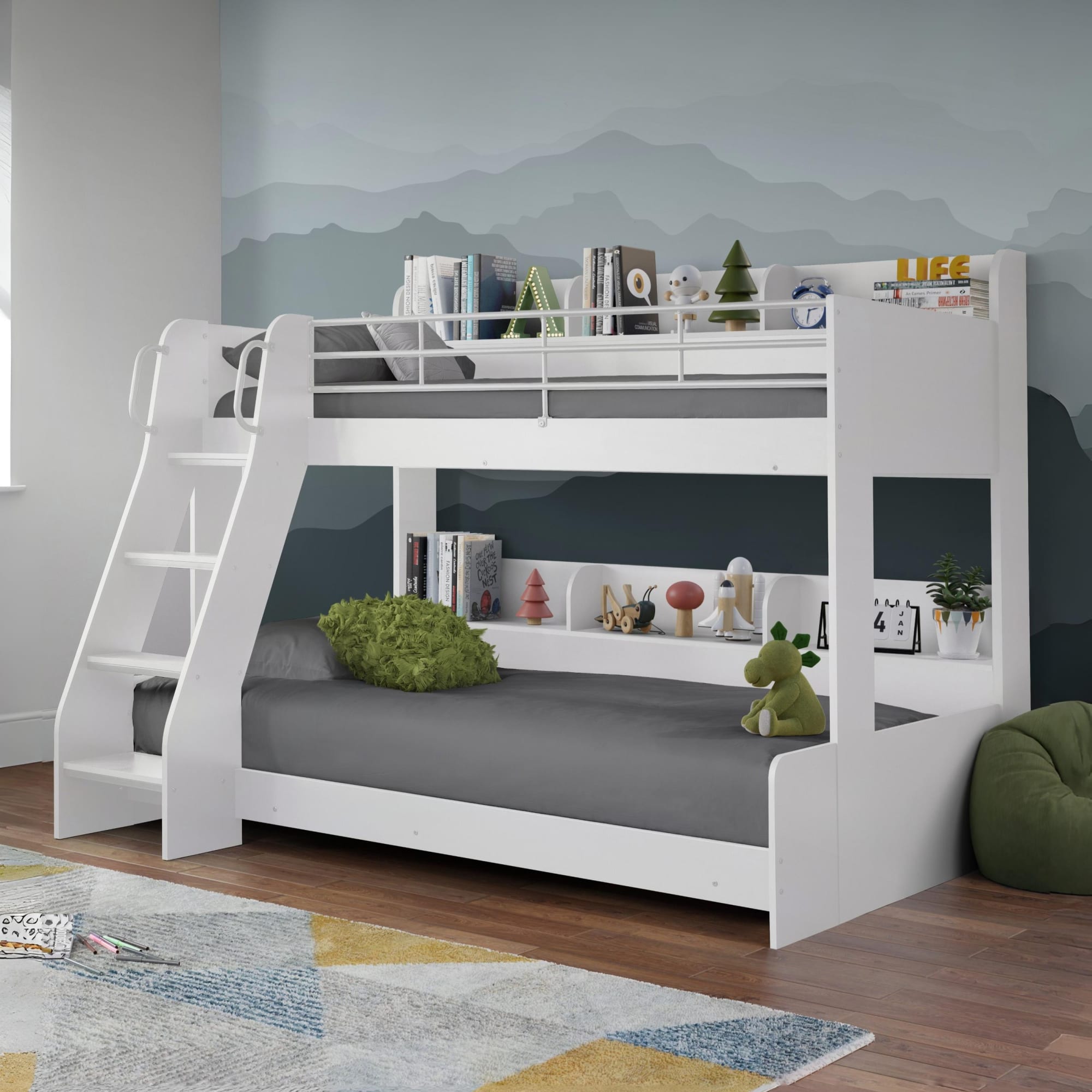
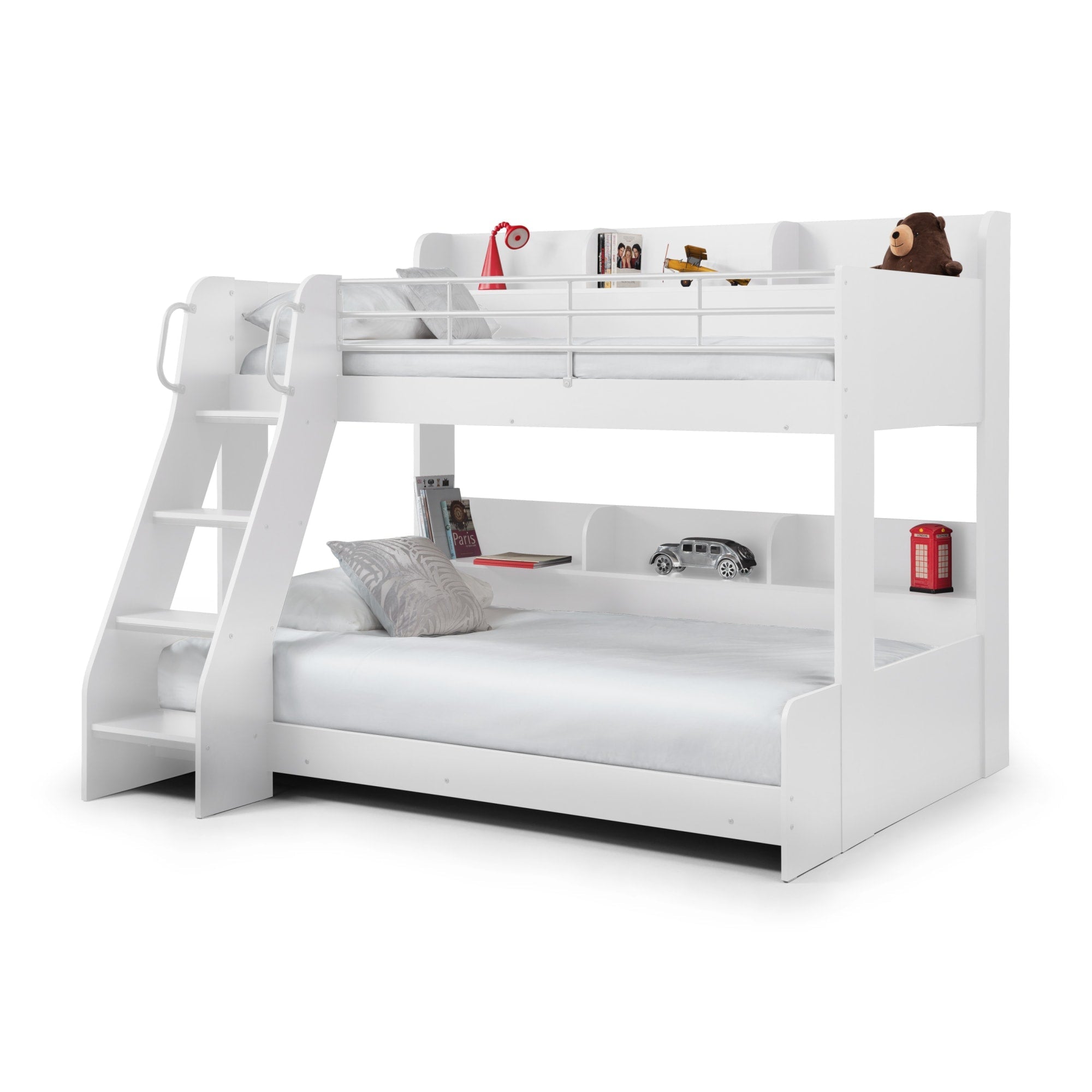
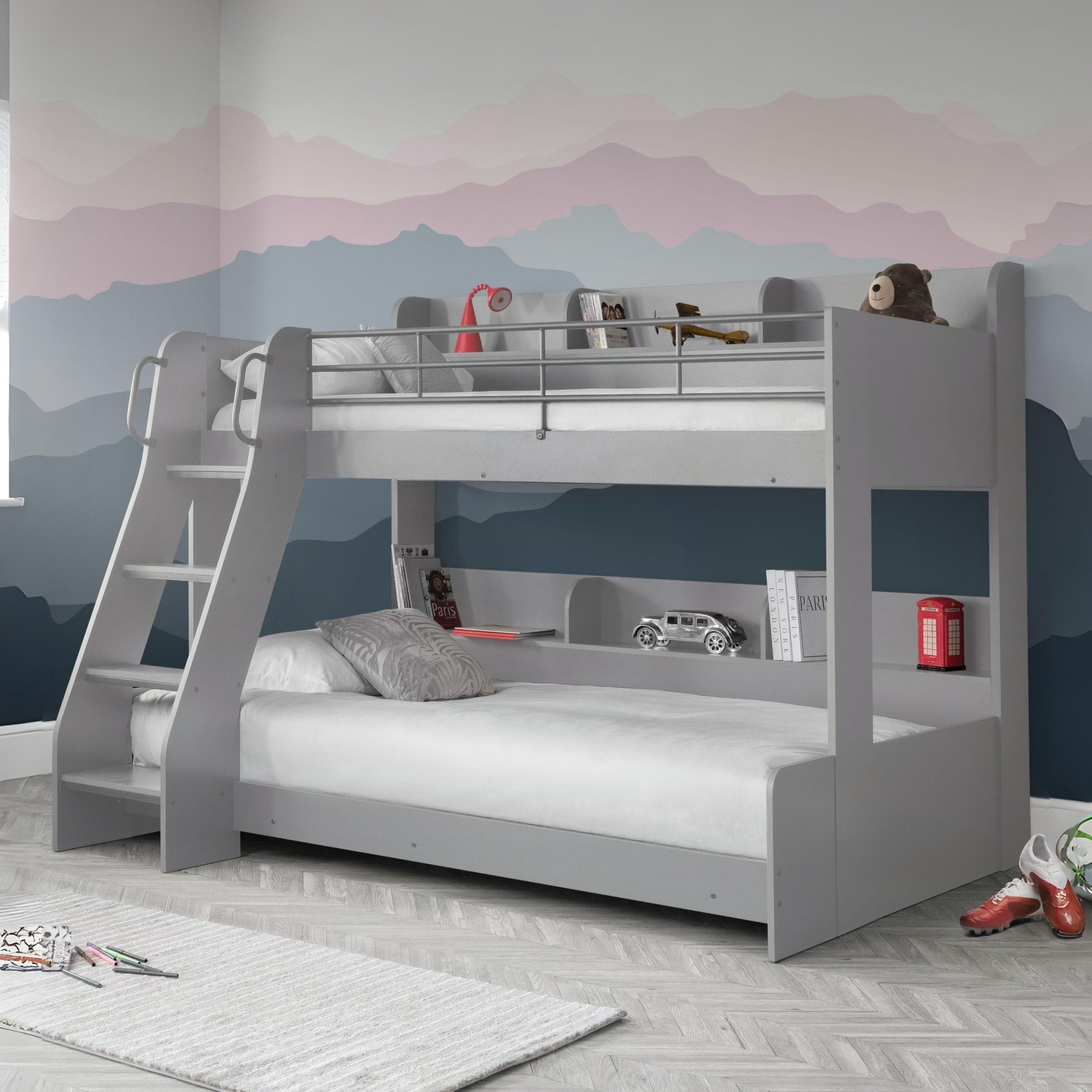
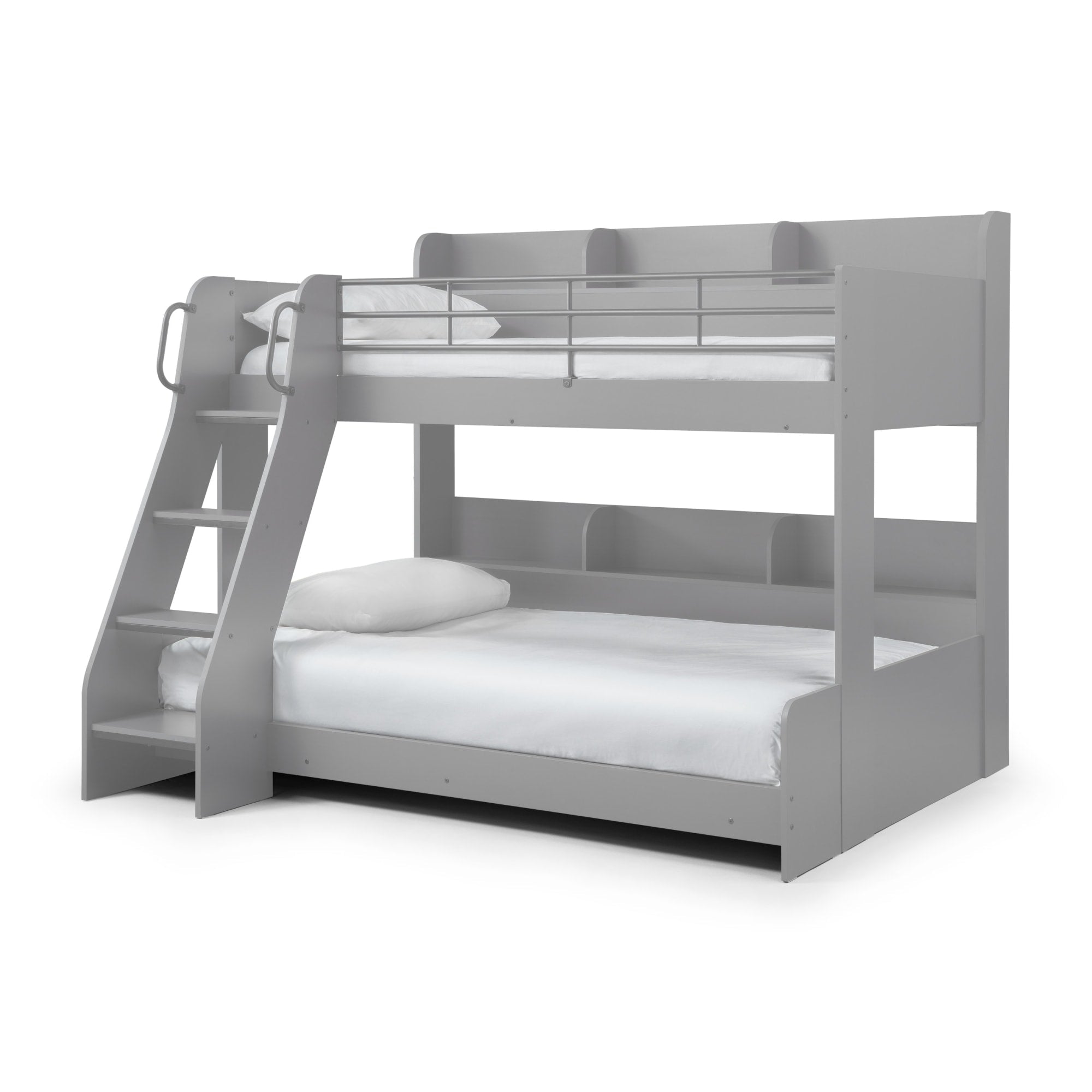
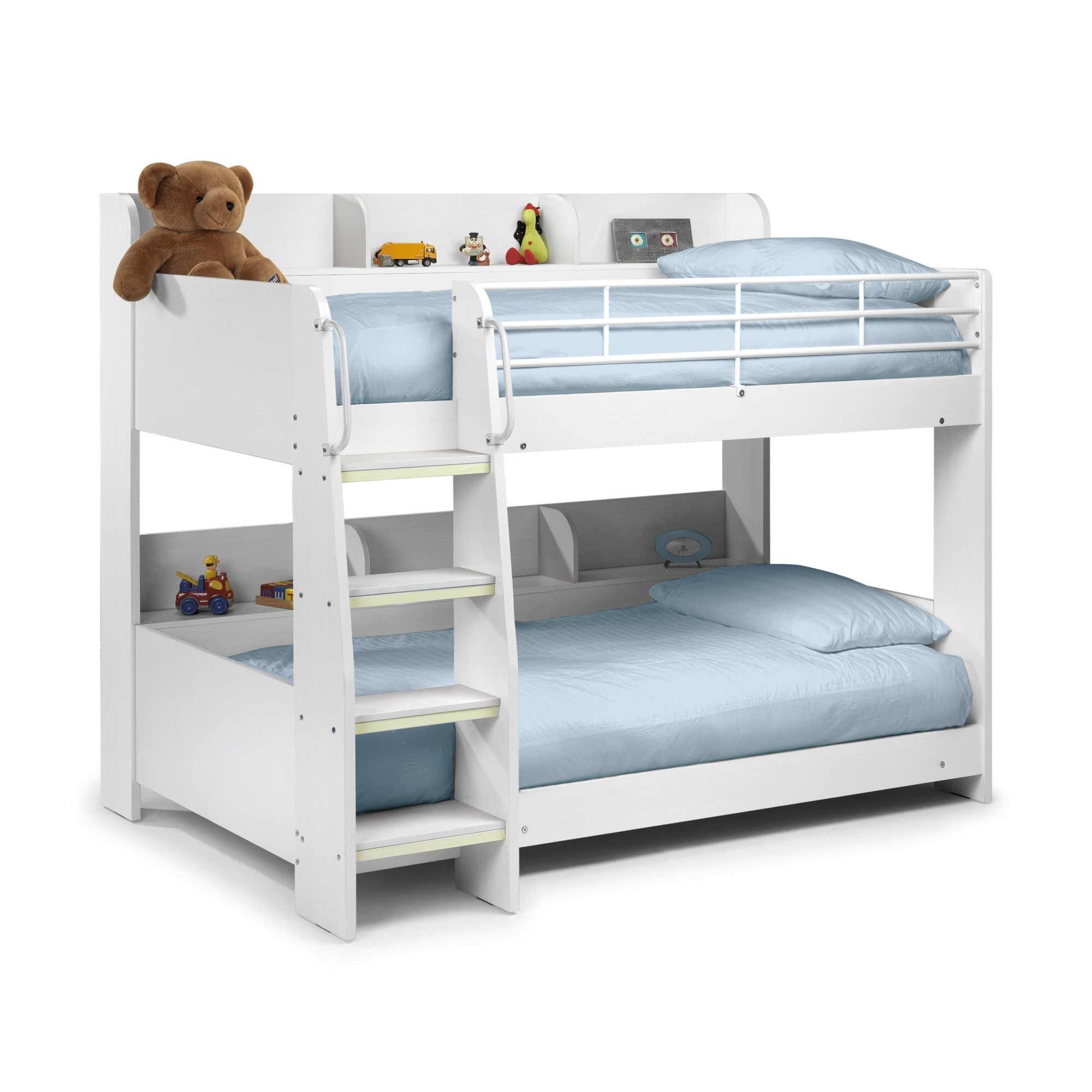
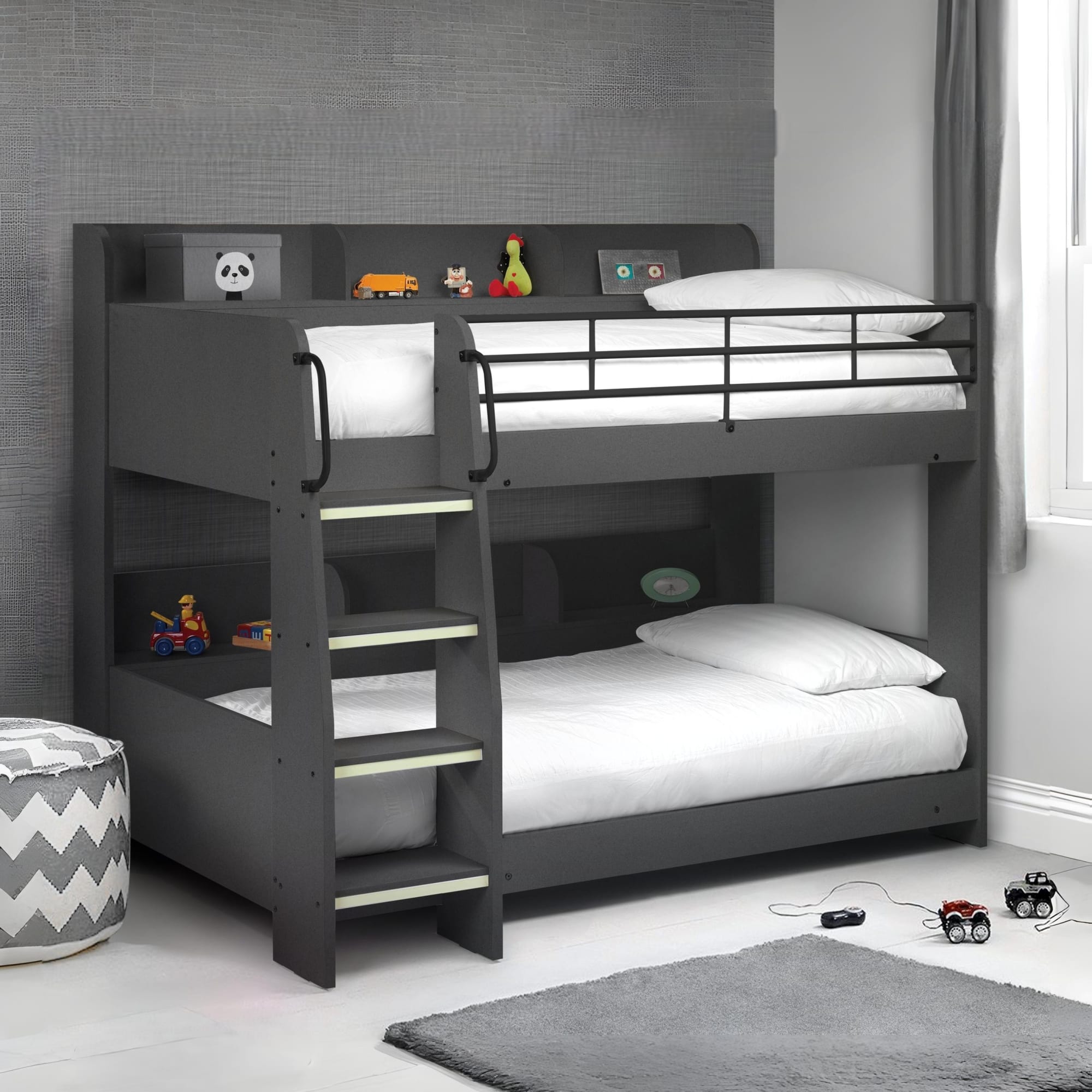
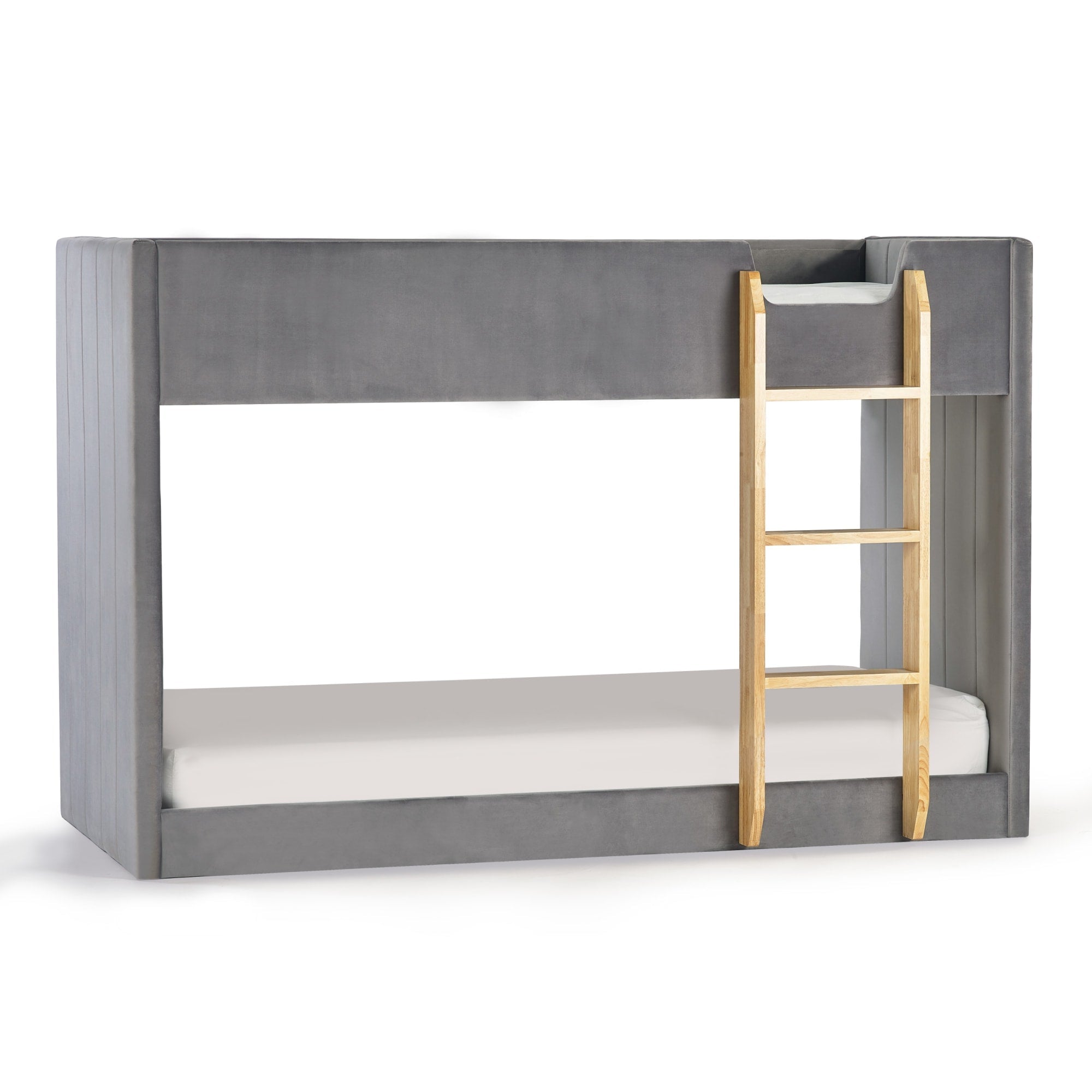
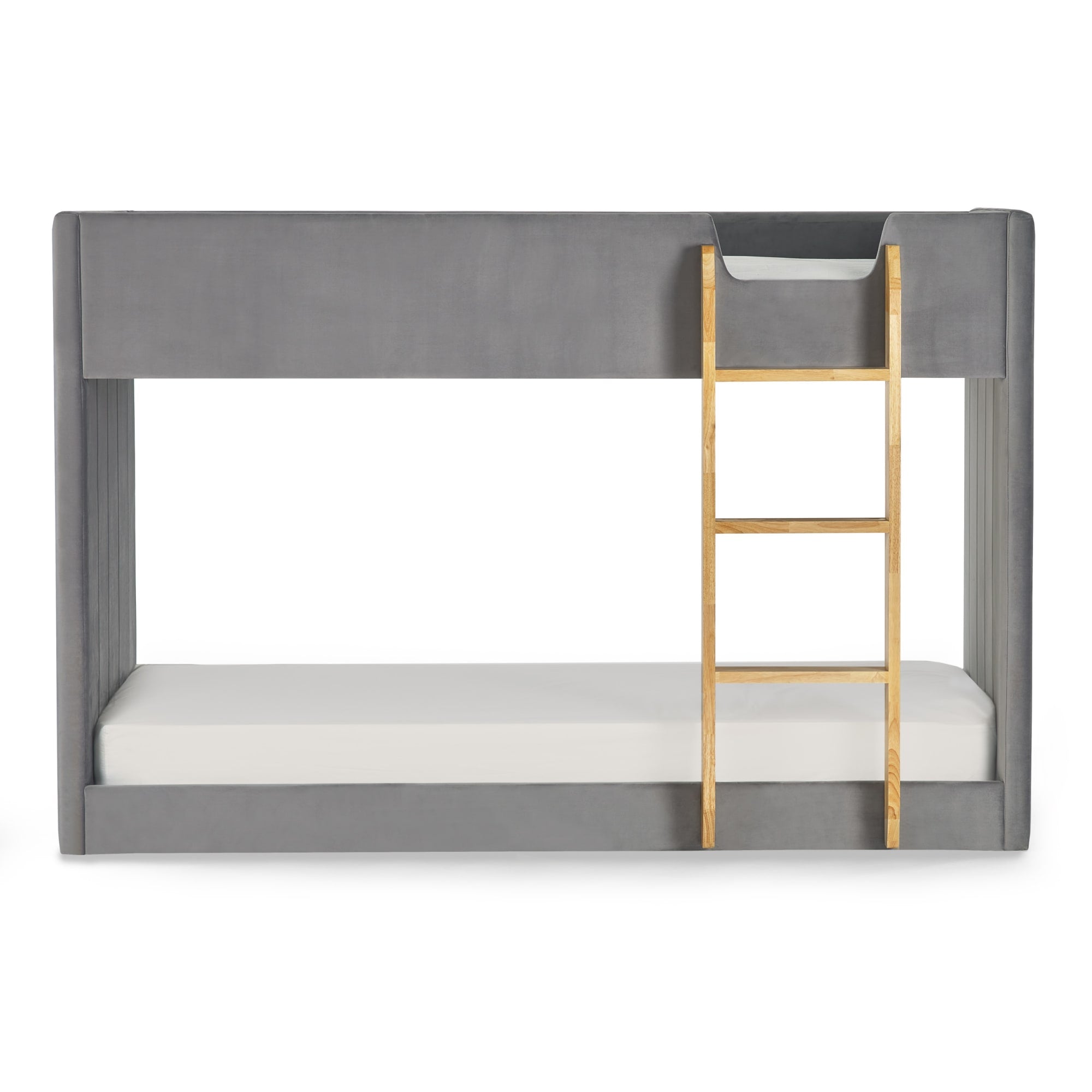
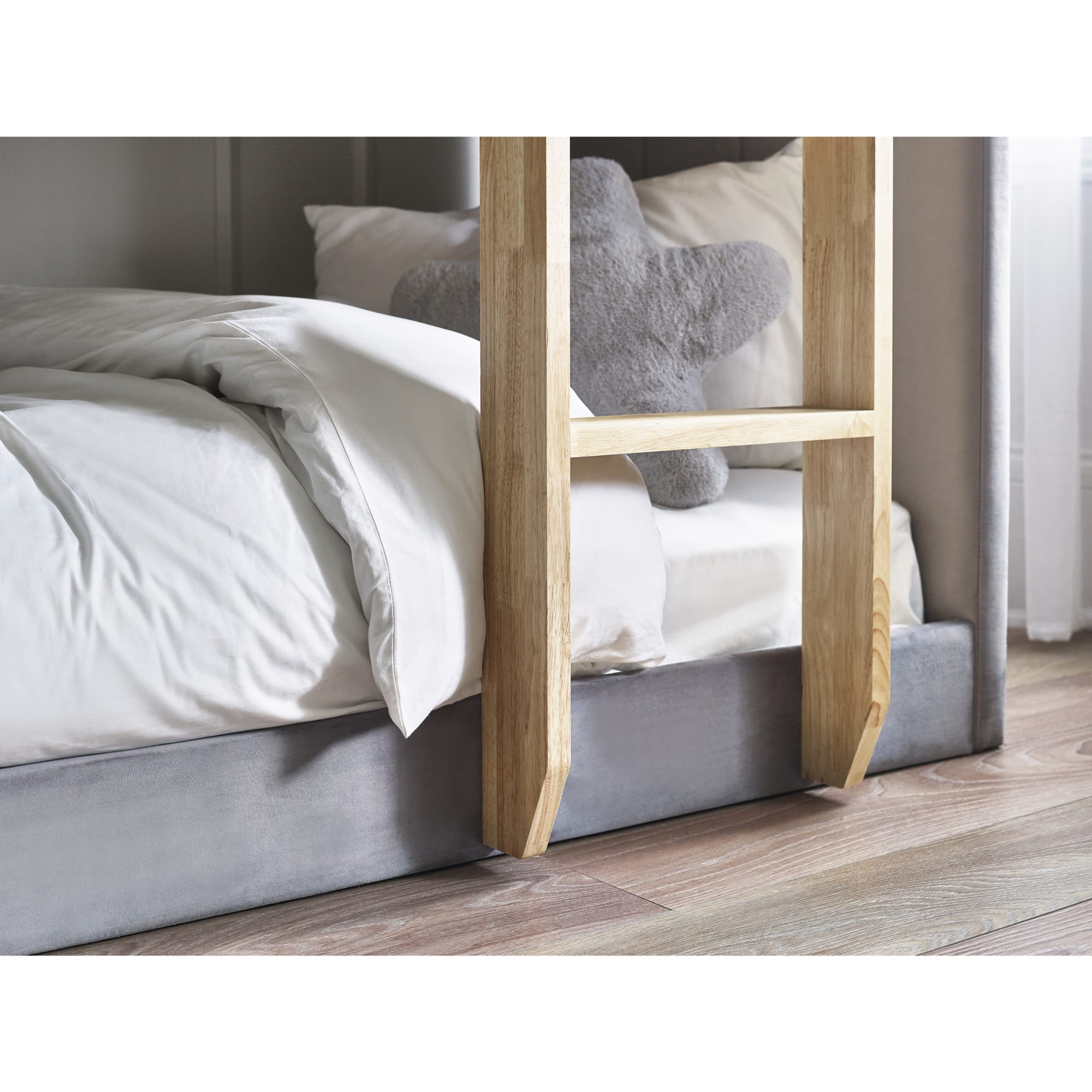
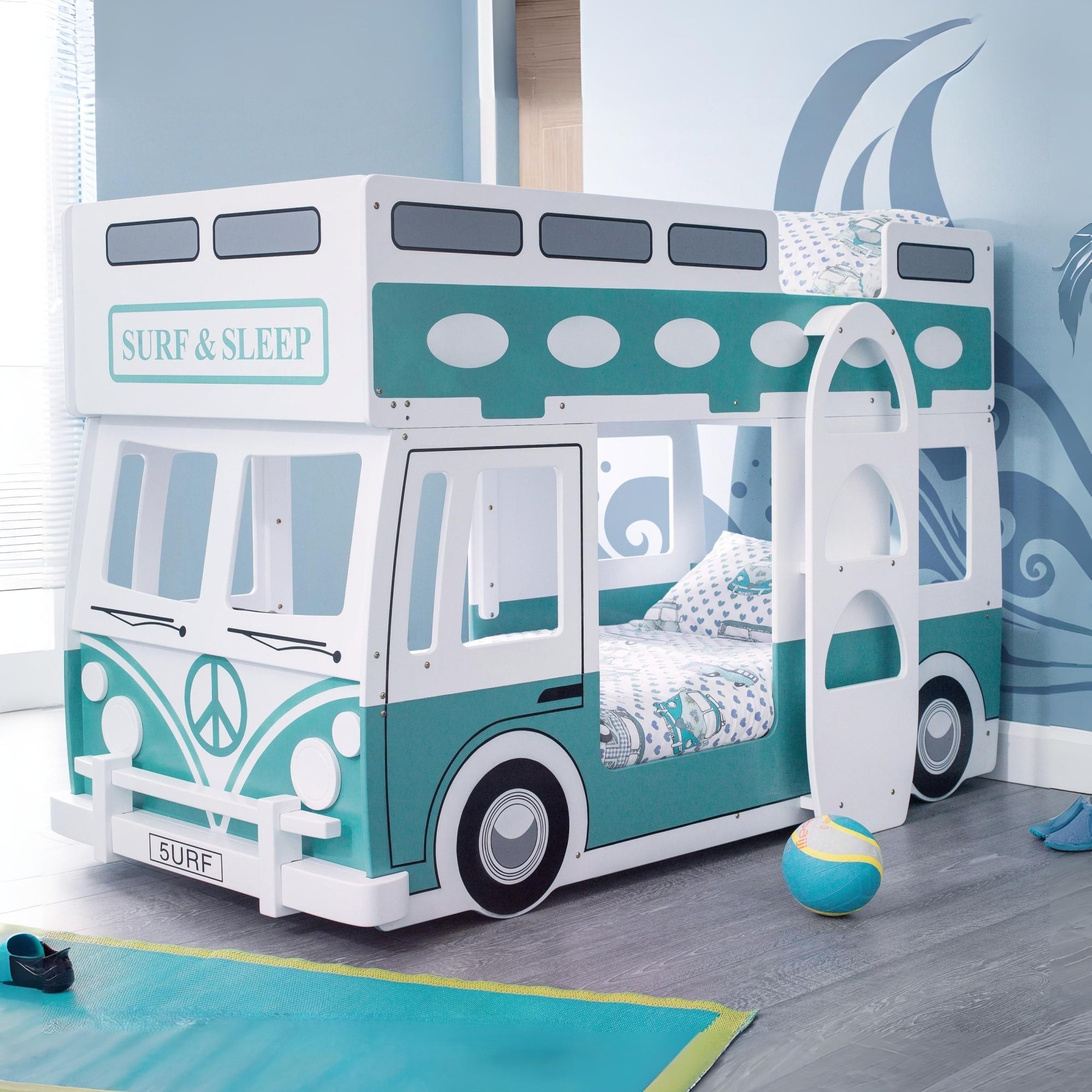
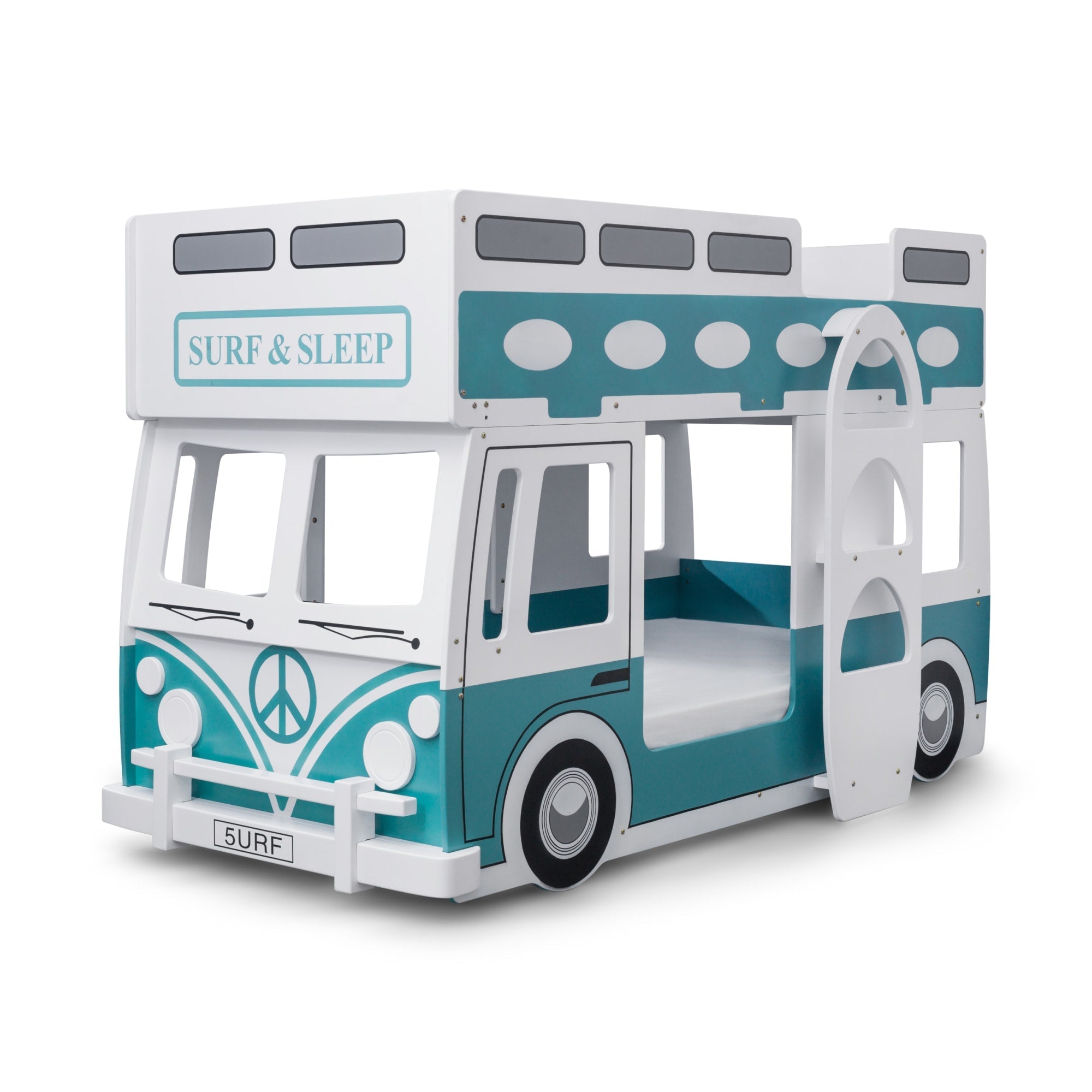
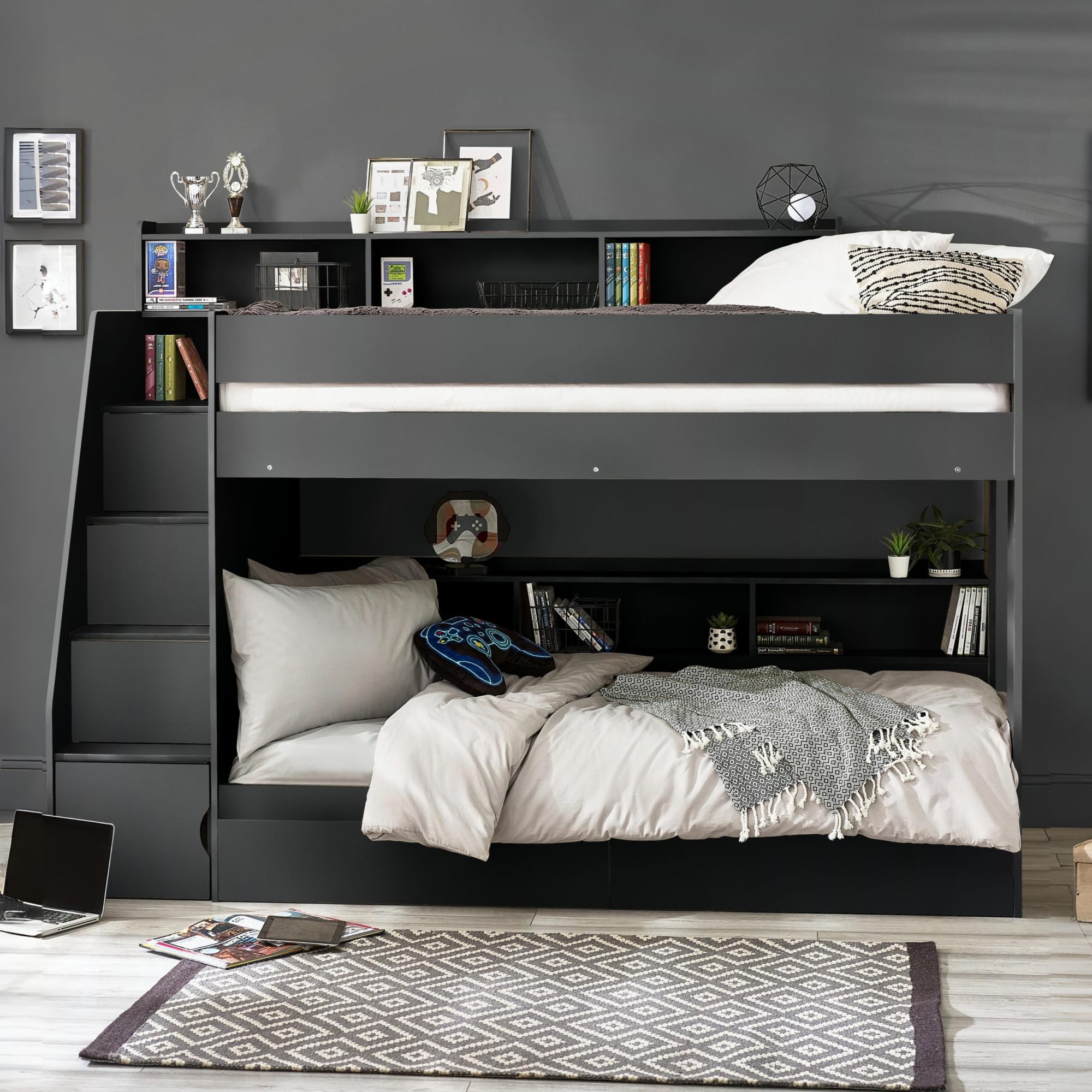
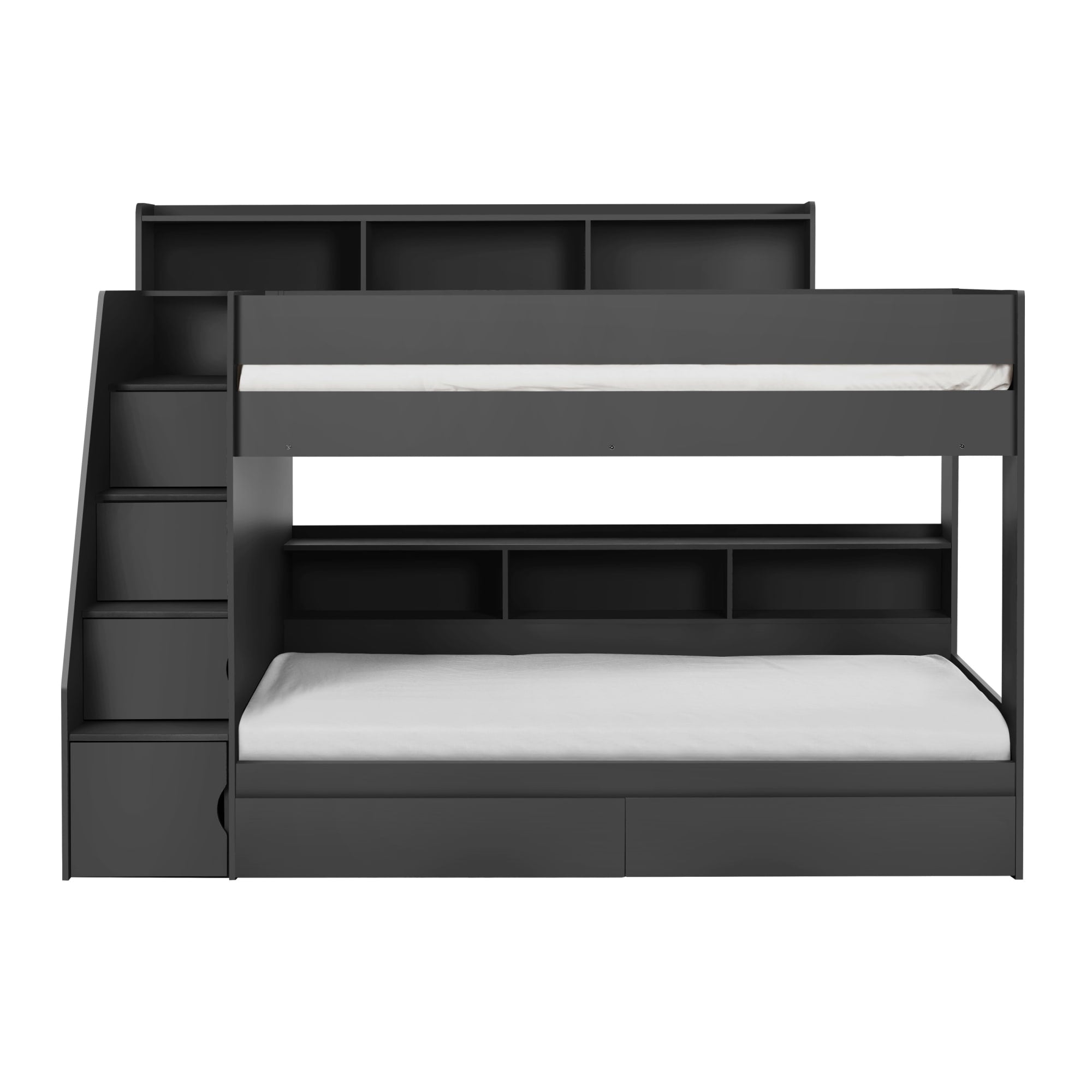
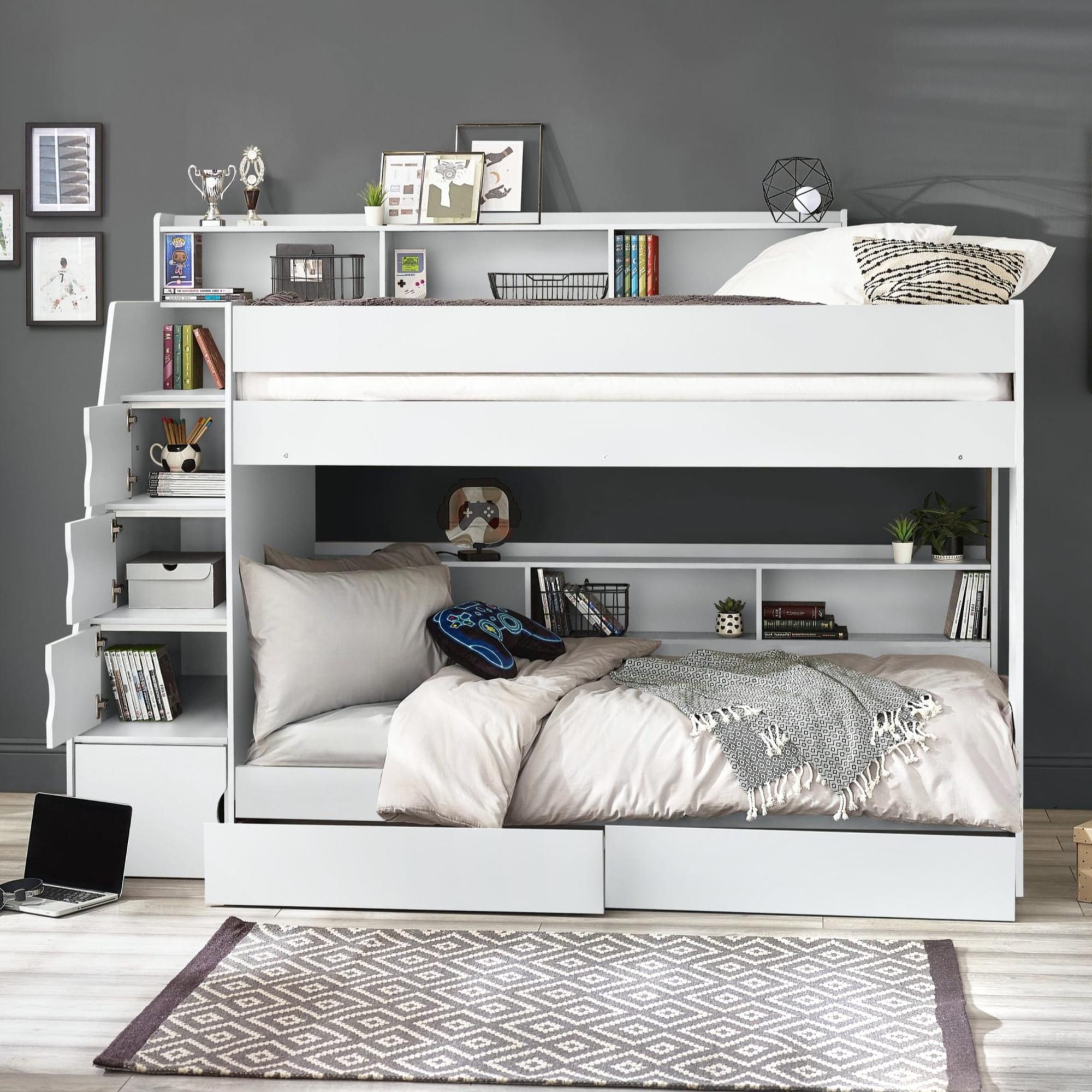
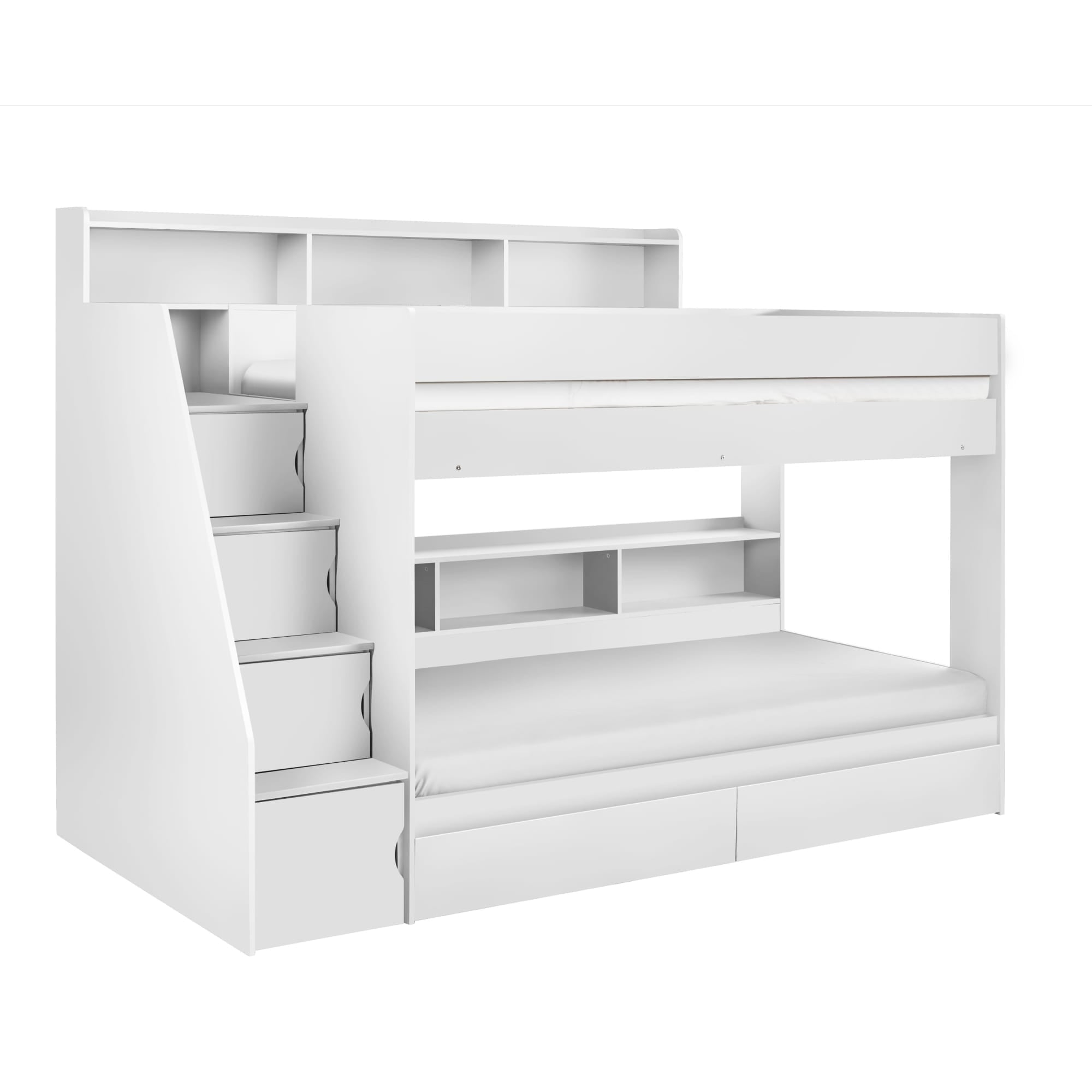
A bunk bed is the most space-efficient way to provide two permanent sleeping surfaces in a single bedroom and for families with two children sharing, or a child who regularly has friends to stay, it's one of the most genuinely useful furniture purchases available. Two sleeping spaces in the footprint of one single bed: the floor area saved is substantial and, in a children's bedroom, immediately useful as play space. At Airedale Living, our bunk beds are available across standard single-over-single, L-shape, and storage configurations in wooden and metal finishes, built to UK safety standard EN-747 with guardrails and secure ladders as standard. Browse the full collection above and pair each bunk with a single mattress or a small single mattress for 75cm-width frames at a slim profile of 16cm or less for the top bunk. Free UK delivery is included on every order.

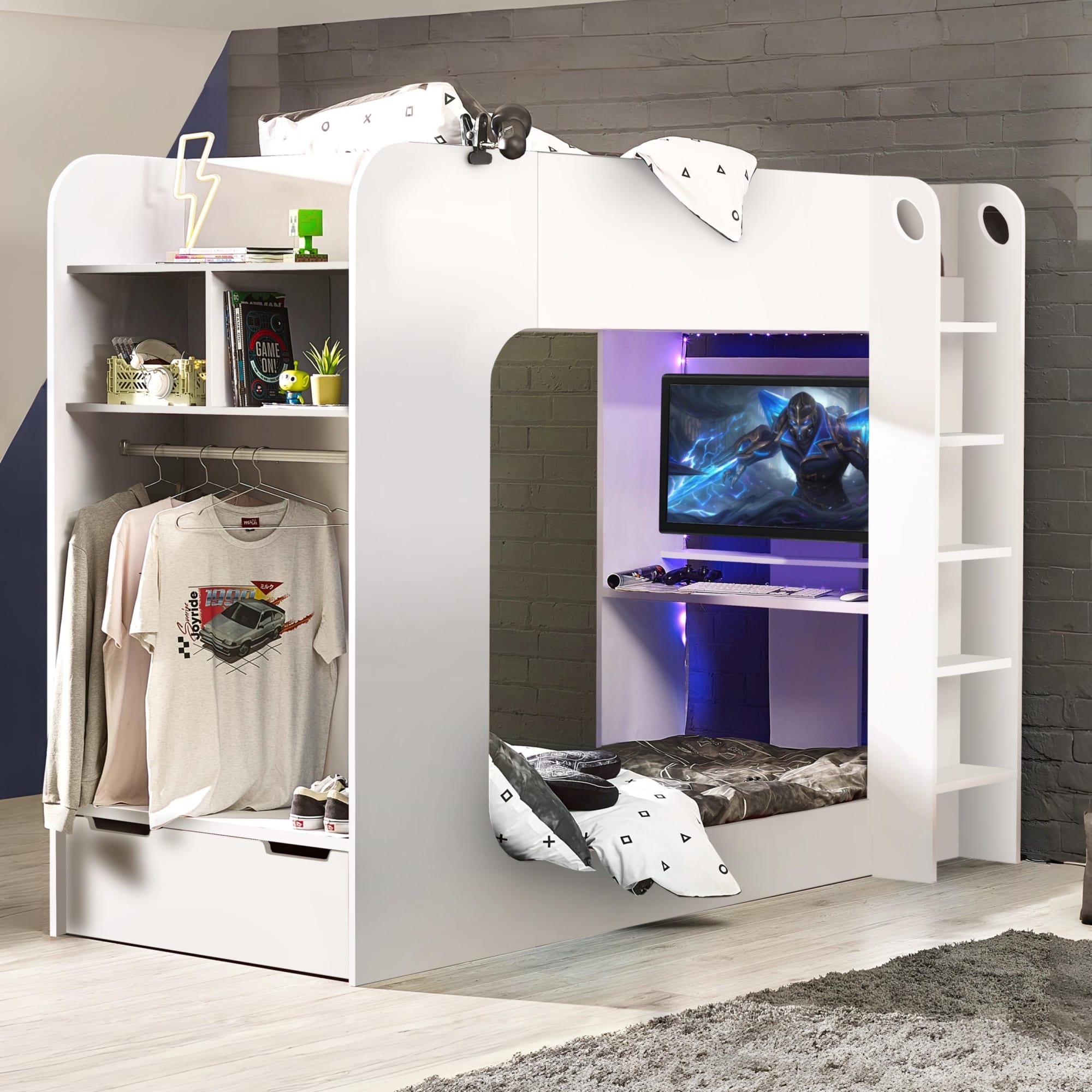
43 products

Daytona Bunk

£537.00

Bunk Beds: Choosing the Right Type, Age, and Specification

A bunk bed is a more complex purchase than a standard children's bed it involves a greater number of decisions, higher safety stakes, and more room planning considerations. Working through the key questions before browsing makes the choice significantly faster and the outcome significantly better.

The core decision: who is sleeping in the bunk and how? Bunk beds primarily suit two children sharing a bedroom — siblings of similar or different ages who each need a permanent sleeping surface. They also suit single children whose bedroom regularly serves as a sleepover space, where the lower bunk provides a guest sleeping surface without requiring a separate bed. The configuration you choose (single-over-single, L-shape, storage) and the age guidance you apply will depend on this primary use case.

The most important safety decision: top bunk age. The bottom bunk of a standard bunk bed is accessible and safe from around age 4 — the sleeping surface is low enough that getting in and out independently is manageable at this age, and a fall from the bottom bunk at typical heights carries limited injury risk. The top bunk is a different matter. The UK safety guidance for top bunks is age 6 as a minimum — when most children have the ladder confidence, spatial awareness, and night-time caution to navigate an elevated sleeping area safely. Below this age, even with guardrails, the height of a top bunk creates a fall risk that parents should not accept. Trust your assessment of your specific child's maturity over any generic age guideline — some six-year-olds are very ready, some are not.

Bunk Bed Types: What Each Configuration Actually Provides

Standard single-over-single bunk bed. The classic configuration — two single sleeping surfaces (90cm × 190cm each) stacked vertically, with a ladder on one end accessing the top bunk. This provides maximum sleeping capacity in the minimum floor footprint: two full single beds within the floor area of one. Most models can be separated into two freestanding single beds when the children reach an age where separate rooms or separate arrangements are preferred — worth checking on the individual product page if future separation is likely.

L-shape bunk beds. The two sleeping surfaces are arranged at right angles rather than stacked directly above each other — the top bunk runs perpendicular to the lower bunk, with the lower bunk extending out from one end of the upper. This configuration is useful in rooms where the ceiling height at one end is adequate for a top bunk but not across the full length of the room — attic rooms and rooms with sloped ceilings particularly. It also creates a more open feel beneath the top bunk and can provide desk or storage space in the void created by the offset arrangement.

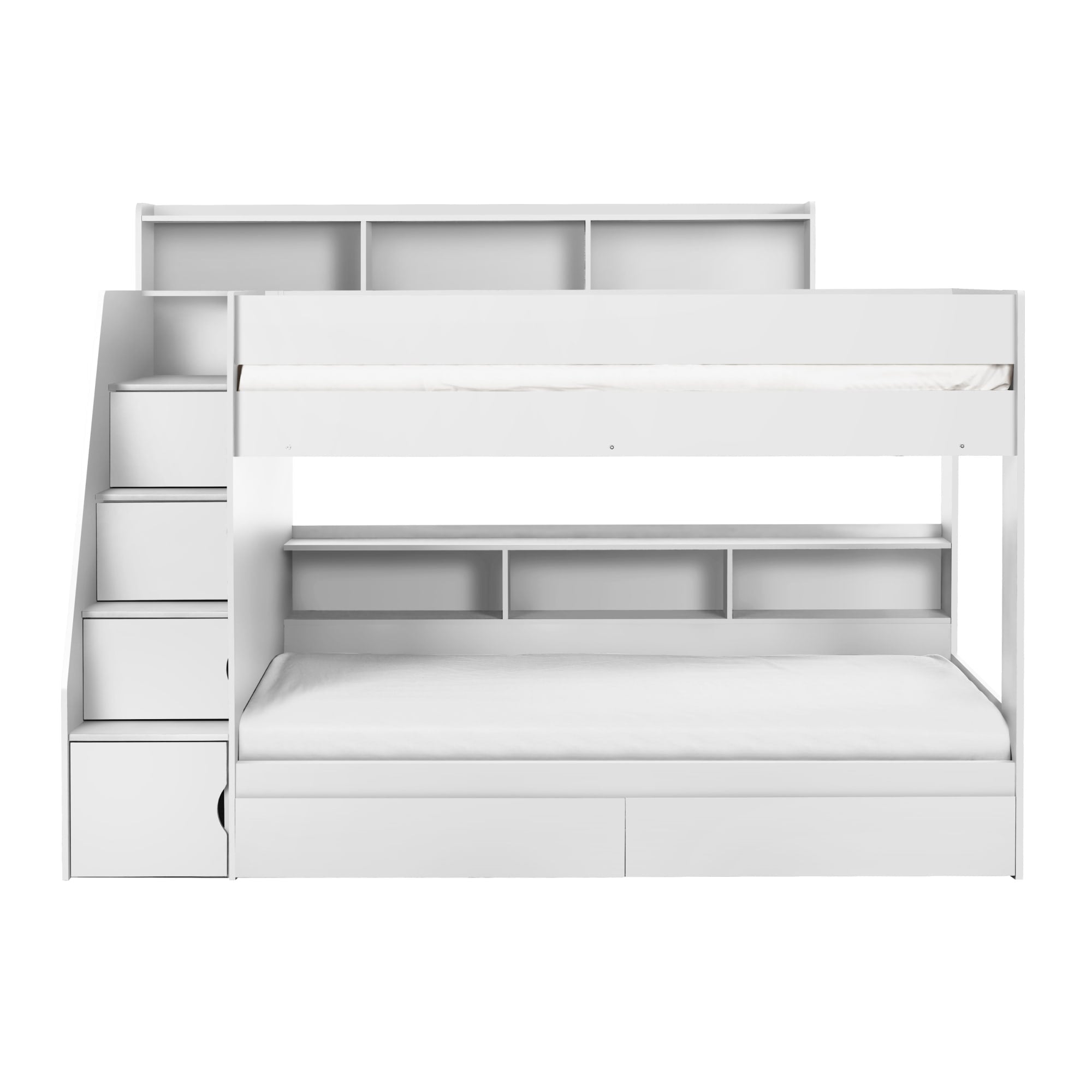
Bunk beds with storage. Built-in drawers or shelving integrated into the frame — typically beneath the lower bunk or within the staircase steps (on cabin-style bunk beds with staircase access). In a shared children's bedroom where two sets of clothing, toys, and belongings need to be stored without additional furniture, built-in storage is genuinely valuable. The staircase-style bunk with drawer steps is particularly efficient — the steps serve double duty as access and as pull-out drawers, eliminating the floor space that a separate chest of drawers would occupy.

Low bunk beds. Designed with younger children in mind — the top bunk sits at a lower height than a standard bunk, reducing the fall risk from the top bunk and making the ladder shorter and easier to navigate. The trade-off is reduced clearance height on the lower bunk, which can feel more enclosed for an older child. Low bunk beds suit families where the age difference between the children is small and both children are in the younger range (ages 4–9).

Single-over-double bunk beds. A single bed on top, a double (or small double) on the bottom. This suits families where one child needs a standard single and another needs more space — an older child or teenager sharing a room with a younger sibling, for example, who can use the more generous lower double while the younger child takes the upper single.

The Critical Specifications: Mattress Depth, Ceiling Height, and Room Planning

Mattress depth for the top bunk — non-negotiable. The guardrails on a bunk bed top bunk are positioned at a fixed height above the sleeping platform. A mattress that exceeds the maximum specified depth reduces the effective guardrail height — potentially to below the safe threshold. For most bunk bed top bunks, the maximum mattress depth is 16cm. Some models specify less. Always check the individual product page for the maximum top bunk mattress depth. A single mattress or small single mattress in a slim profile is the correct pairing. Browse the full mattresses collection and filter by depth. The bottom bunk has no maximum depth restriction — a standard depth mattress of 20–25cm is suitable and may actually be preferable for sleeping comfort on the lower bunk.

Ceiling height for the top bunk. The top bunk of a standard single-over-single bunk bed sits at approximately 130–150cm from the floor. Above the mattress, the child needs at least 60–75cm of clear headroom to sit upright. This means a minimum ceiling height of approximately 200–225cm at the position of the top bunk. Most standard UK bedrooms (typically 240cm ceiling) accommodate this comfortably. Attic rooms, loft conversions, and rooms with sloped ceilings may not — measure at the exact position the bed's top bunk will sit before ordering. For rooms where ceiling height is the constraint, an L-shape bunk may provide an alternative where the top bunk can be positioned under a higher section of ceiling.

Room planning beyond ceiling height. Allow at least 60cm of floor clearance on the ladder side of the bunk bed for safe ladder access. On a standard single-over-single, the full width of the frame is 90–100cm (for a single-width bunk) plus the ladder projection. For a room of 2.5m width, this leaves around 1.5m for other furniture — adequate for a desk and wardrobe, but worth measuring with the full furniture plan before ordering.

Assembly. Bunk beds are self-assembly and require two people — the frames are heavy, the components numerous, and the structural connections that determine safety need to be made correctly. Set aside half a day for assembly. Follow the instructions in sequence and do not skip or reverse steps. Once assembled, check every bolt and connection is fully tightened before allowing any child to use the bed.

Bunk Beds vs Alternatives

A bunk bed is the right choice when two permanent sleeping surfaces are needed in one room. When the need is different, the alternatives are worth considering.

Two single beds side by side — for rooms large enough to accommodate both without compromising floor space. Two singles provide equal sleeping arrangements for both children without the ladder and top-bunk safety considerations of a bunk bed. Suits older children (10+) who have outgrown the novelty of bunk sleeping and want independent bed arrangements.

A high sleeper for a single child whose bedroom needs to accommodate study space as well as sleeping. The high sleeper uses the same vertical principle as a bunk but puts a desk, storage, or futon underneath instead of a second sleeping surface. Suits single-occupancy bedrooms where functionality rather than capacity is the priority.

A mid-sleeper for a younger child in a single-occupancy bedroom where play or storage space beneath the sleeping area is the primary need. Lower, safer, and more accessible than a bunk top bunk, with the space efficiency of a raised sleeping arrangement.

Browse the full kids' beds collection to compare all children's bed types in one place, or explore the wider bedroom furniture collection for the complete bedroom setup. Every Airedale Living bunk bed comes with free UK delivery and arrives ready for self-assembly with all fixings and instructions included.

Browse the full bunk bed collection above — and find the configuration that gives two children the bedroom they need within the space you have.

Frequently Asked Questions

The bottom bunk is safe from around age 4 when most children can get in and out independently and a fall from the lower sleeping height carries limited injury risk. The top bunk is recommended from age 6, when most children have developed the ladder confidence, spatial awareness, and night-time caution to navigate an elevated sleeping area safely. These are guidelines rather than absolute rules — assess your child's specific maturity, coordination, and whether they can independently and confidently use a ladder in the dark before allowing top bunk use. Supervised top bunk use can begin slightly earlier; independent overnight top bunk sleeping should not.

The top bunk requires a slim mattress typically a maximum of 16cm in depth, though some models specify less. A mattress exceeding the maximum depth reduces the effective guardrail height to below a safe threshold. Always check the maximum top bunk mattress depth on the individual product page before ordering. A single mattress or small single mattress in a slim profile is the correct choice for the top bunk. The bottom bunk has no maximum depth restriction — a standard mattress of 20–25cm depth is suitable. Browse the mattresses collection and filter by depth for top bunk options.

The top bunk sleeping platform on a standard single-over-single bunk bed sits at approximately 130–150cm from the floor. Above the mattress, a child needs at least 60–75cm of clear headroom to sit upright. This means a minimum ceiling height of approximately 200–225cm at the top bunk's position. Most standard UK bedrooms (typically 240cm ceiling) accommodate this comfortably. Attic rooms, loft conversions, and rooms with sloped ceilings may not — always measure from floor to ceiling at the exact position the top bunk will sit before ordering. If ceiling height is the constraint, an L-shape bunk bed may offer an alternative positioning that places the top bunk under a higher section of ceiling.

Many but not all — bunk bed models can be separated into two freestanding single beds. This is worth checking on the individual product page if there's any likelihood of the sleeping arrangement changing as the children get older. Models designed to separate will specify this in the product description and the assembly instructions will show how the connection points work. If separation is a likely future need, prioritise models that explicitly confirm this capability rather than assuming it.
Yes when used at the appropriate age, with the correct mattress depth, and assembled correctly. All Airedale Living bunk beds are built to UK safety standard EN-747 and include guardrails on the top bunk and a secure ladder as standard. The key safety practices are: bottom bunk from age 4, top bunk from age 6; slim mattress on the top bunk at or below the maximum specified depth; full tightening of all bolts and connections at assembly and re-checked periodically; one child on the top bunk at a time only; no playing on the ladder or top bunk as a climbing frame. A bunk bed assembled correctly and used within these guidelines is as safe as any other children's bed.