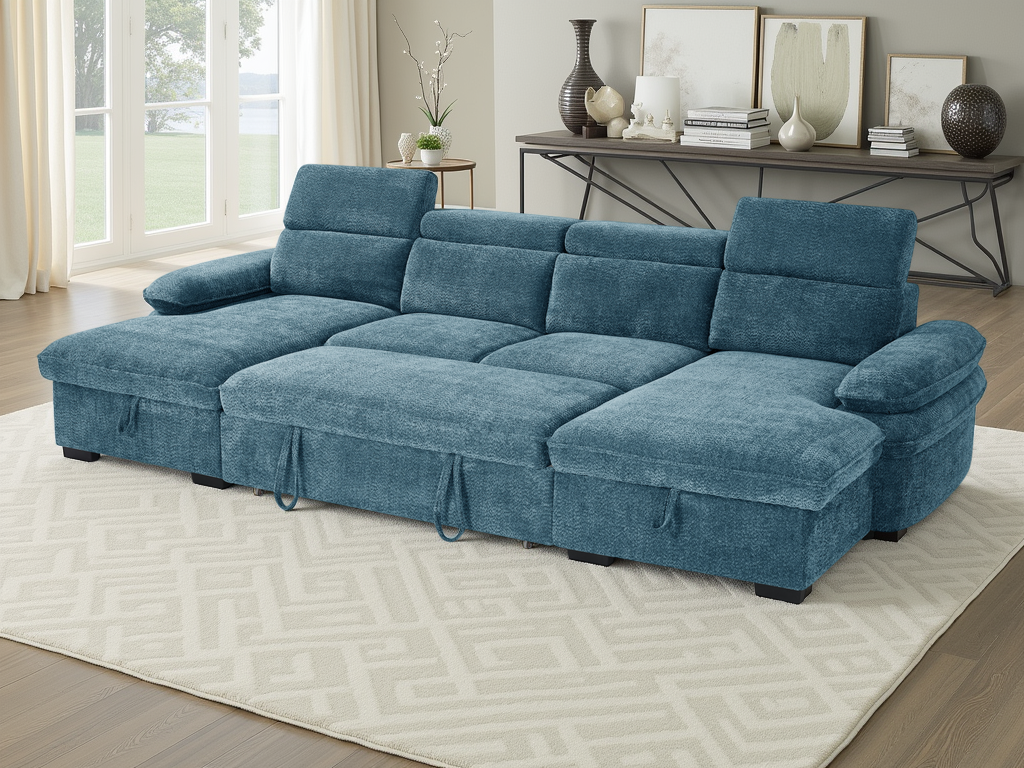
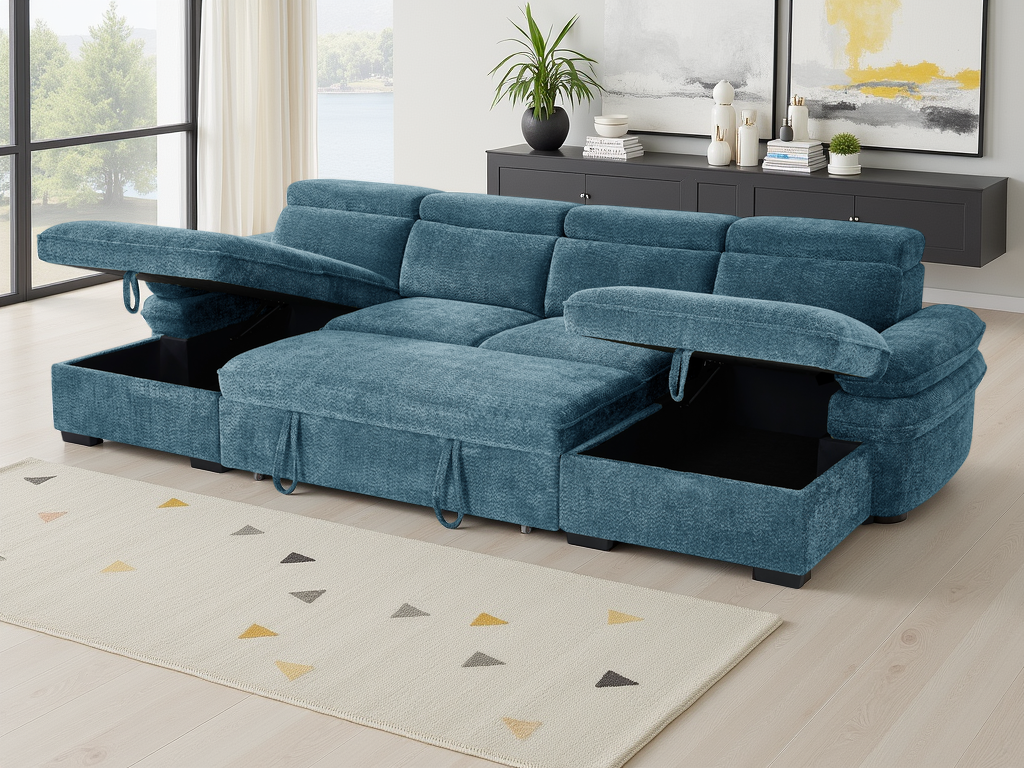
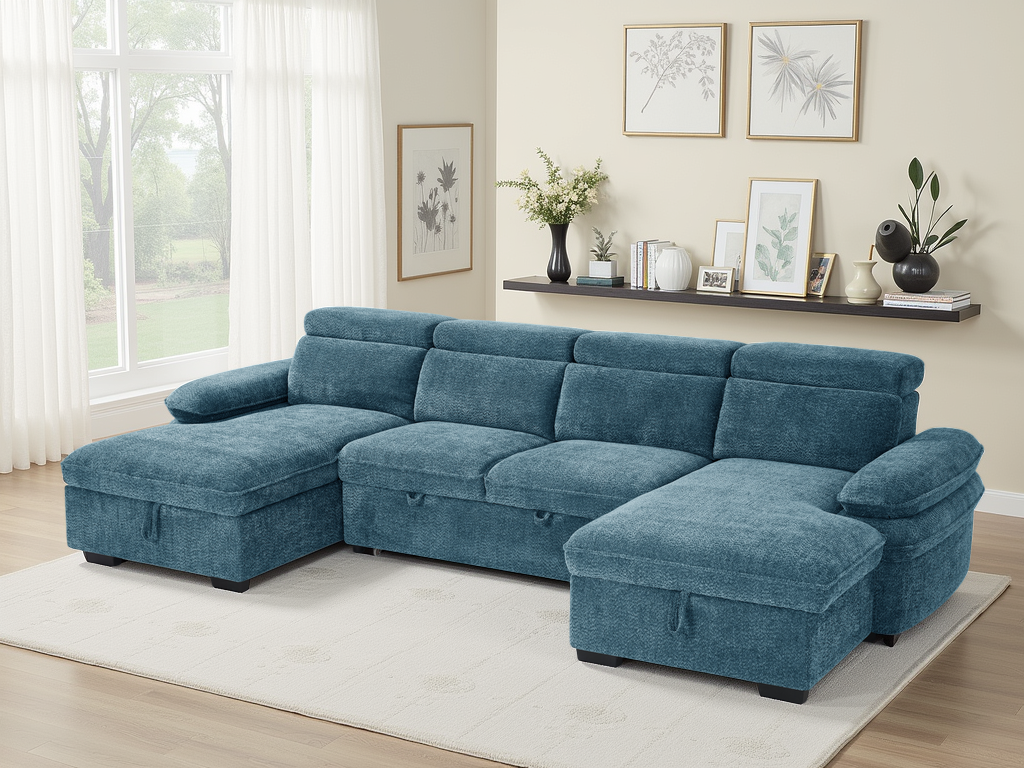
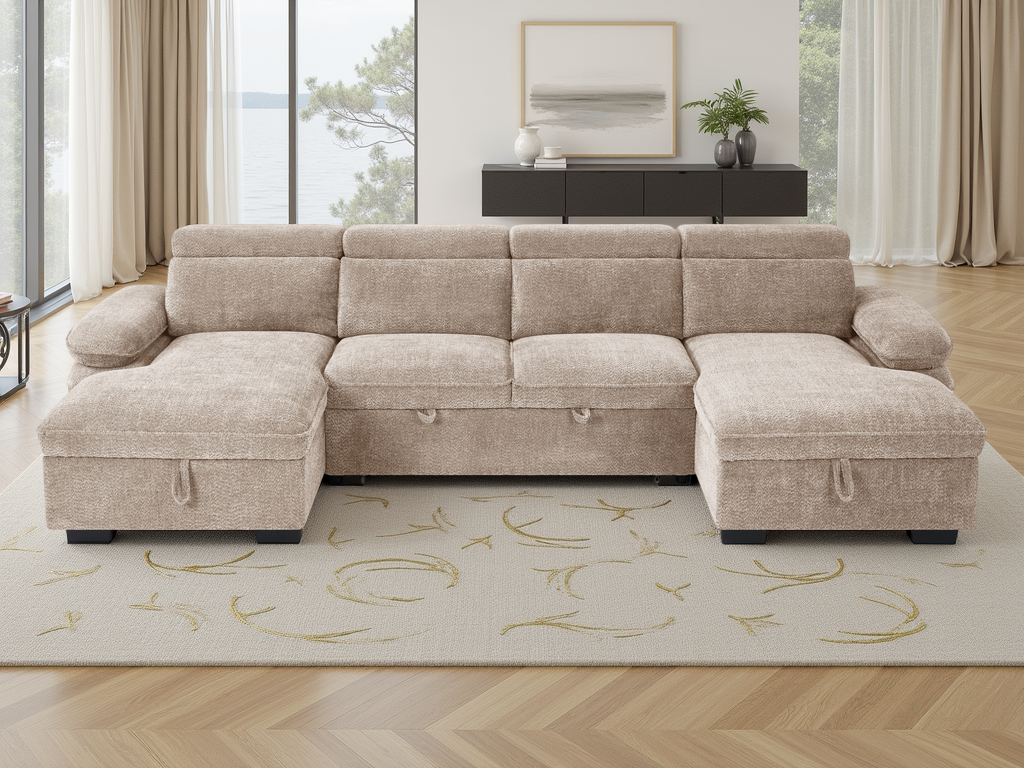
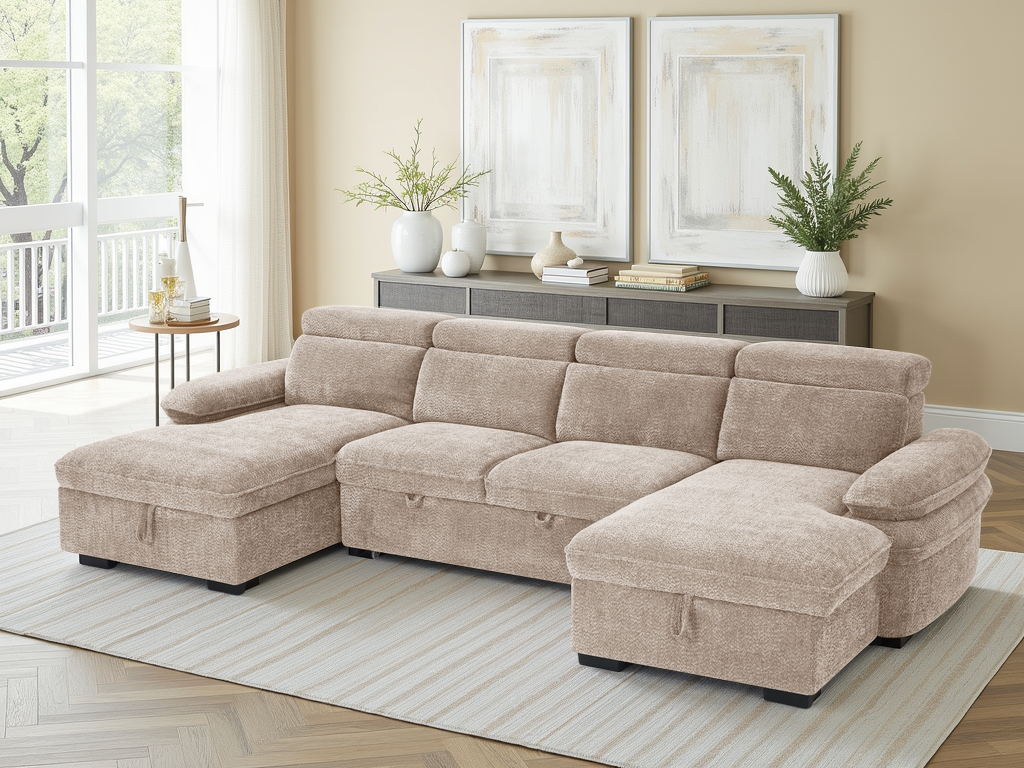
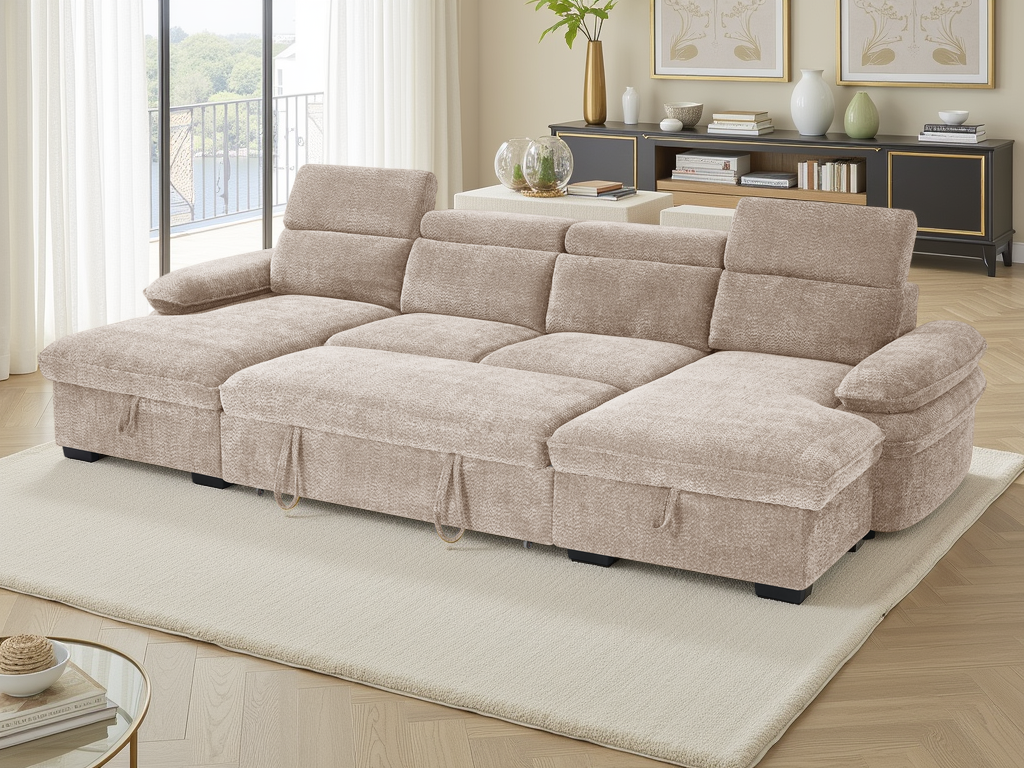
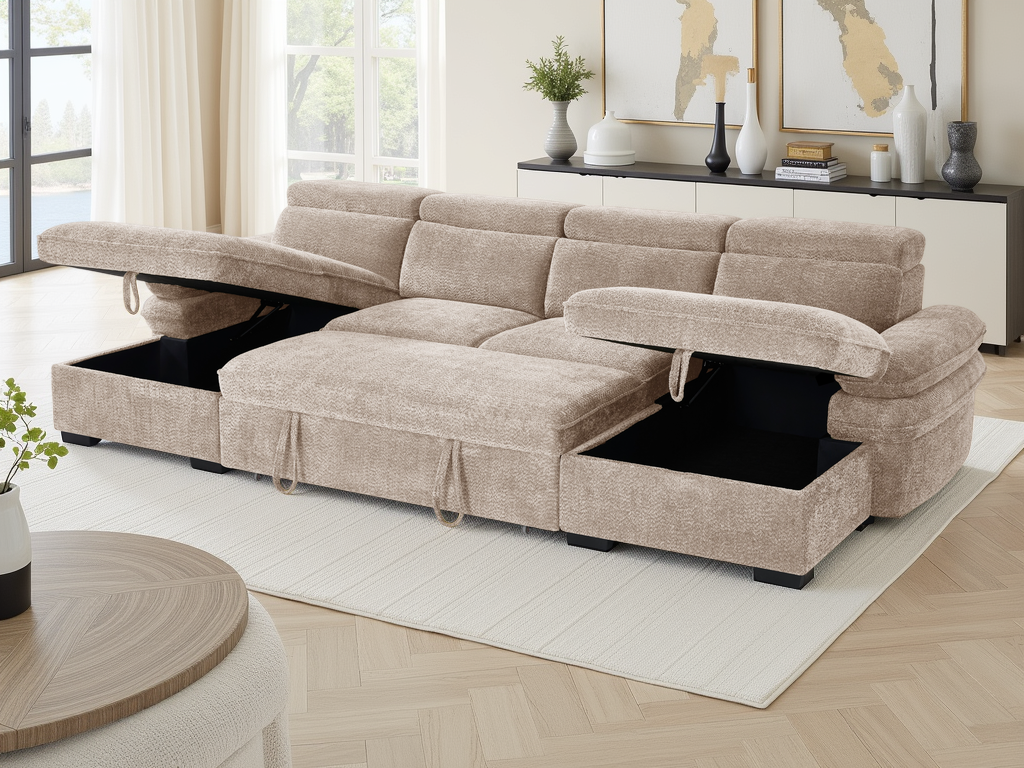
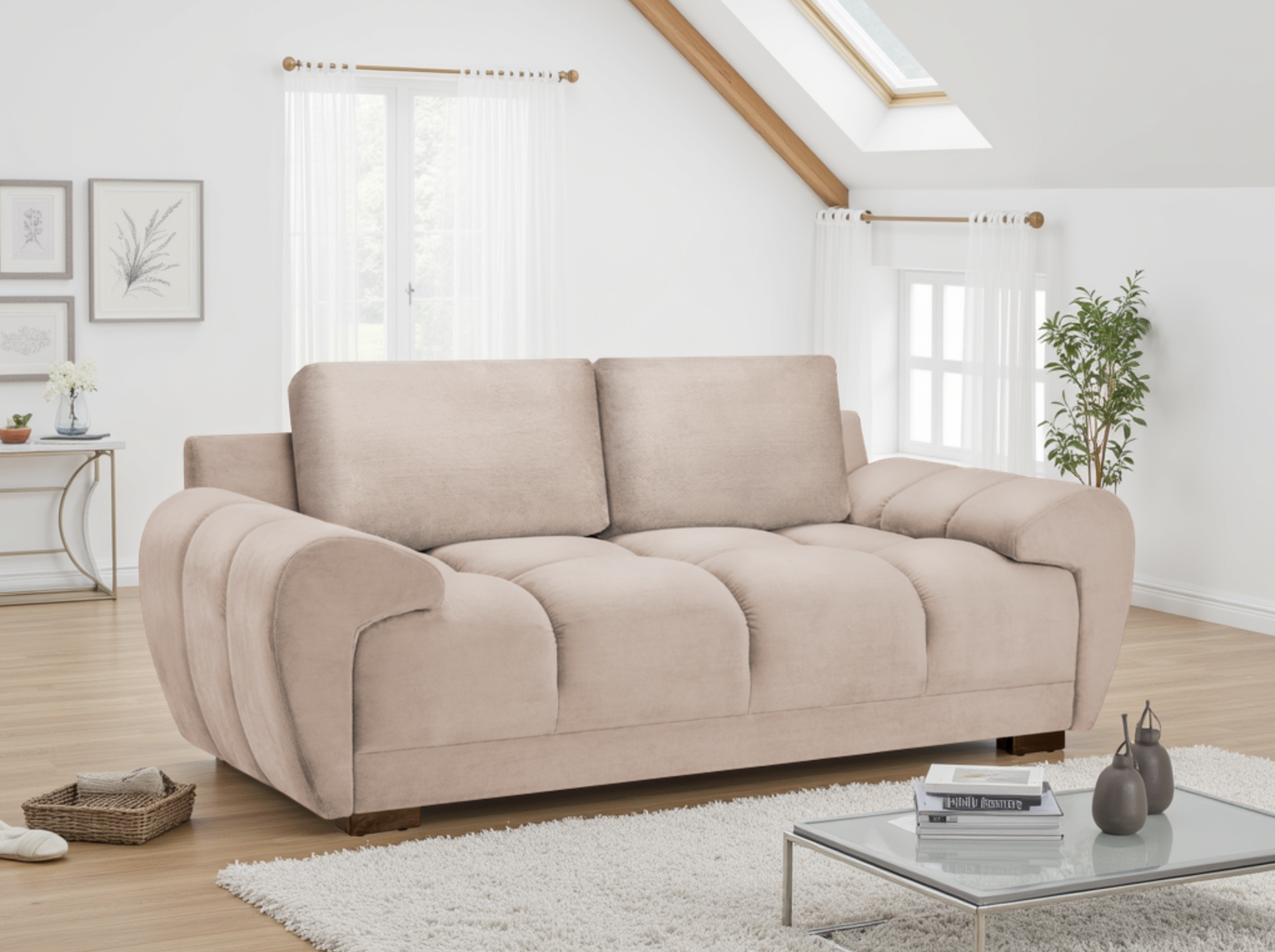
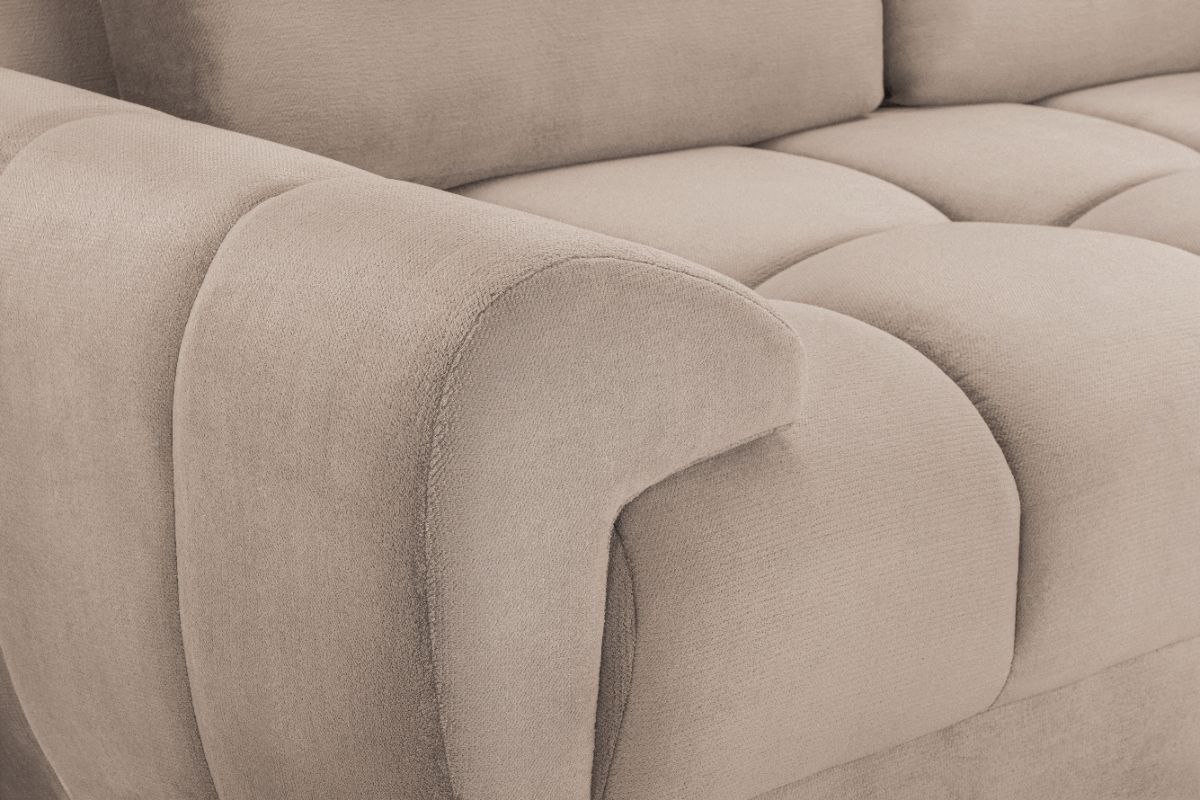
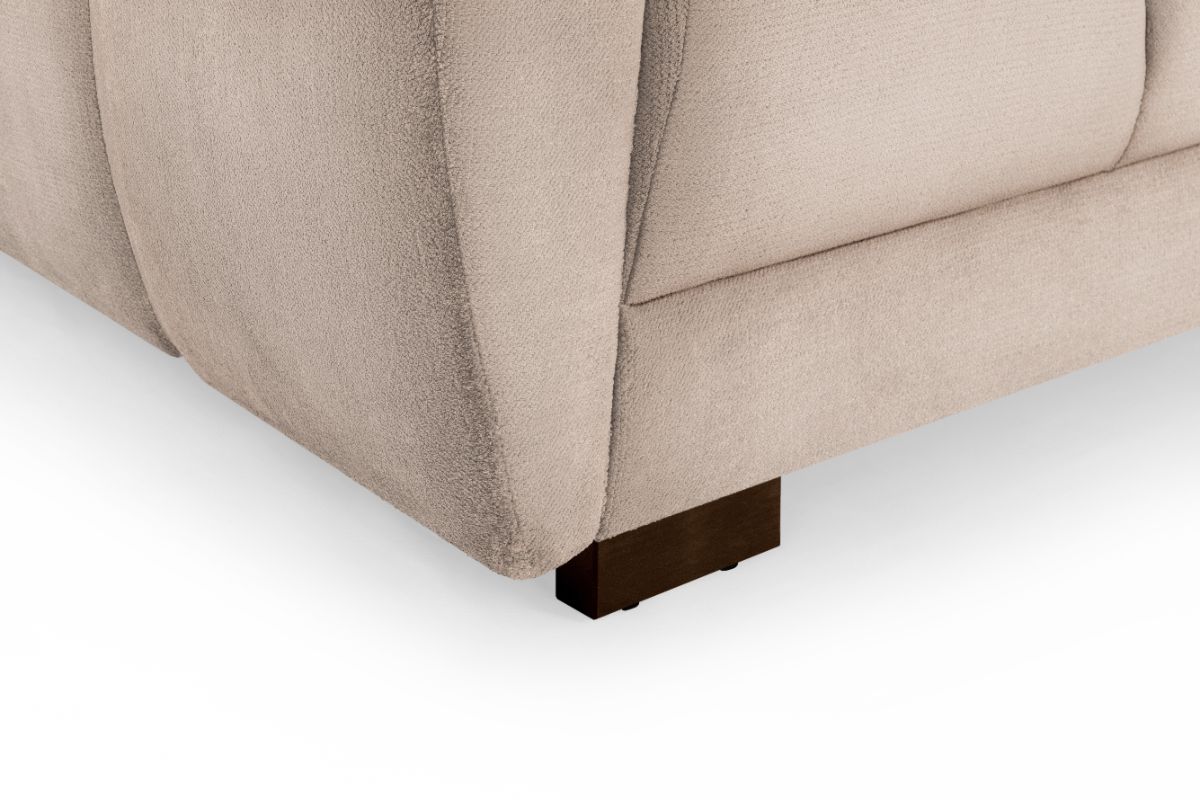
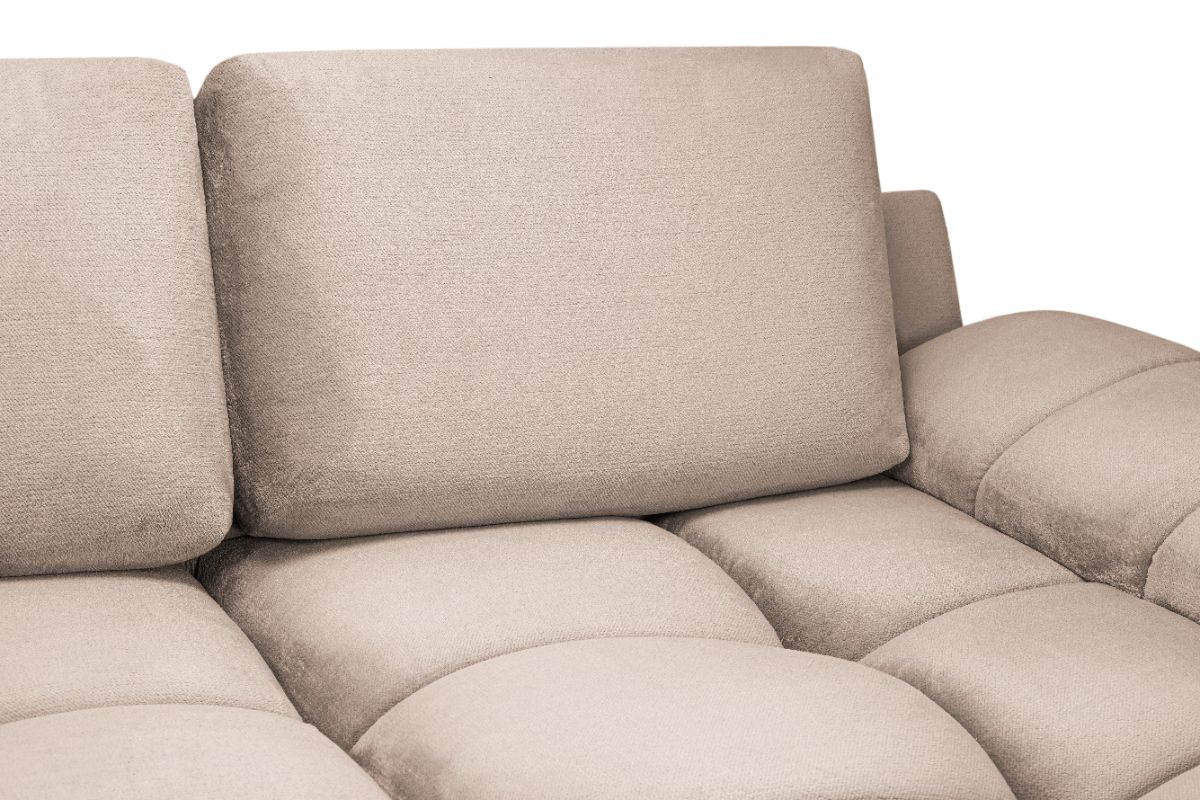
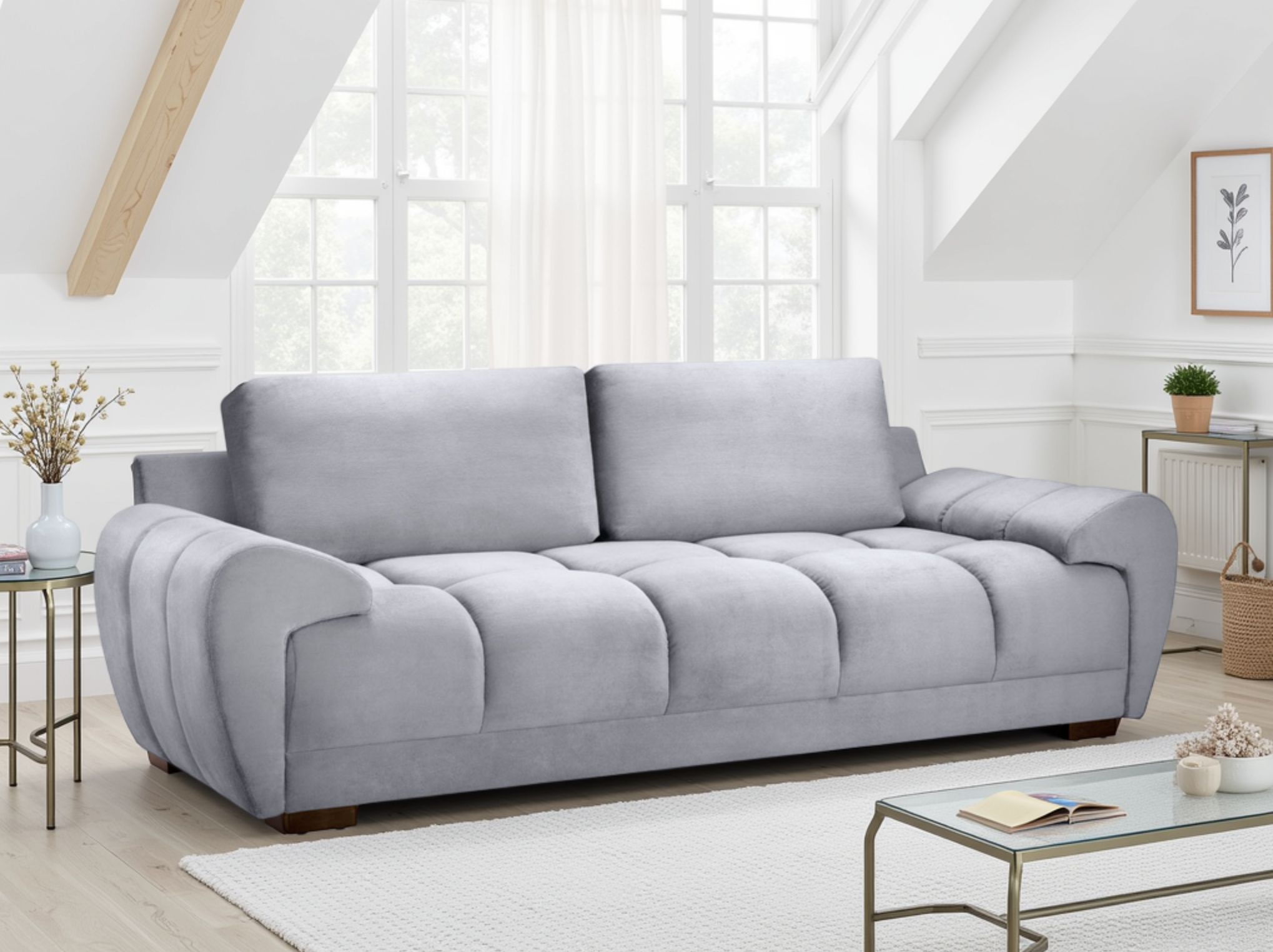
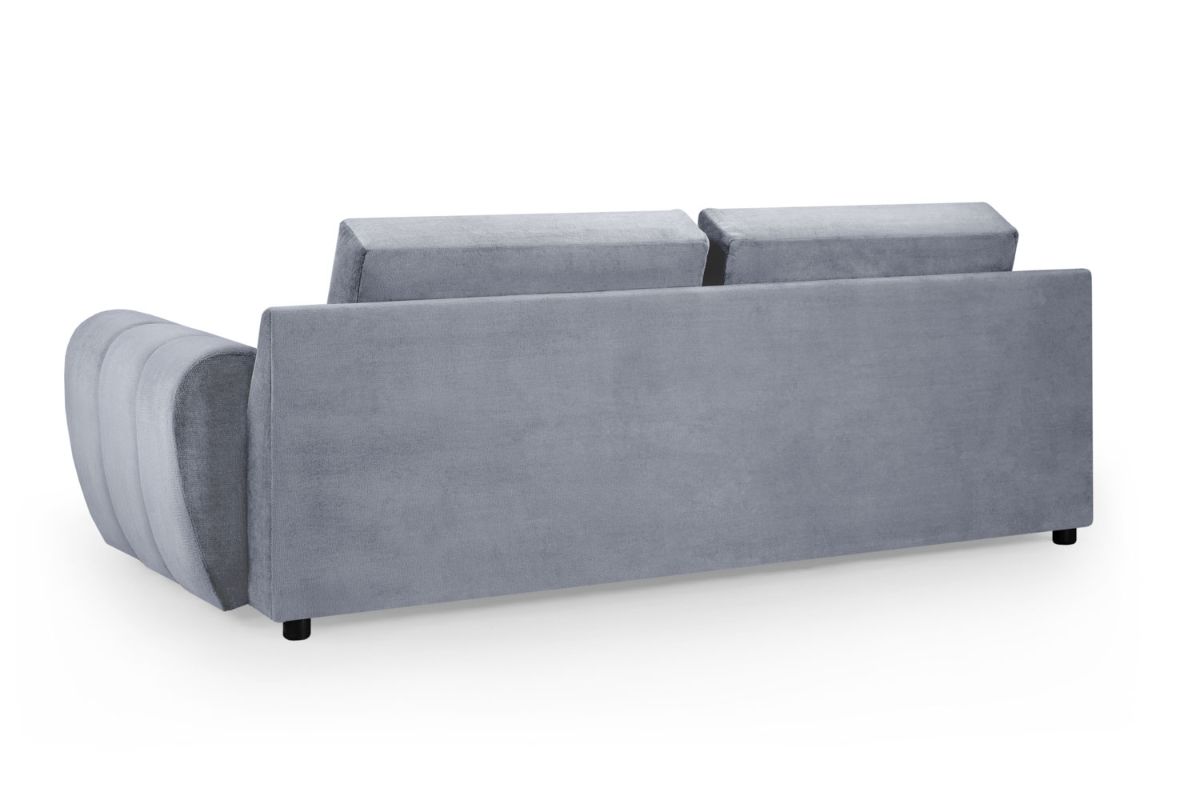
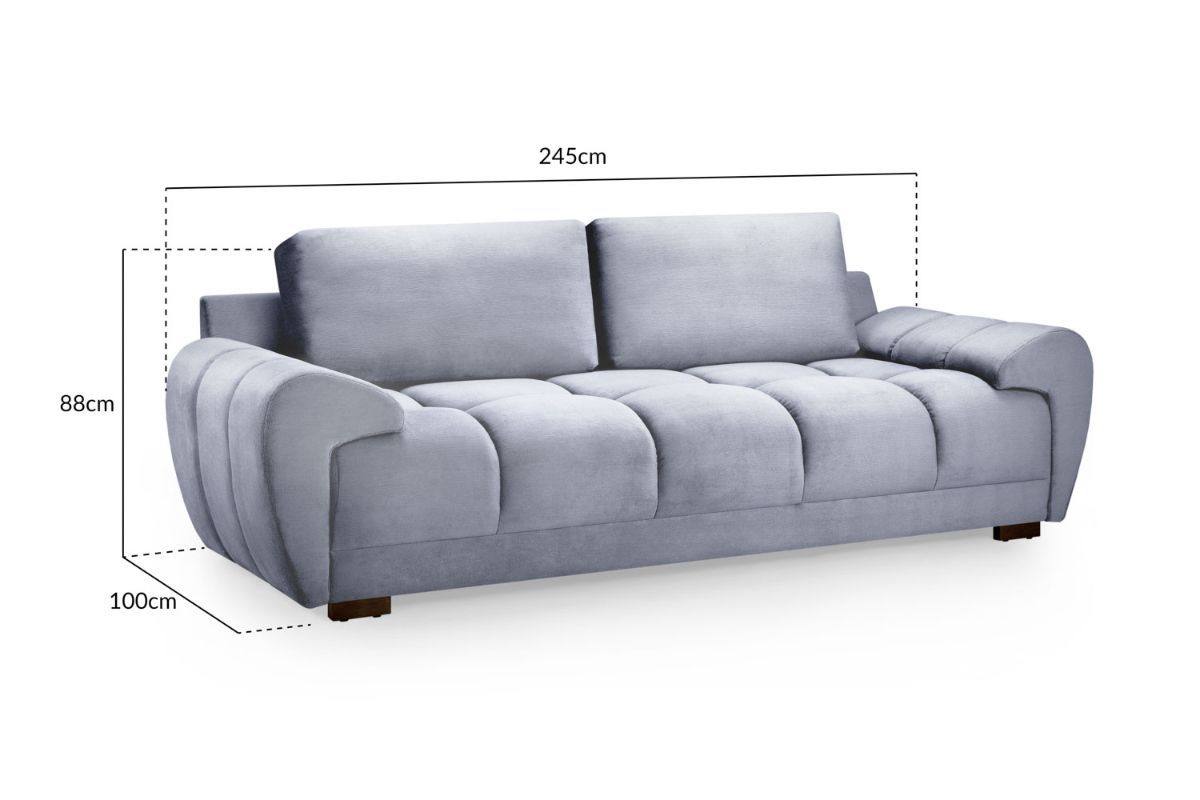
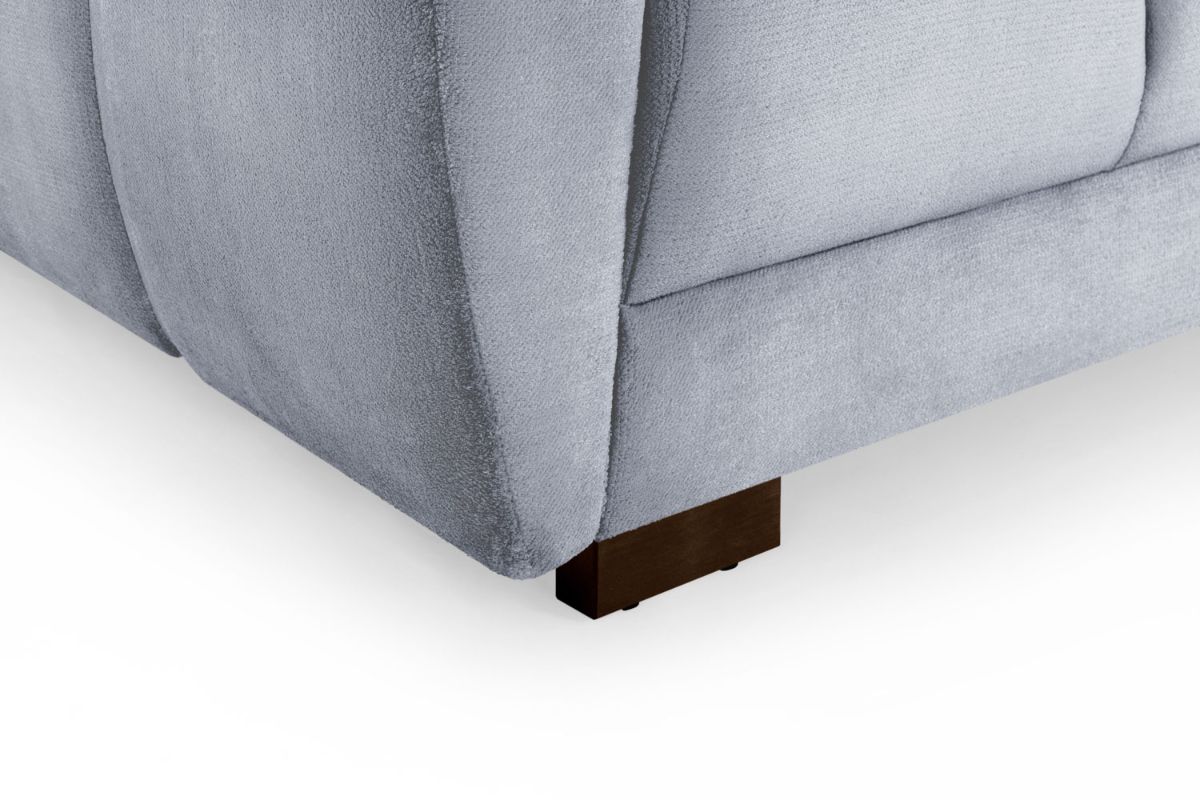
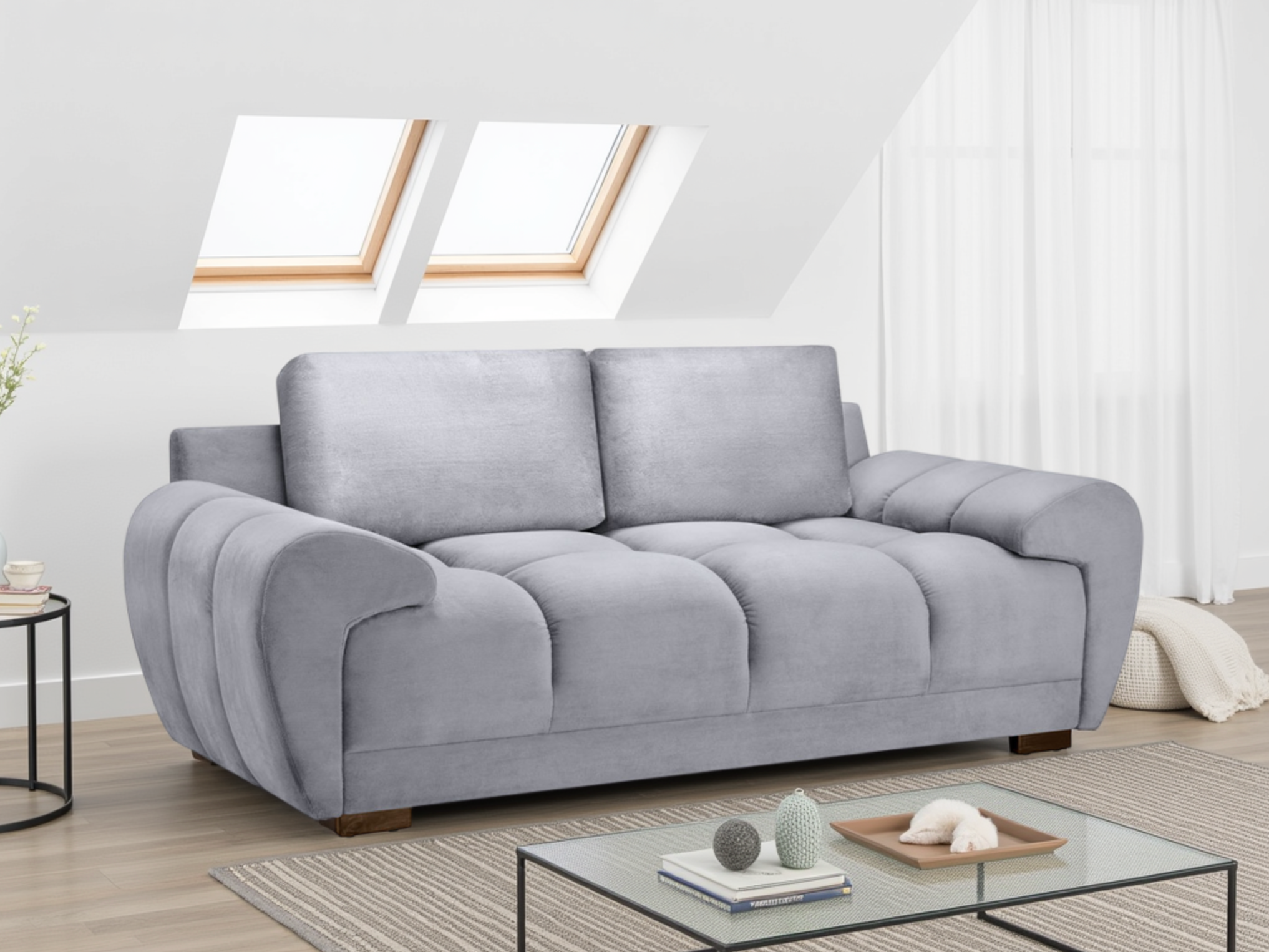
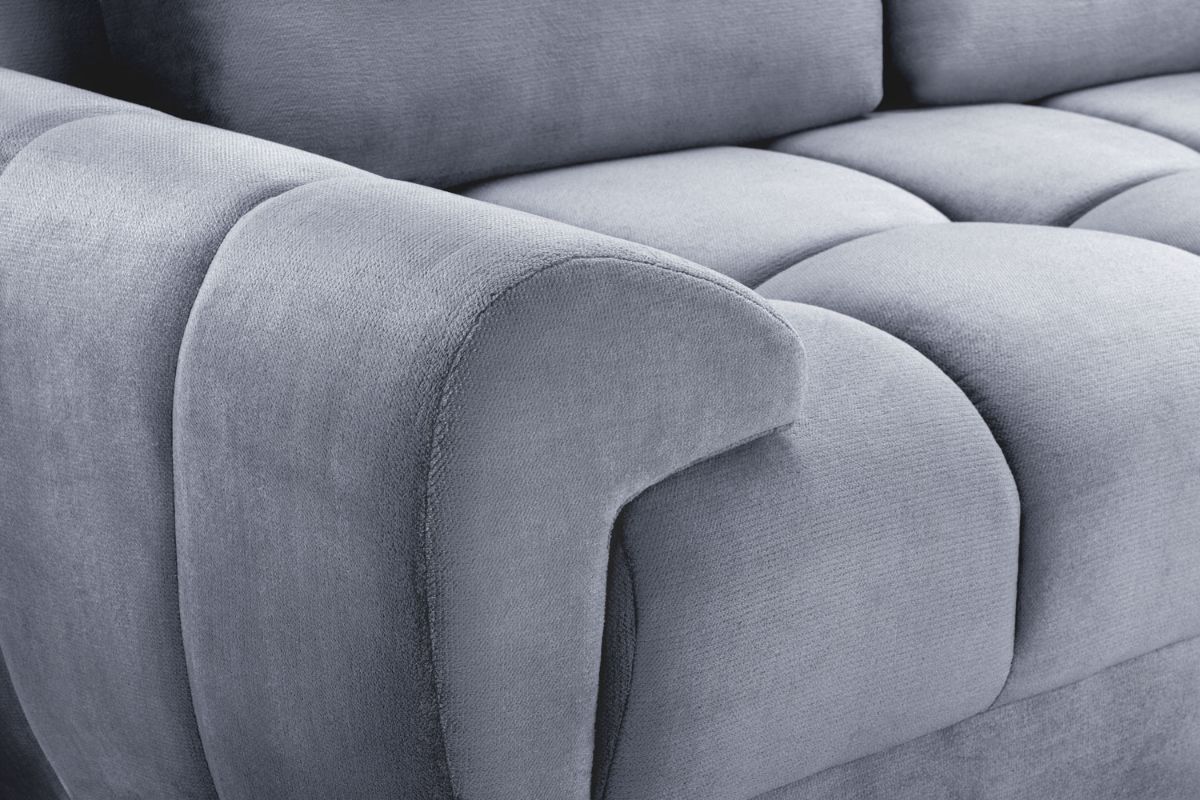
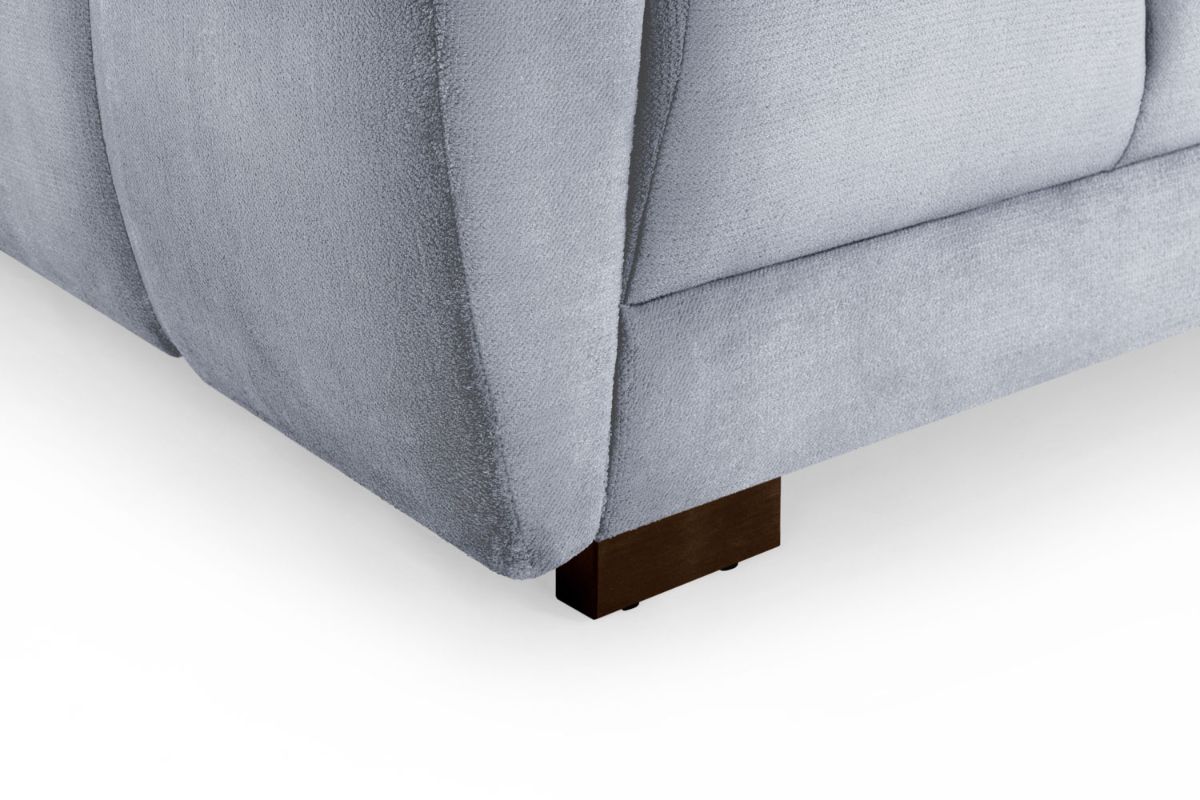
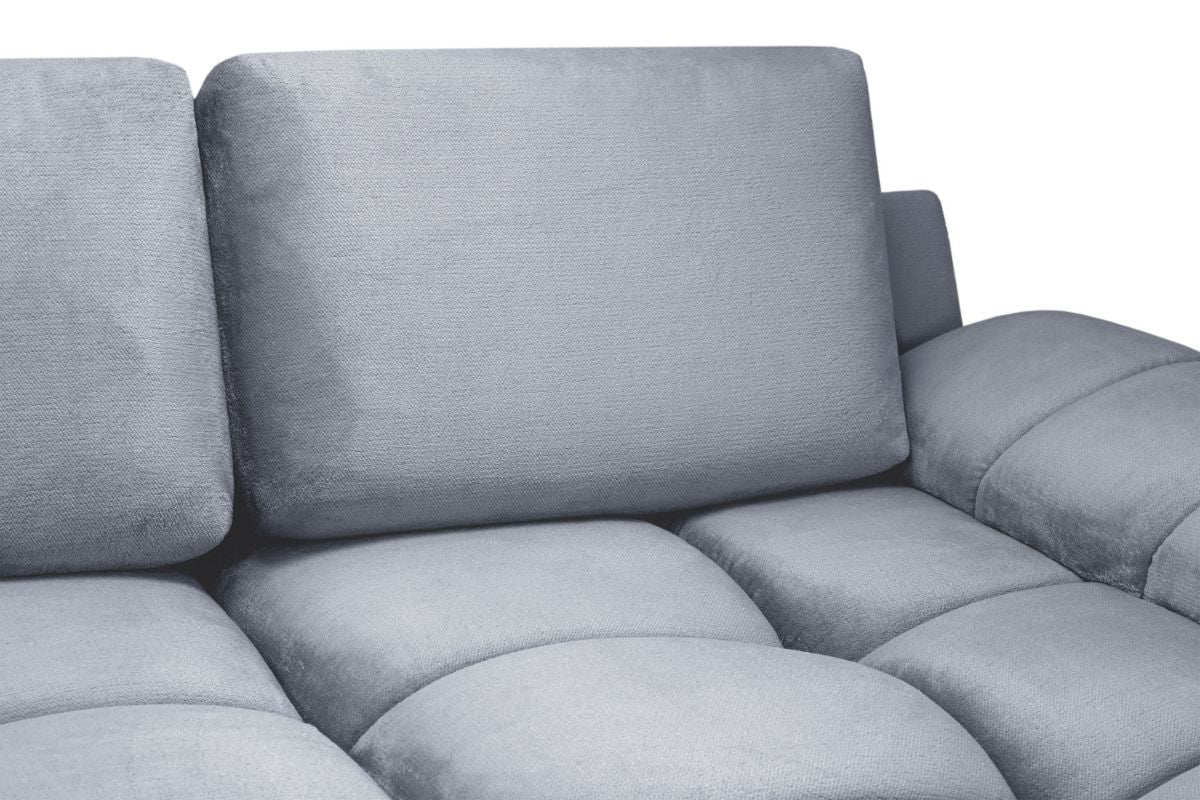
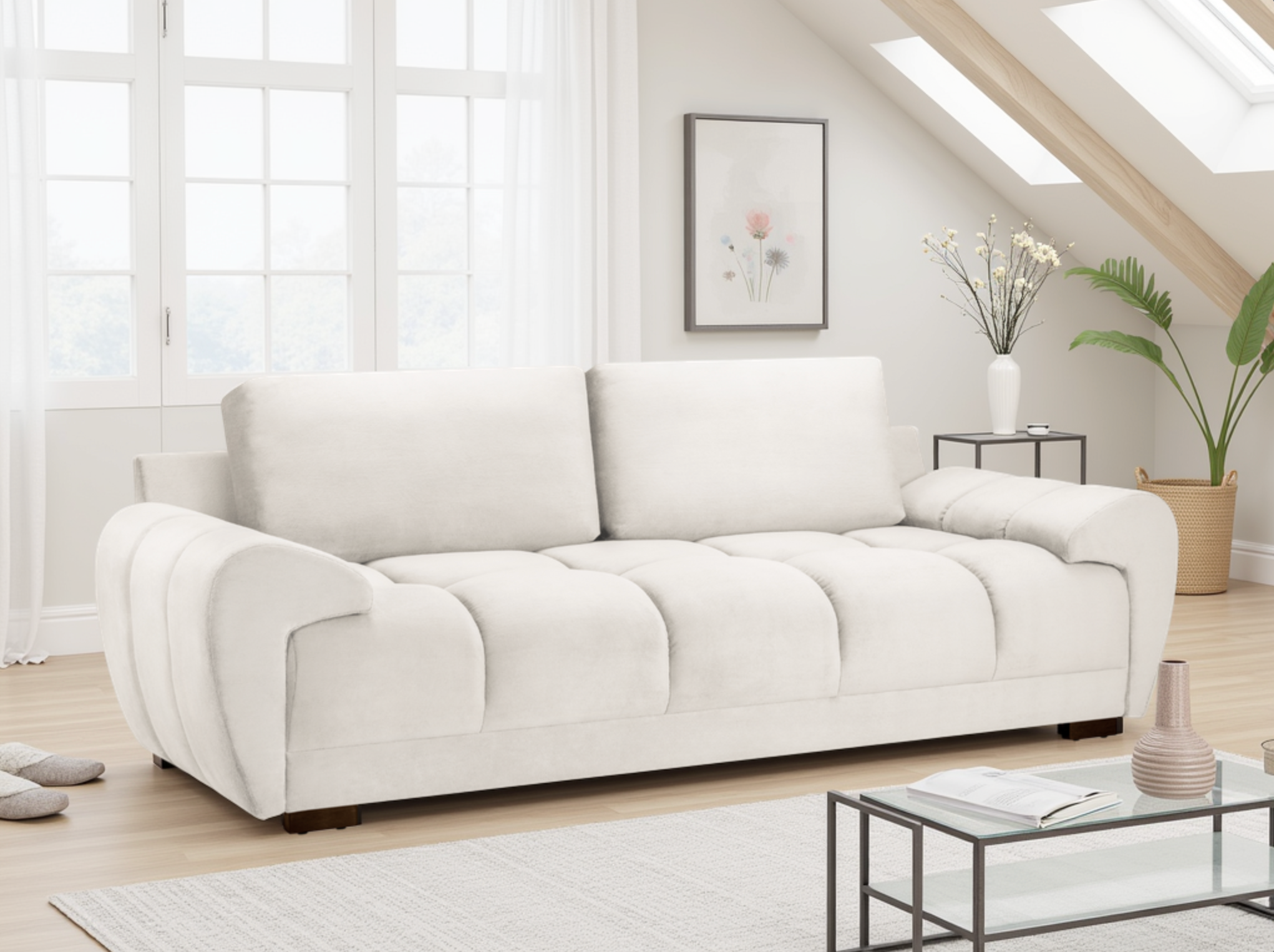
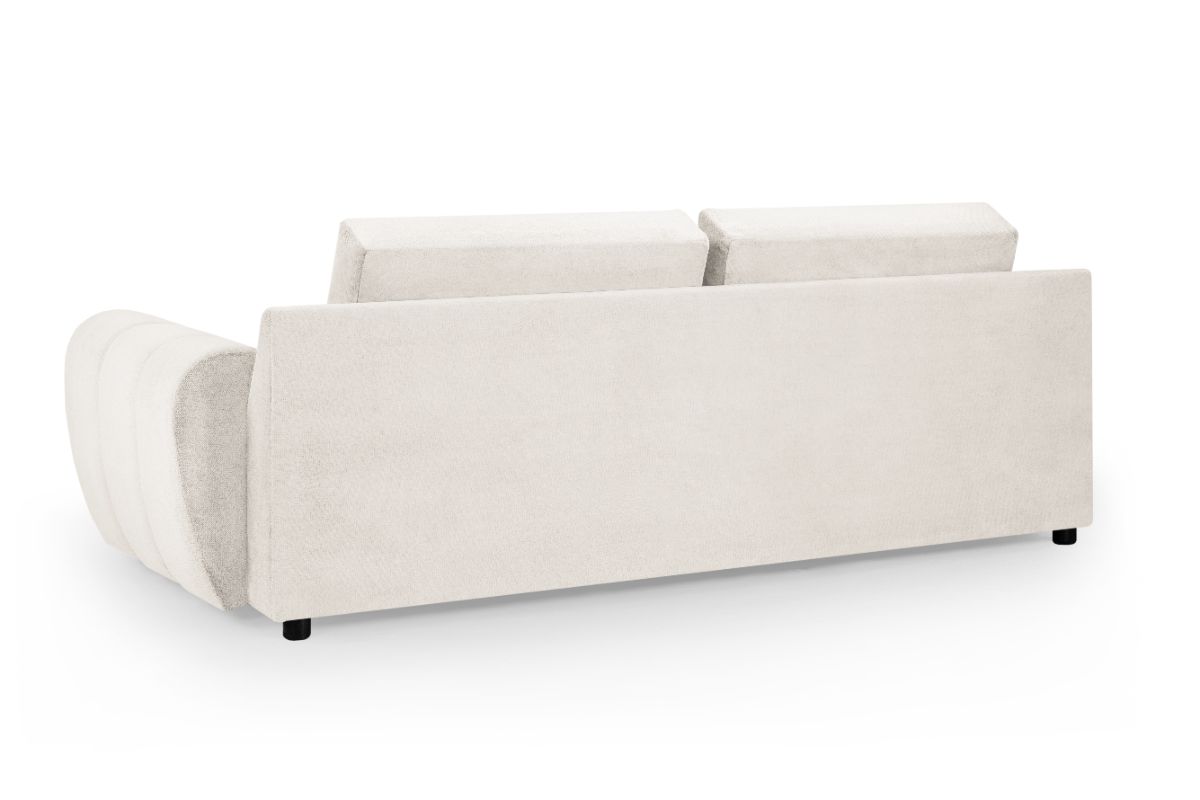
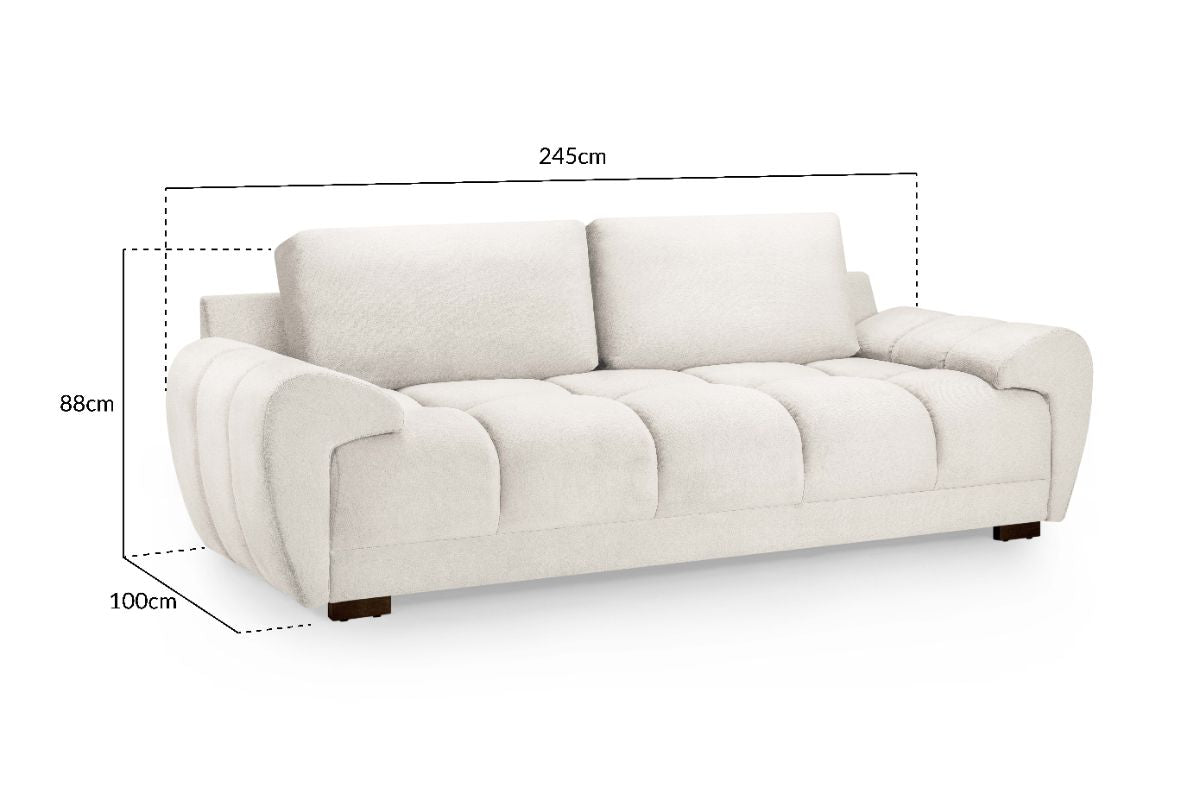
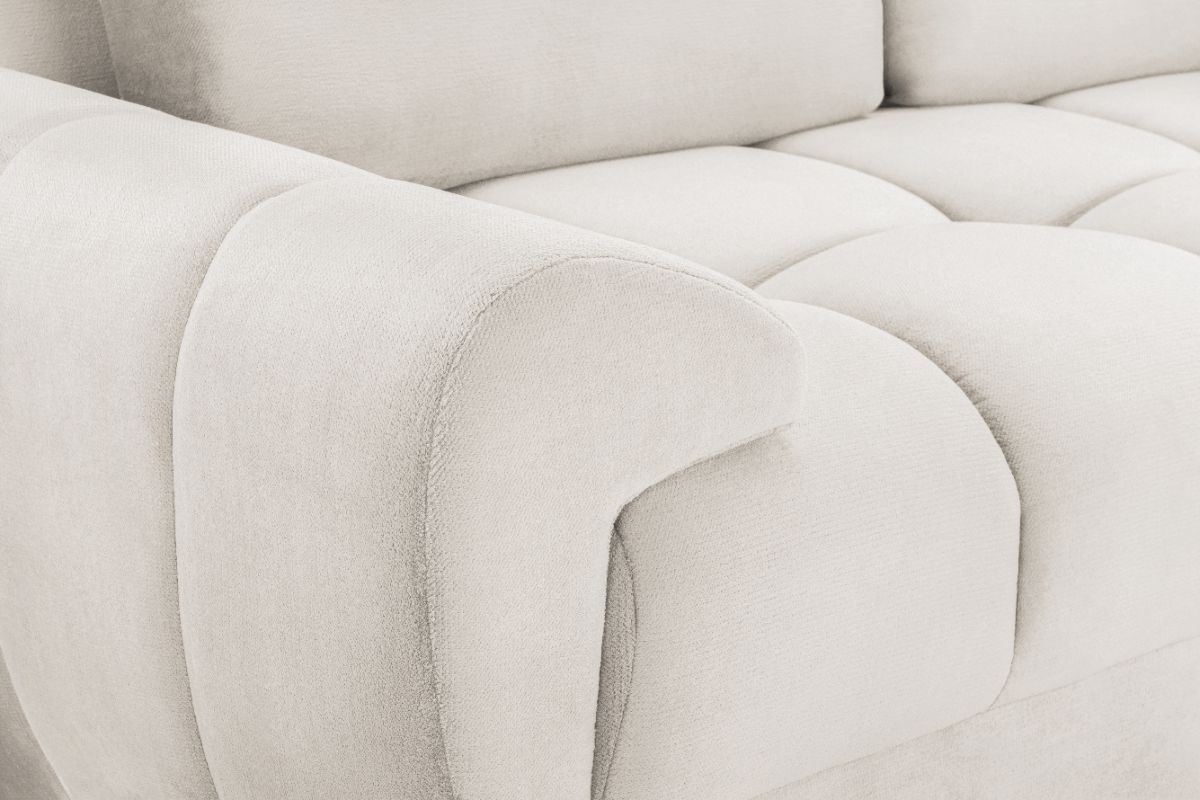
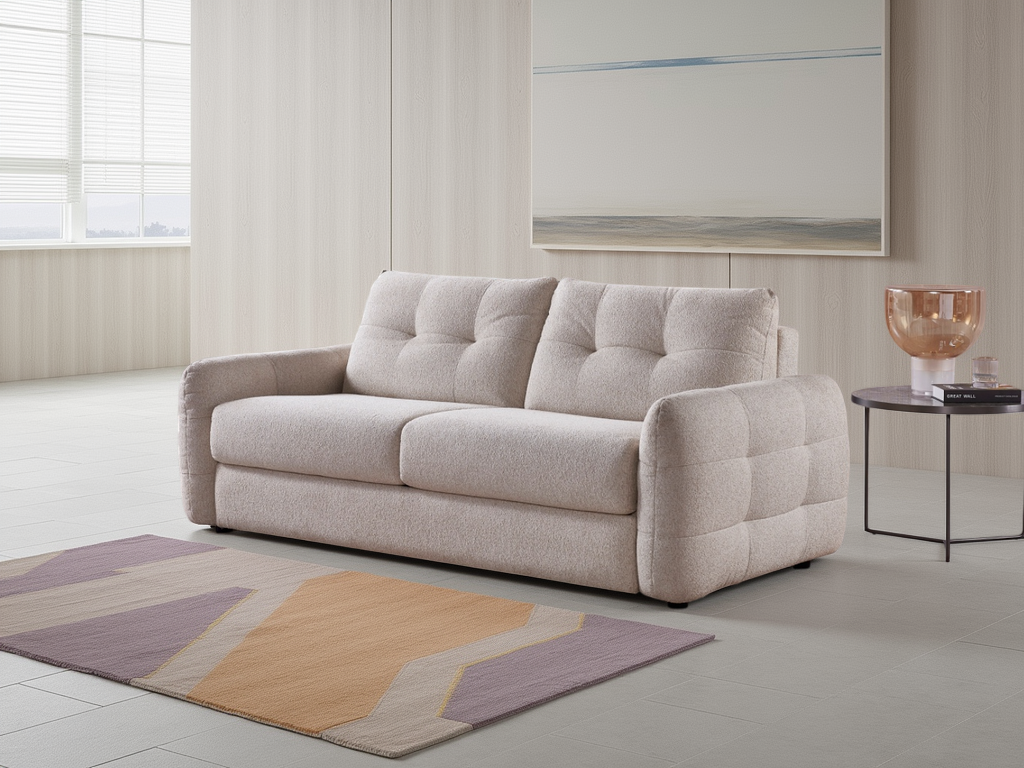
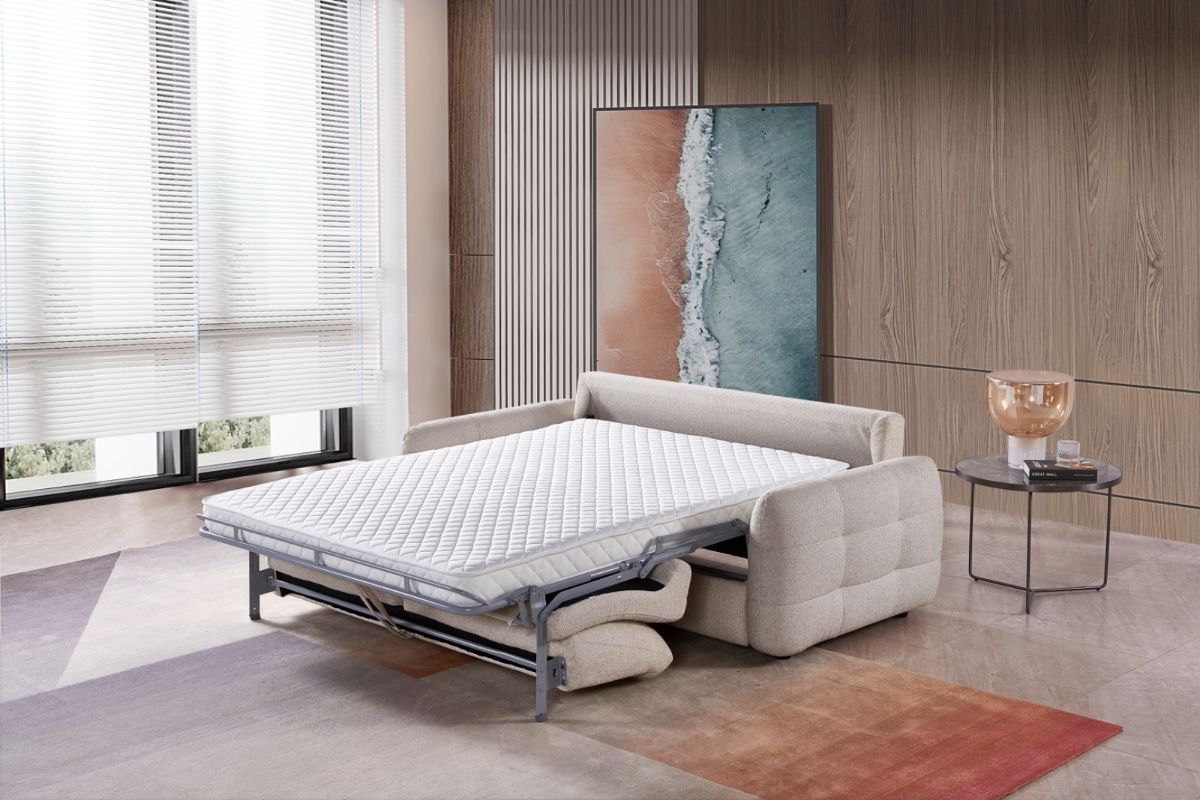
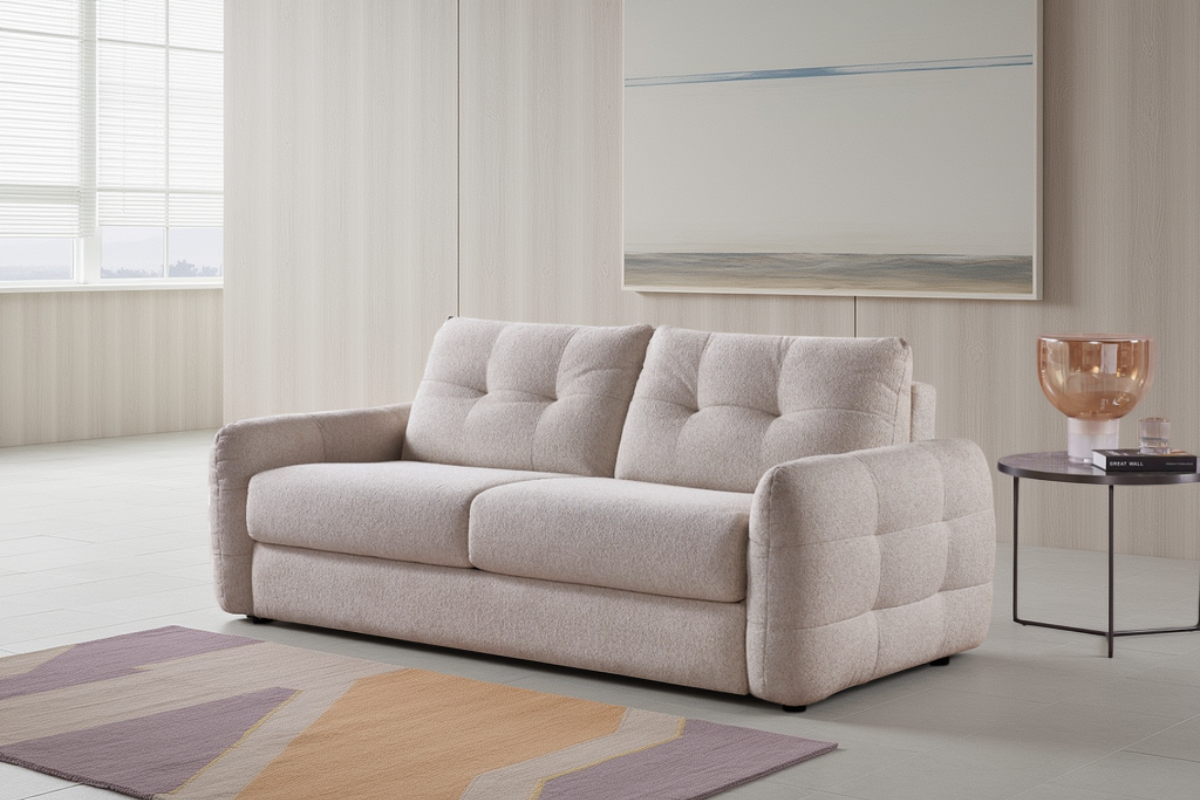
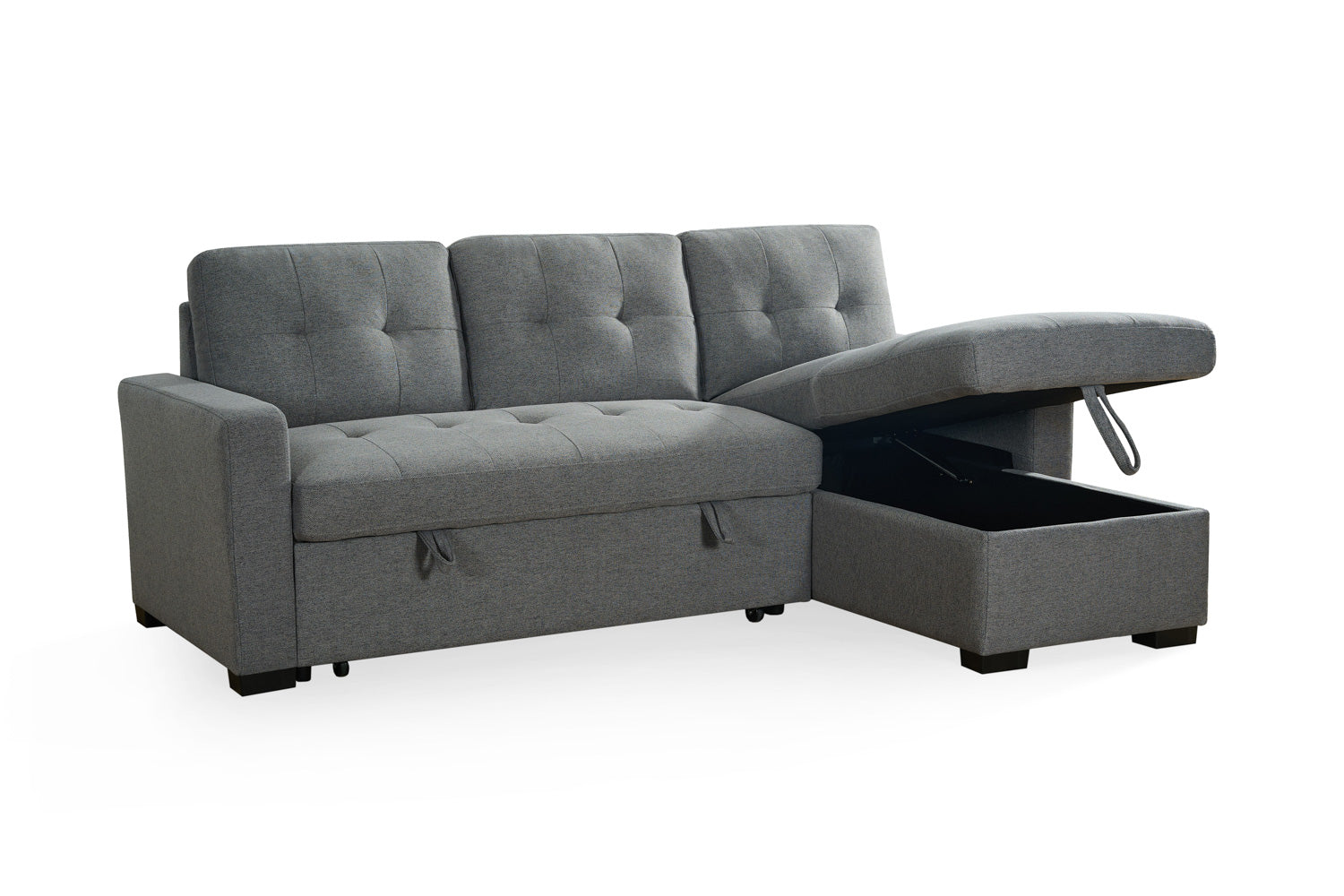
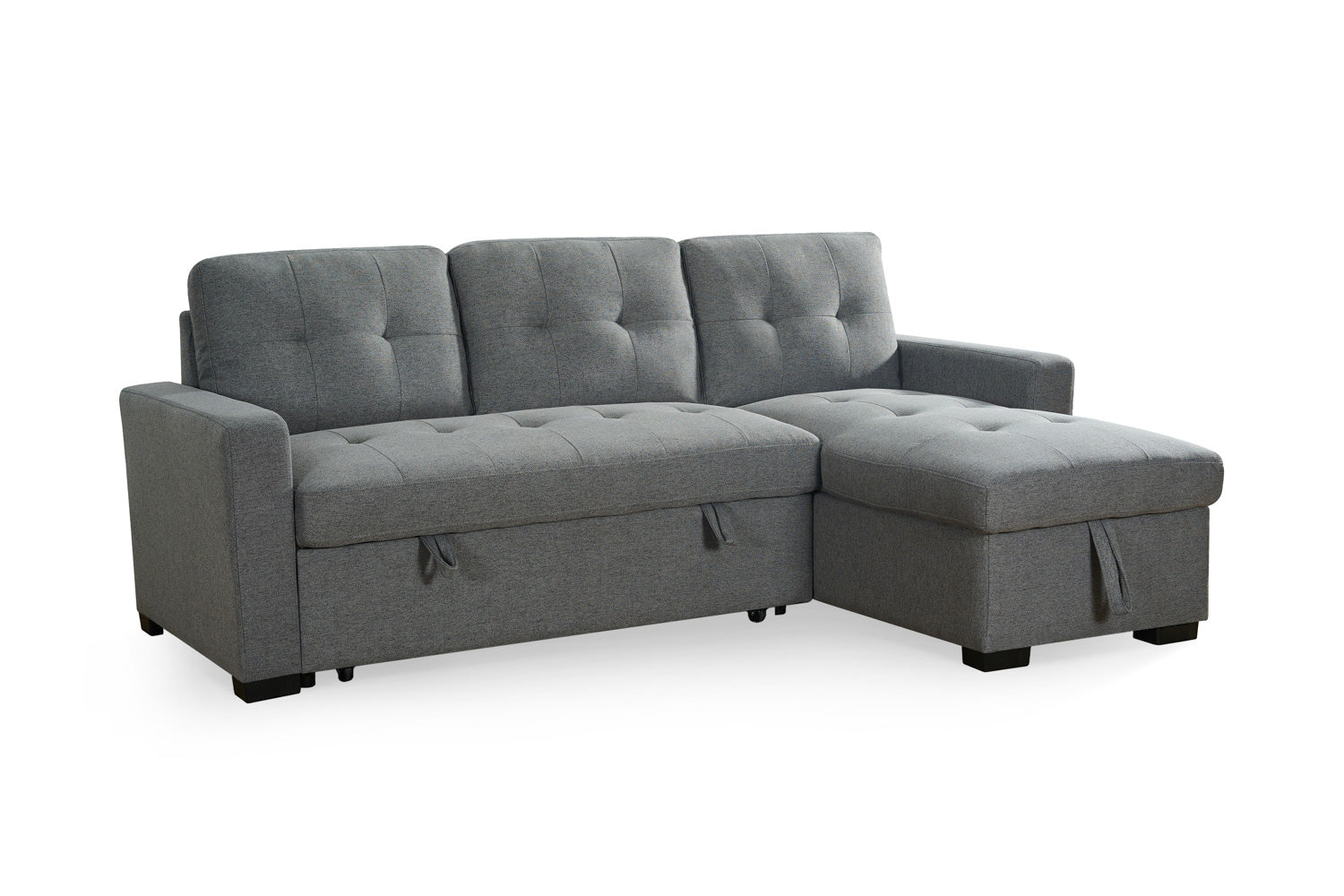
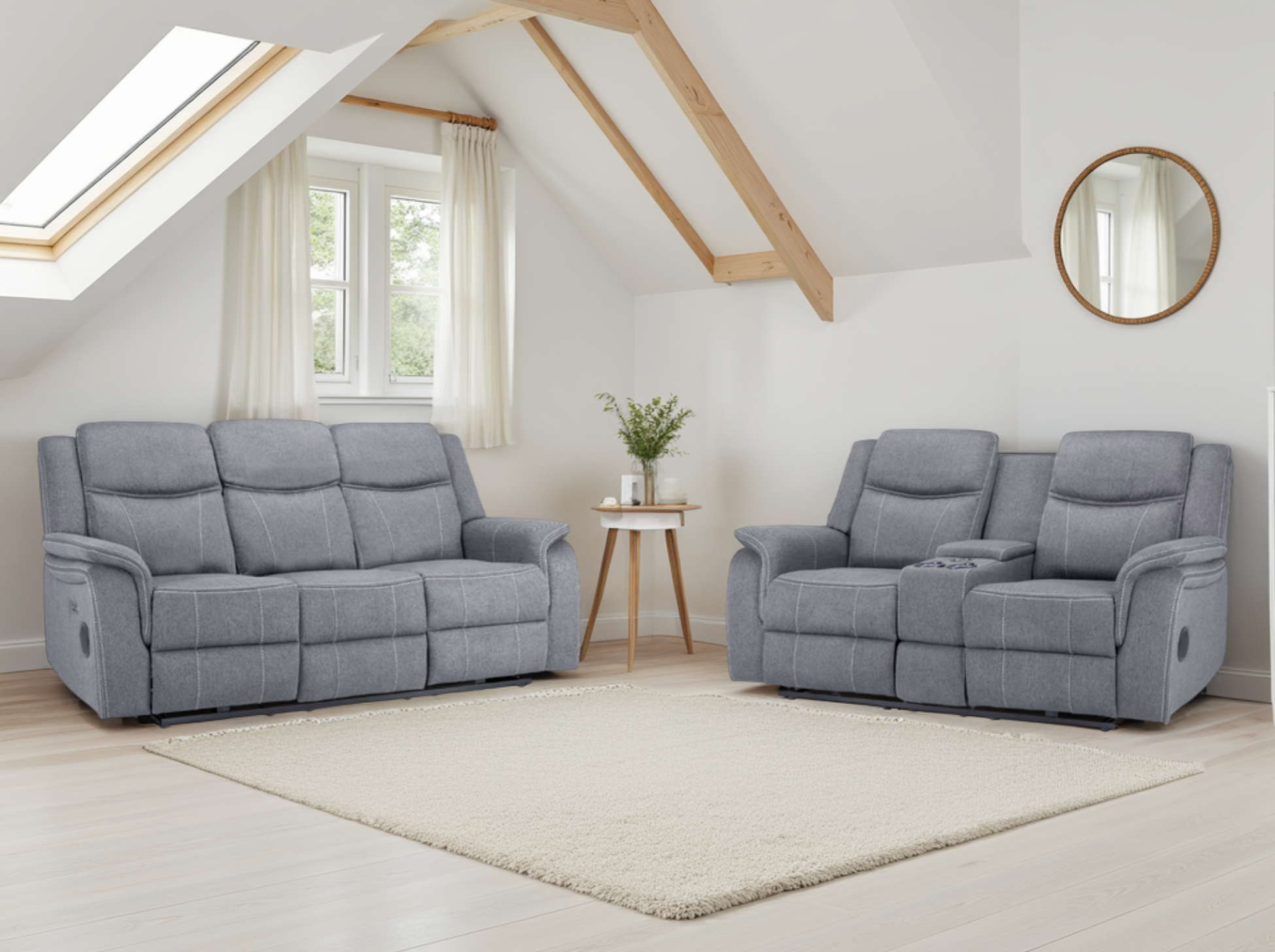
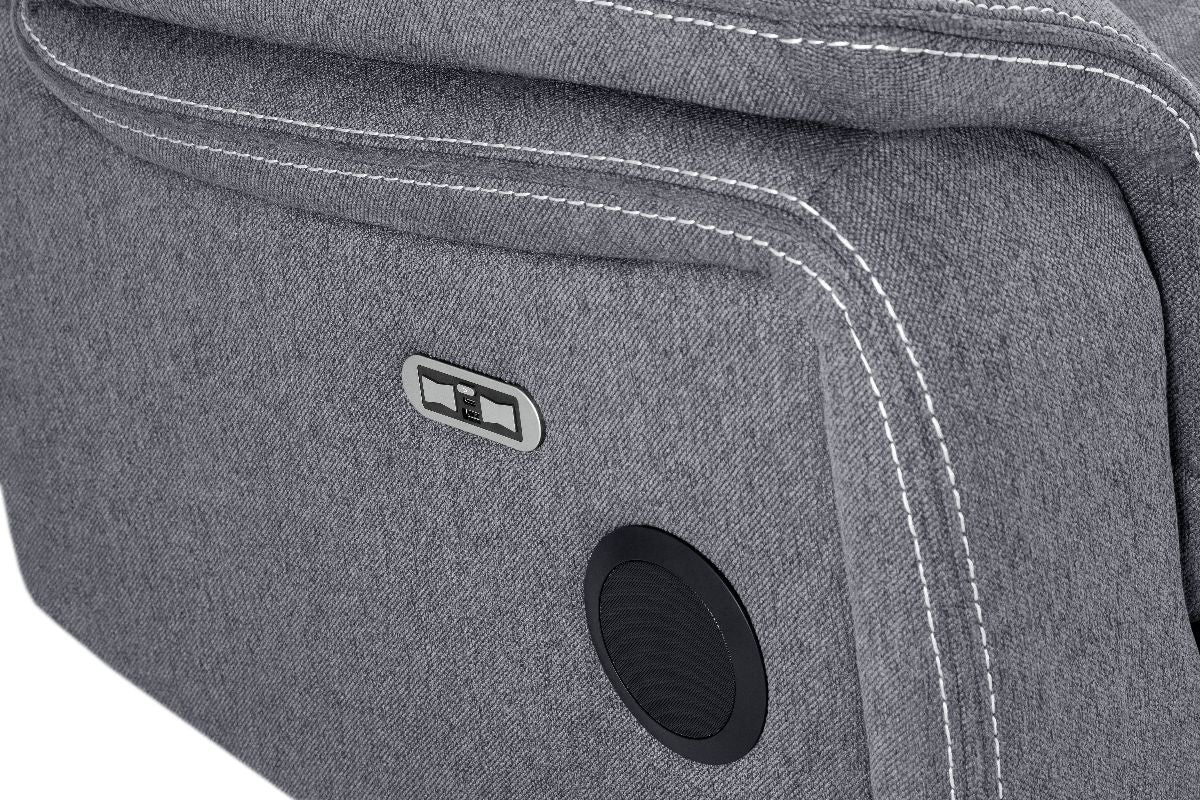
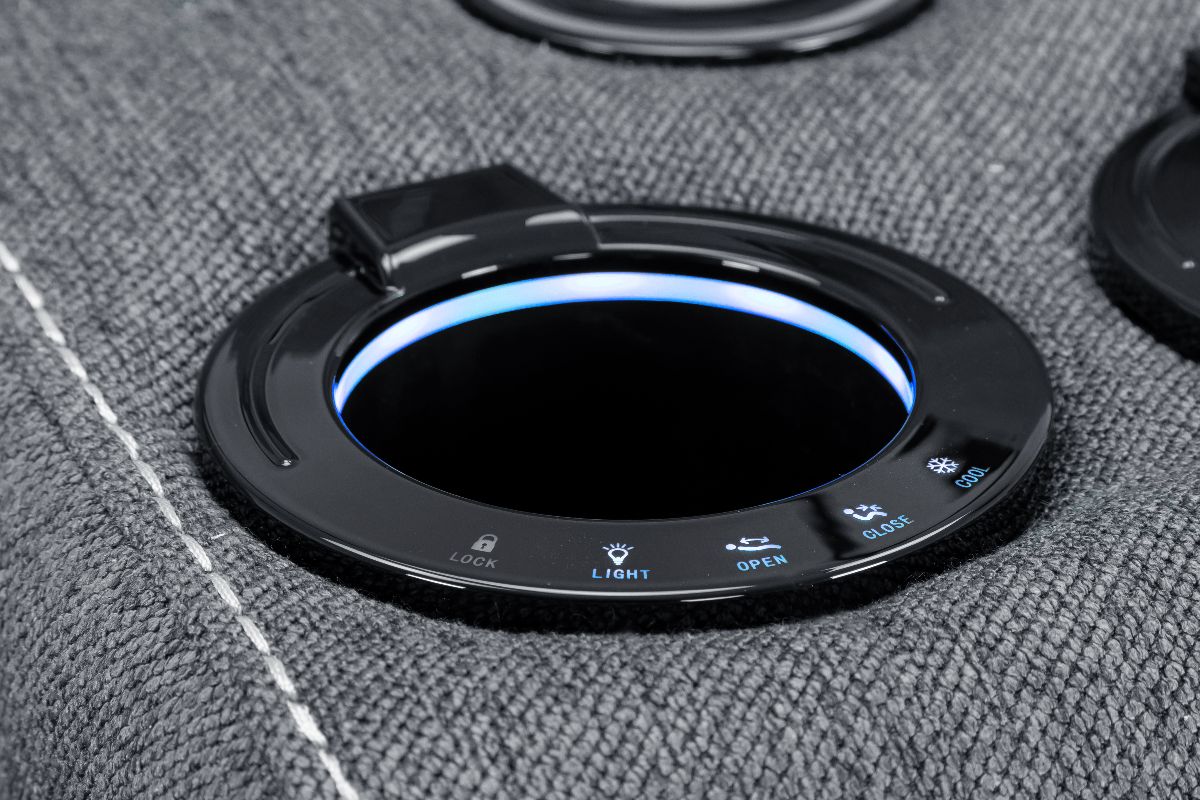
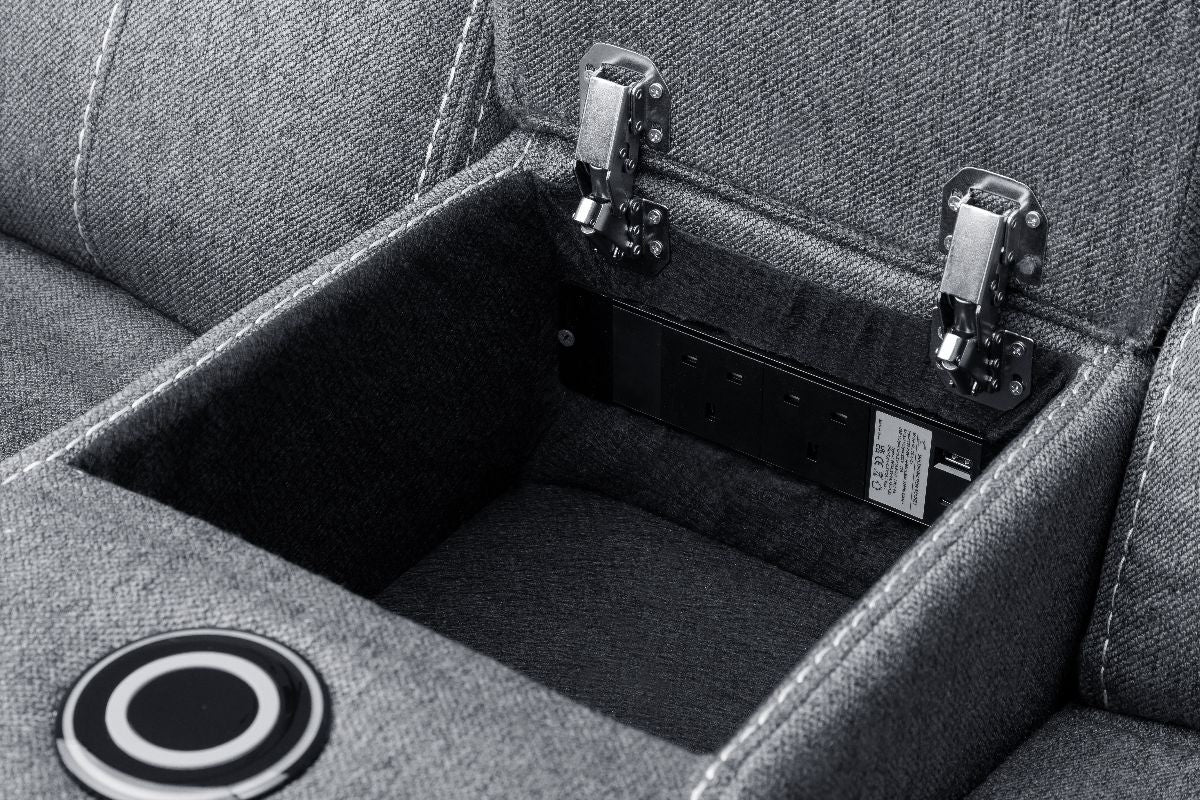
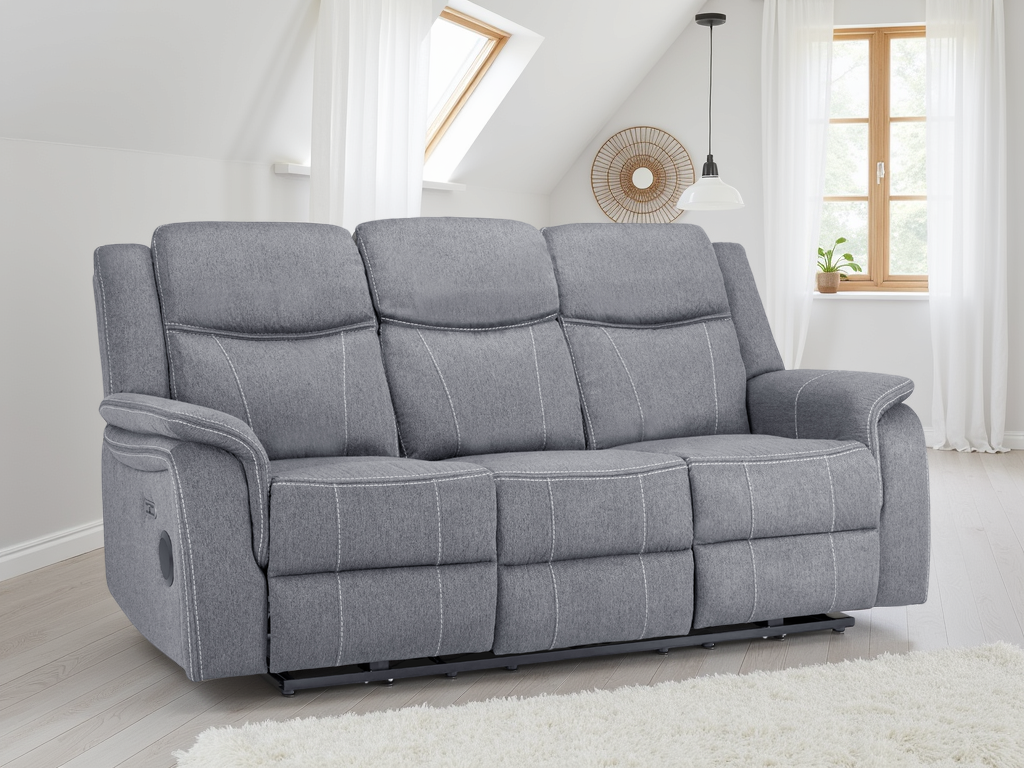
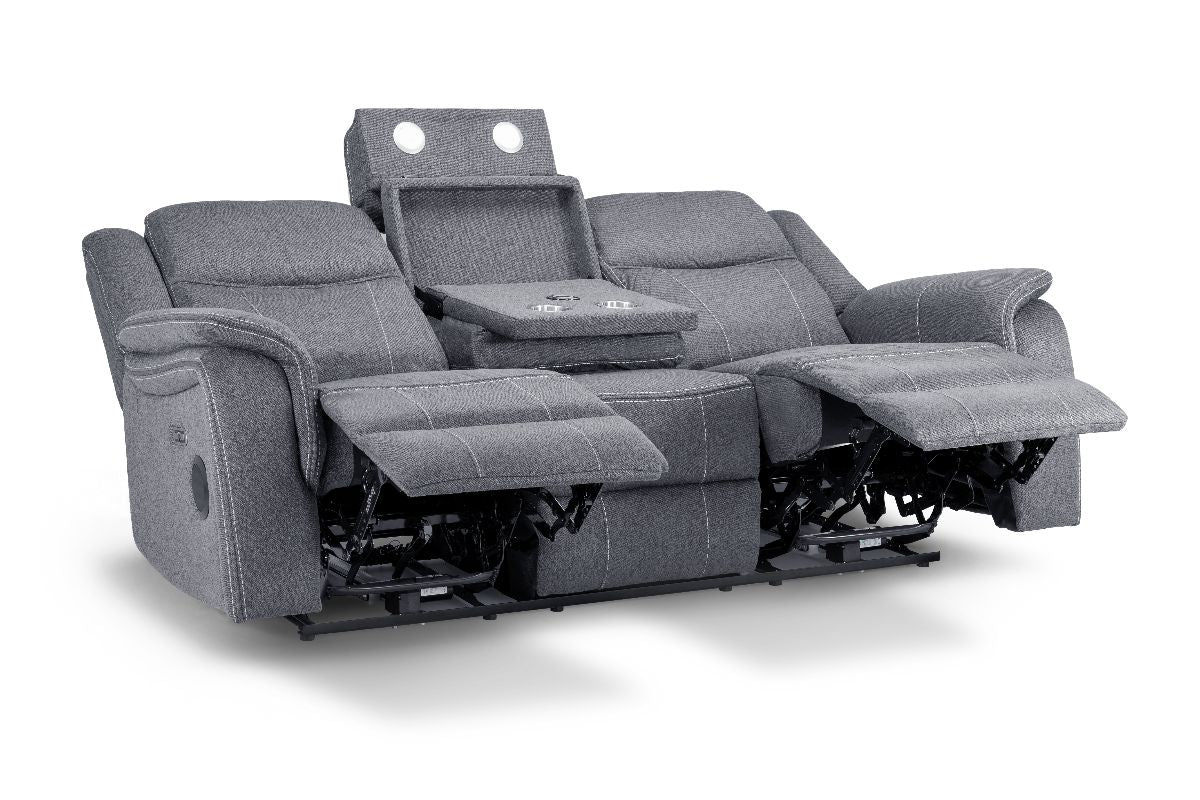
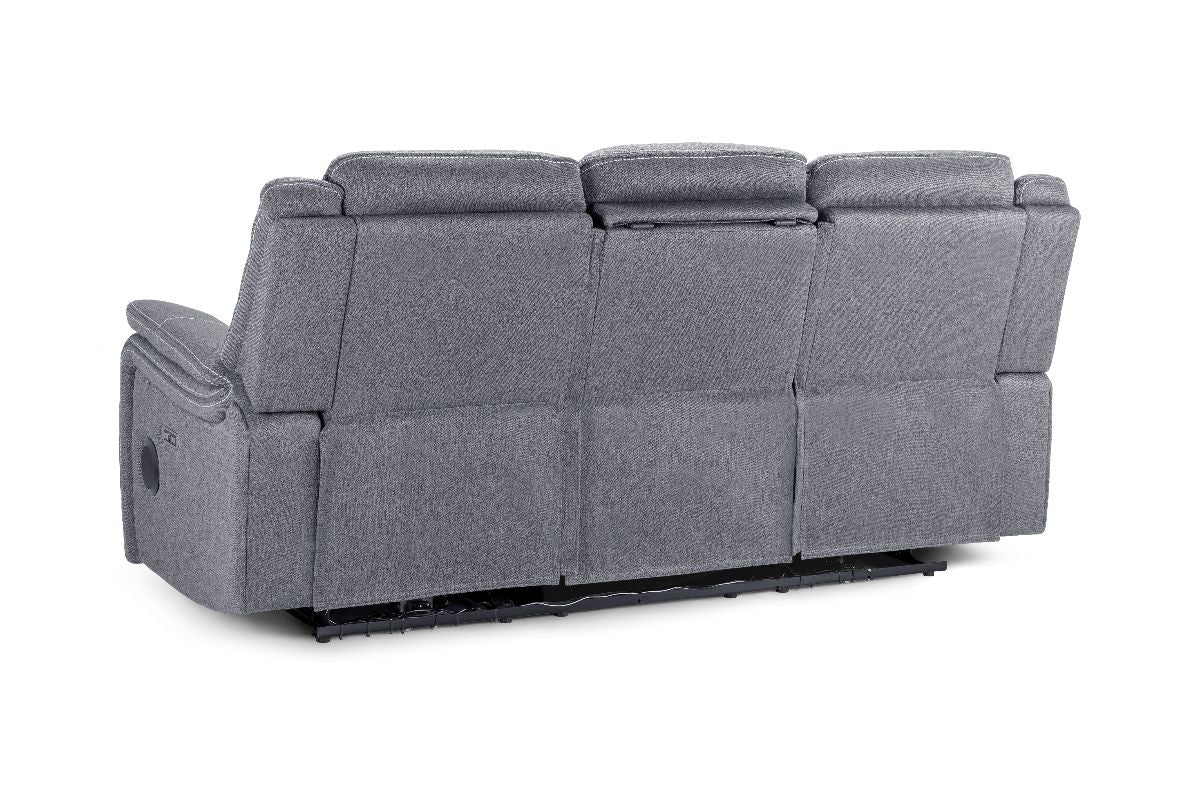
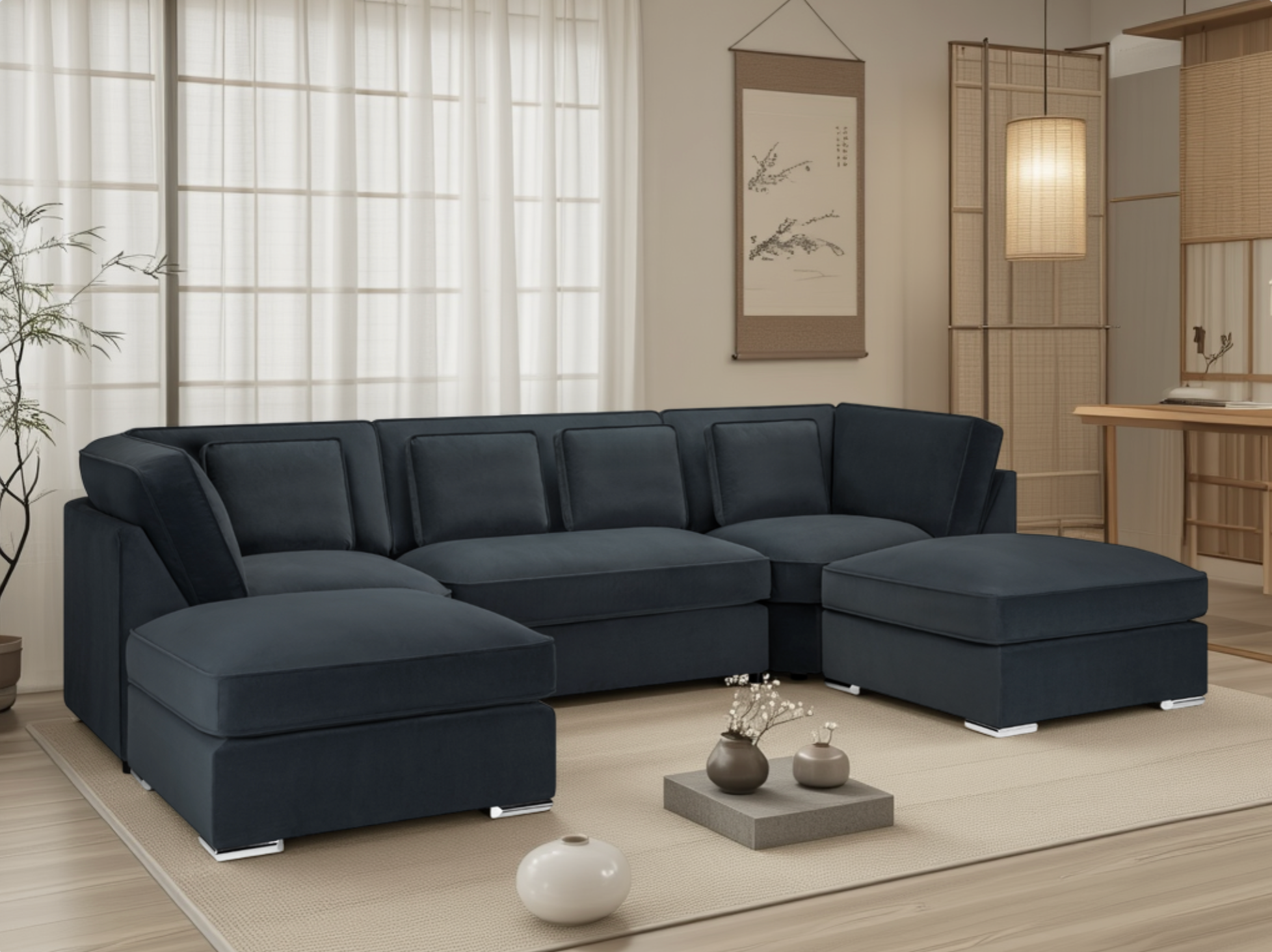
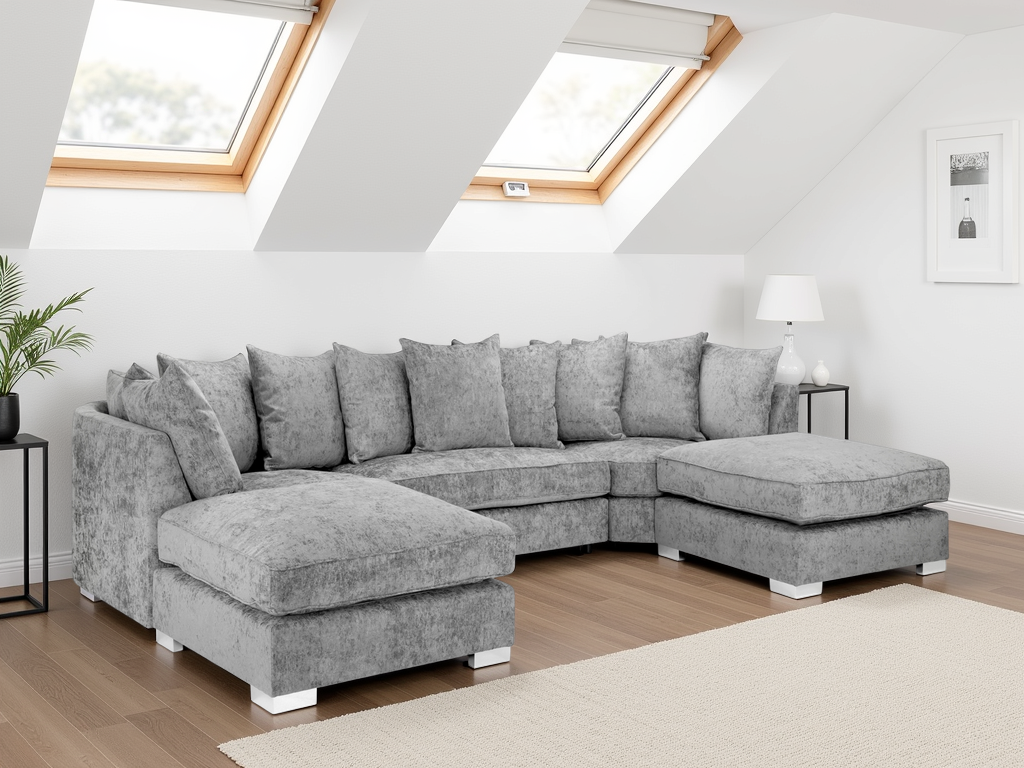
Fabric is the most popular sofa upholstery in the UK — and with good reason. It's breathable, comfortable year-round, available in a wider range of colours and textures than any other material, and at its best in a tightly woven or performance finish, genuinely durable across years of daily household use. At Airedale Living, our fabric sofas span 2-seater and 3-seater configurations through to corner sofas and recliner sofas in fabric upholstery — each one chosen for its build quality and the longevity of the fabric as much as its appearance. Browse the collection above and use the filters to find the right size and finish for your room.

11 products

Fabric vs Leather: Which Is Right for Your Household?

The fabric vs leather decision comes down to four things: comfort, maintenance, appearance, and household circumstances. Getting clear on which of these matters most to you makes the decision straightforward.

Comfort. Fabric wins on breathability — it doesn't retain heat the way leather and leather-effect upholstery does, which means it remains comfortable in all seasons. On a warm summer evening, a fabric sofa stays comfortable where a leather sofa can feel sticky or warm. In colder months, fabric feels warmer and cosier to sit on, whereas leather requires a few minutes to reach body temperature. For households where the sofa is used for extended sitting, film watching, or sleeping, fabric consistently outperforms leather on comfort.

Maintenance. This is where leather has a genuine advantage. Leather wipes clean with a damp cloth; fabric requires vacuuming, spot cleaning, and periodic professional cleaning for deeper marks. That said, modern performance fabrics have substantially narrowed this gap — a tightly woven performance fabric with a stain-resistant treatment is significantly easier to maintain than a loose-weave or open-texture fabric, and holds its own against most household spills when treated promptly. Our full guide to cleaning a fabric sofa covers the techniques in detail, and our stain removal guide handles the specific scenarios most households face.

Appearance. Fabric offers far more variety — more colours, more textures, more aesthetic options than leather or leather-effect upholstery. A woven fabric sofa has a different visual character from a velvet sofa, which is different again from a boucle sofa. This variety is an advantage for buyers with a clear interior vision, and a manageable challenge for those still working out what they want.

Household circumstances. Pets, children, and high-traffic use all favour specific fabric choices. A loose-weave fabric in a household with cats is a genuinely poor choice — claws catch easily. A tight-weave performance fabric in the same household is a much better call. The fabric type matters as much as the fact of choosing fabric.

Understanding Fabric Types: What You're Actually Choosing Between

"Fabric sofa" covers an enormous range of actual upholstery materials, each with different properties, different aesthetics, and different suitability for different households. Here's what the main types actually mean in practice.

Woven fabric (textured weave). The most common and versatile fabric type. Tightly woven upholstery fabrics in a herringbone, twill, or plain weave offer good durability, moderate stain resistance, and a clean, contemporary aesthetic that suits most interior styles. The tighter the weave, the more resistant it is to everyday marks and the easier it is to clean. This is the default choice for everyday use and suits most UK households.

Performance fabric. A step up from standard woven fabric in practical terms. Performance fabrics are specifically engineered for durability and stain resistance — they're treated or woven to repel liquid rather than absorb it, which makes cleaning significantly easier. Many performance fabrics are also pet-hair resistant and UV-stable. If your sofa will see heavy daily use, children, or pets, a performance fabric is the specification worth seeking.

Velvet. Adds richness and depth that woven fabrics can't replicate. The way velvet catches light gives a sofa a genuinely luxurious quality, and in warm tones — particularly deep greys, blues, and greens — the effect is one of the most appealing in upholstered furniture. The trade-off: velvet is more sensitive to marks, pet hair, and direct sunlight (which can fade and crush the pile over time). It suits rooms with moderate use and households without very young children or dogs.

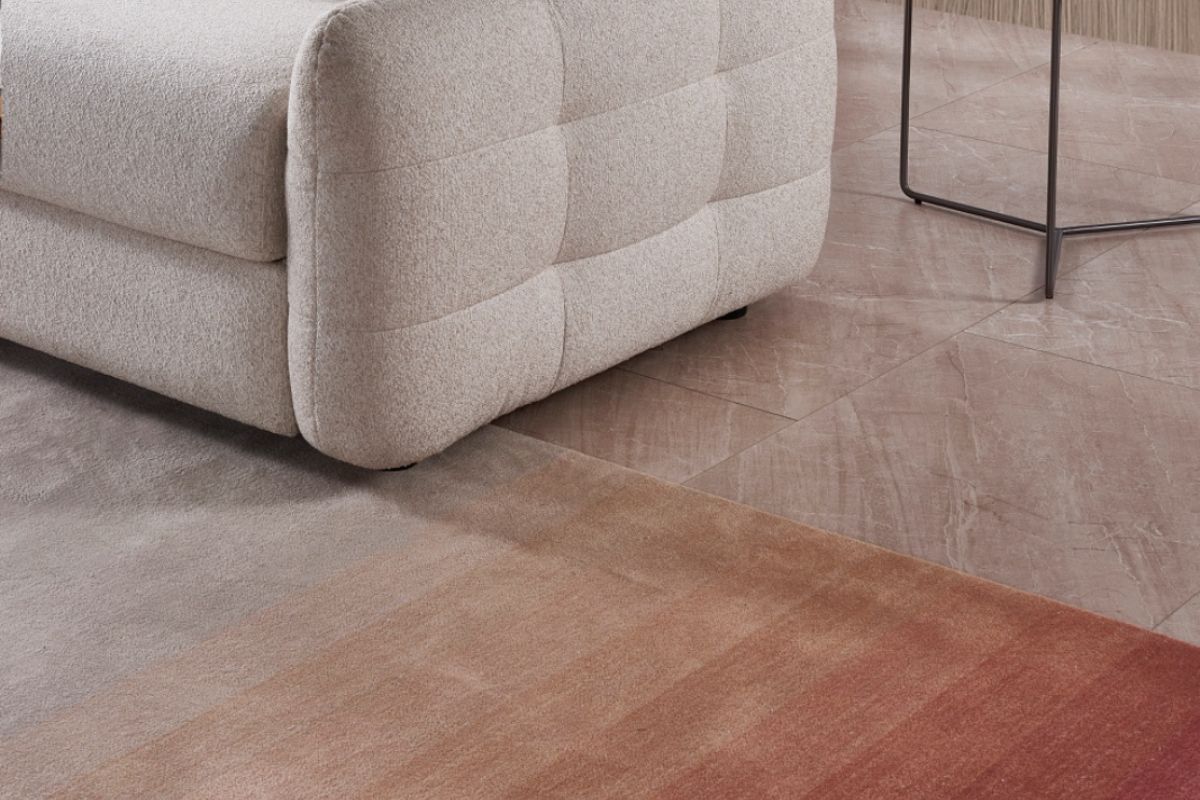
Boucle. The most textural and tactile option. Boucle's looped surface adds visual and physical warmth that no other fabric achieves in quite the same way, and in neutral tones — particularly sandy beige and warm grey — it aligns naturally with the layered, natural aesthetic that defines contemporary UK interior design. It's also more forgiving of everyday marks than velvet, though the looped surface can catch on pet claws and is harder to clean than a tight-weave. Best suited to lower-traffic rooms or households without pets.

Plush (microfibre). An ultra-soft, fine-fibre fabric that feels genuinely luxurious to sit on and has good practical properties — microfibre is relatively easy to clean and holds its appearance well over time. It's less textural than boucle and less lustrous than velvet, but sits in a practical middle ground between the two.

For a broader look at sofa upholstery types and how they compare, our sofa types explained guide covers the full material landscape.

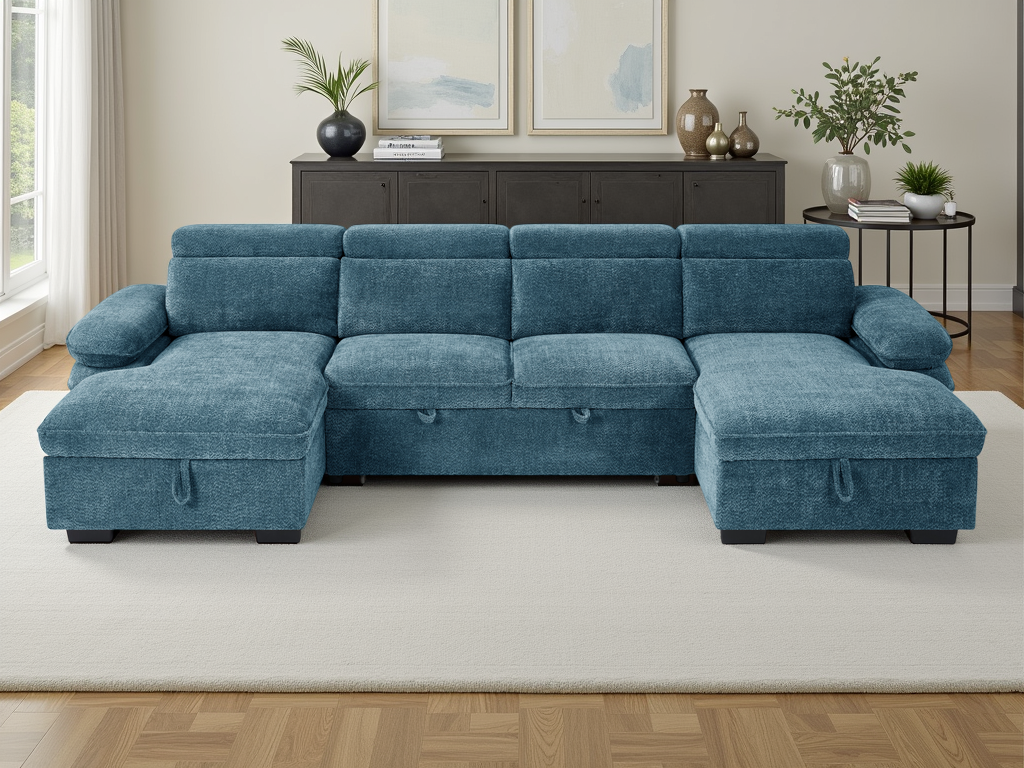
Choosing the Right Fabric Sofa for Your Room and Lifestyle

Once you've settled on a fabric type, the remaining decisions follow the same logic as any sofa purchase — configuration, size, colour, and back style.
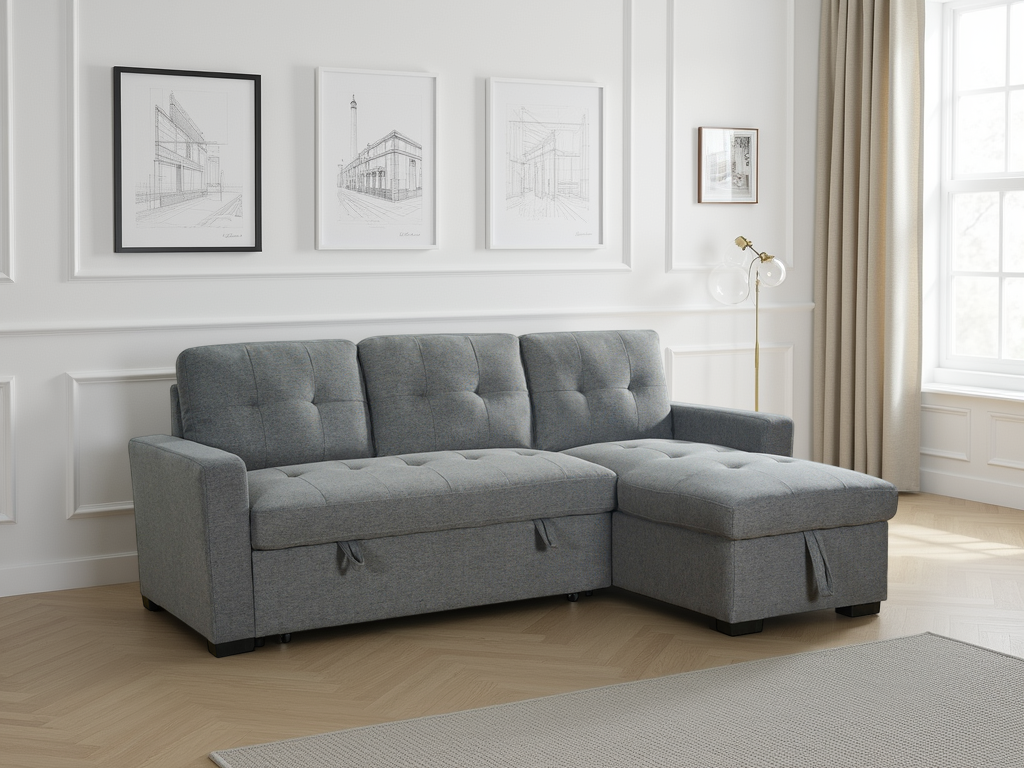
For families with children or pets: A tight-weave performance fabric in a mid-neutral — grey or warm beige — is the most practical combination in the range. The tight weave resists surface marks and pet hair better than any open or looped texture; the mid-neutral conceals everyday use better than cream or very pale colours. A scatterback configuration gives you the flexibility to rearrange cushion support as needed; a cushion or fixed back is easier to keep tidy day to day.
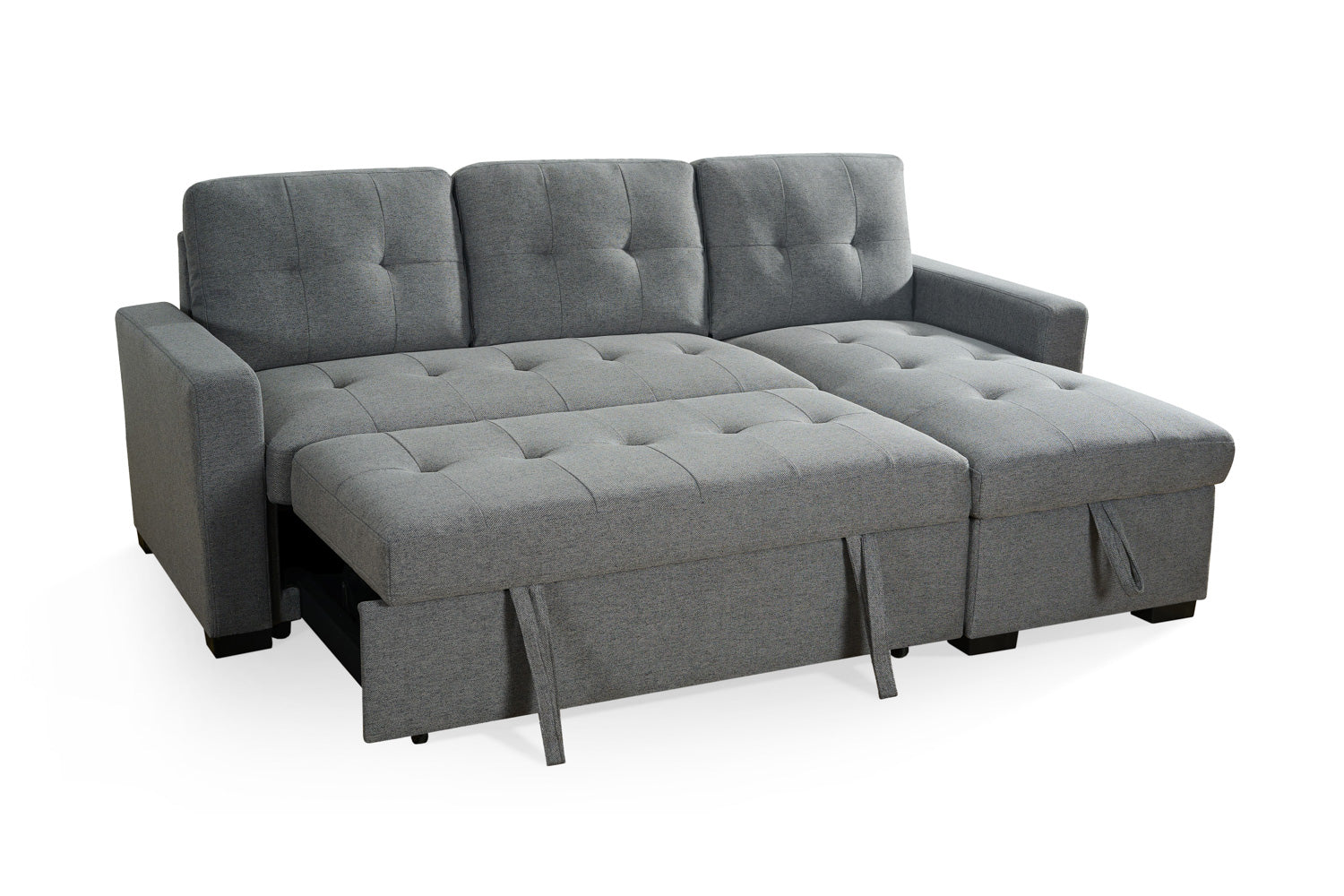
For a more formal or considered interior: Velvet or boucle in a deeper or more characterful colour — slate grey, warm graphite, camel — suits rooms where the sofa is a statement piece as much as a functional one. These fabrics reward considered interior styling and look particularly good alongside warm lighting, natural textures, and deliberate colour pairings. See our guide on what colours go with a grey sofa for practical styling direction.

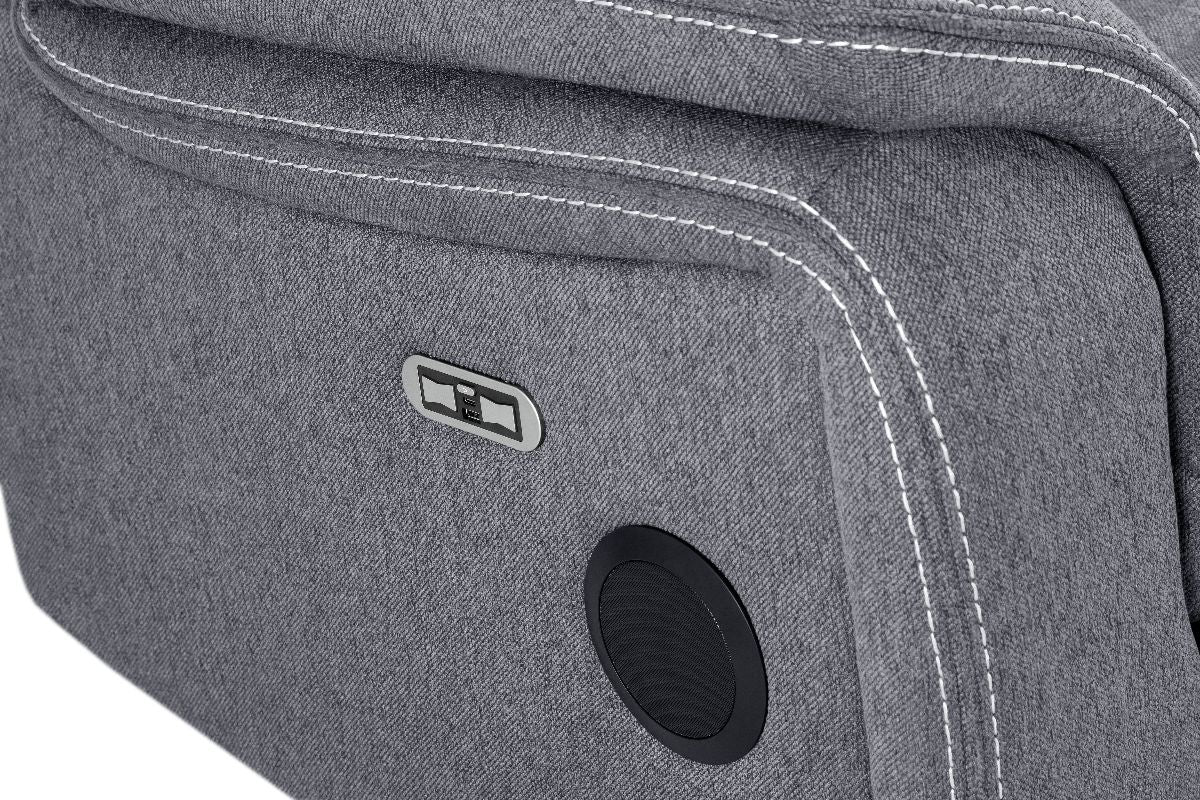
For a recliner sofa in fabric: A fabric recliner combines the postural and comfort advantages of a reclining mechanism with the breathability and warmth of fabric upholstery. Our recliner sofas collection covers both fabric and leather-effect options — fabric is consistently the more popular choice for recliners in everyday living rooms, where the sofa is used for extended periods and breathability matters.

A complementary armchair in the same or a closely related fabric creates a cohesive seating arrangement without the room looking like a showroom set. Choose the same fabric type — two woven weave pieces, or two velvet pieces — and vary the tone slightly for a more considered result than an exact match.

Caring for Your Fabric Sofa

A fabric sofa kept in good condition over its lifetime gives you ten to fifteen years of comfortable, good-looking seating. The maintenance isn't onerous — but it is consistent.

Weekly: Vacuum the seat cushions, back cushions, and sofa frame using an upholstery attachment. This removes dust, skin cells, and surface debris before they work into the fabric weave. Rotate and plump seat cushions to even out wear.

As needed: Treat spills immediately by blotting from the outside in with a clean, dry white cloth. Never rub — rubbing spreads the stain and works it deeper into the fabric. For most common spills (drinks, food), blotting removes the majority of the liquid before it sets.

Periodically: Use a dedicated fabric upholstery cleaner for marks that blotting alone doesn't fully remove. Test any cleaning product on a hidden area of the sofa first — backs of cushions, under the seat — before applying to a visible area. Our complete fabric sofa cleaning guide covers every step in detail.

Browse our best sellers to see which fabric sofa models our customers choose with the most confidence, or explore new arrivals for the latest additions to the range. The full sofas collection spans fabric alongside all other upholstery types if you're still comparing.

Every Airedale Living fabric sofa is built on a hardwood frame with high-resilience foam seating — designed to hold its shape and its comfort across years of genuine use. Free UK delivery, in-room assembly by our two-person team, a 5-year frame guarantee, and free returns are all included as standard.

Browse the fabric sofa collection above — and find the finish that suits your room and your household.

Frequently Asked Questions

It depends on your household. For families with children or pets, a tightly woven performance fabric offers the best balance of durability, stain resistance, and appearance. For lower-traffic rooms or more formal spaces, velvet offers a richer, more luxurious quality. Boucle is the most textural option and works well in rooms with a natural, layered aesthetic. Plush microfibre sits between velvet and boucle — softer than a woven weave, more practical than velvet. In most everyday households, a tight-weave fabric in a mid-neutral tone is the most reliable long-term choice.

Yes with the right approach. Regular vacuuming with an upholstery attachment keeps dust and surface debris from working into the weave. Spills should be blotted immediately with a dry white cloth rather than rubbed. Dedicated fabric upholstery cleaners handle most stains when applied correctly and tested on a hidden area first. Performance fabrics with a stain-resistant treatment are significantly easier to clean than standard fabrics. Our full fabric sofa cleaning guide covers the process step by step, and our stain removal guide handles specific spill scenarios.

It depends on what you're prioritising. Fabric is more breathable and comfortable across all seasons — it doesn't retain heat in summer or feel cold in winter. It offers a far wider range of colours and textures. Leather and leather-effect upholstery is easier to wipe clean and maintains its appearance with less maintenance effort. For everyday comfort and aesthetic variety, fabric has the advantage. For low-maintenance cleaning and a sleek, contemporary look, leather-effect may be the better call. Most UK households choose fabric for the living room sofa.

It depends on the specific fabric. A tightly woven performance fabric is a strong choice for pet-owning households — it resists surface marks, repels liquid, and is easier to vacuum free of pet hair than loose-weave or textured fabrics. Avoid velvet and boucle if you have cats — the looped or pile surface catches on claws and shows scratching far more readily than a flat weave. Mid-toned neutrals conceal pet hair and everyday marks significantly better than very pale or very dark fabrics.

In a small room, fabric type and colour both matter. Choose a tight-weave fabric in a light to mid-toned neutral — pale grey or warm beige — to keep the room feeling open rather than visually heavy. Avoid very dark or heavily patterned upholstery, which can make a small sofa look larger than it is and the room feel more enclosed. A slim-profile 2-seater or a compact corner sofa in a light fabric is often the most effective combination for a smaller living room. Our grey sofas collection covers the most popular fabric options in the most space-friendly colourway.