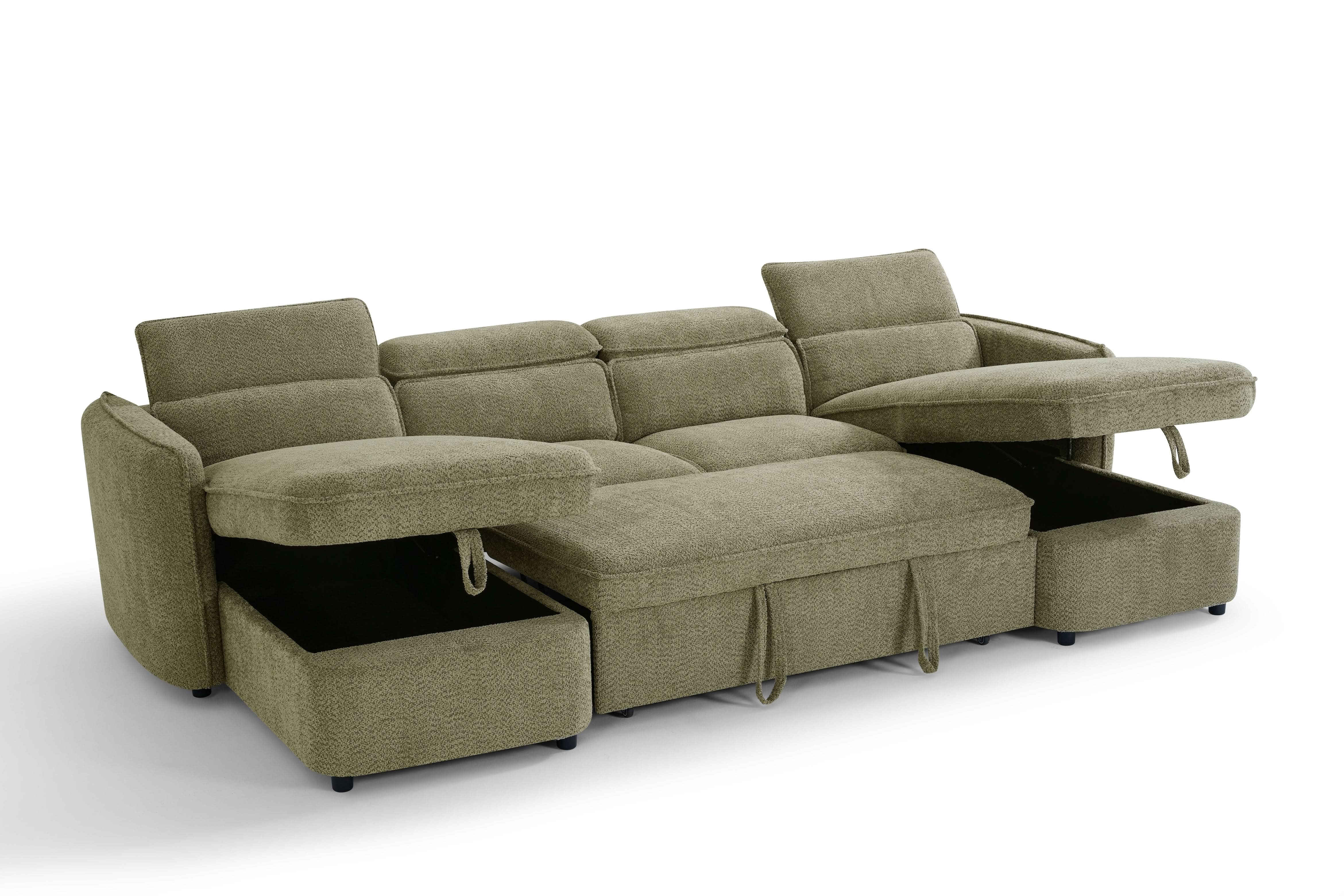
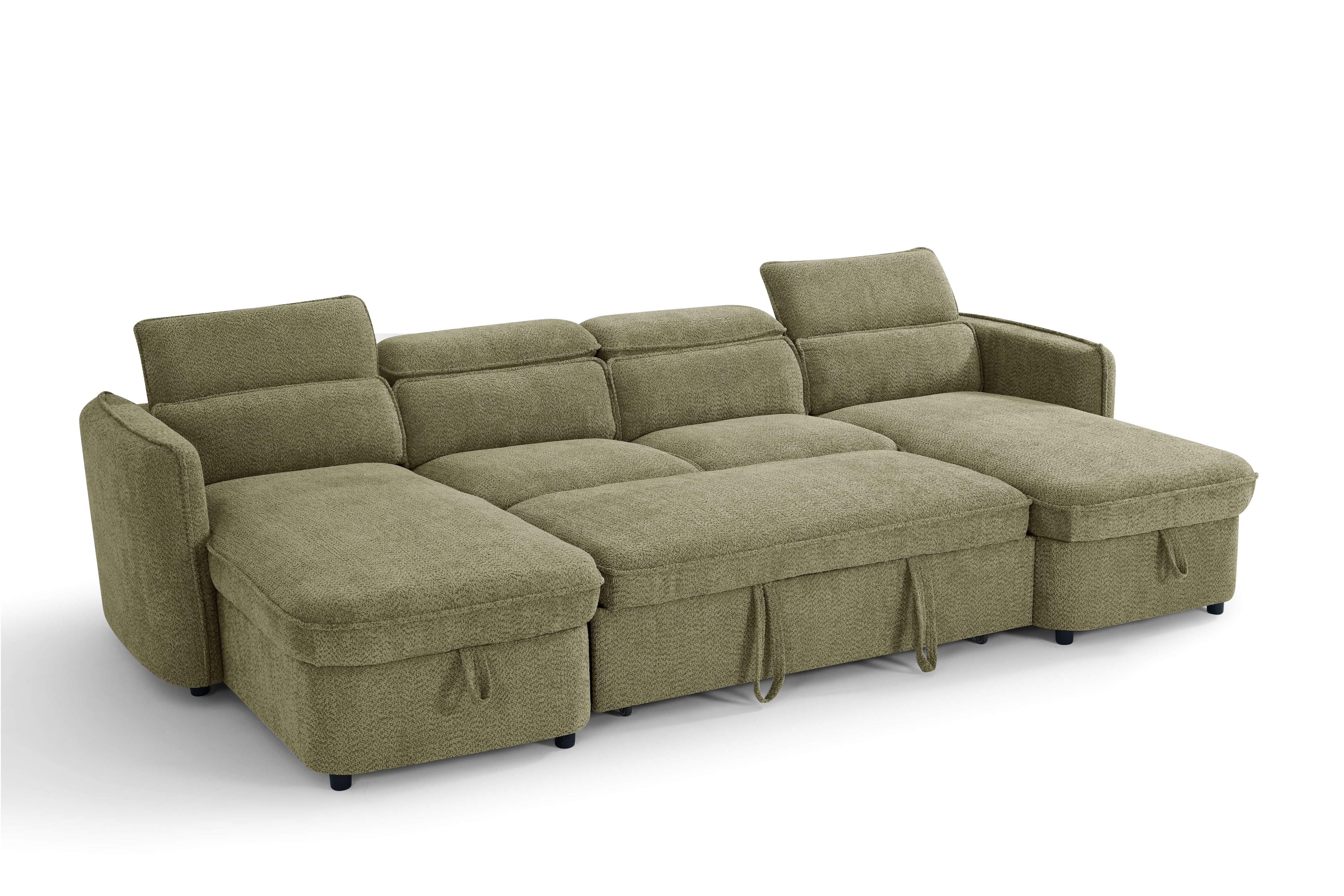
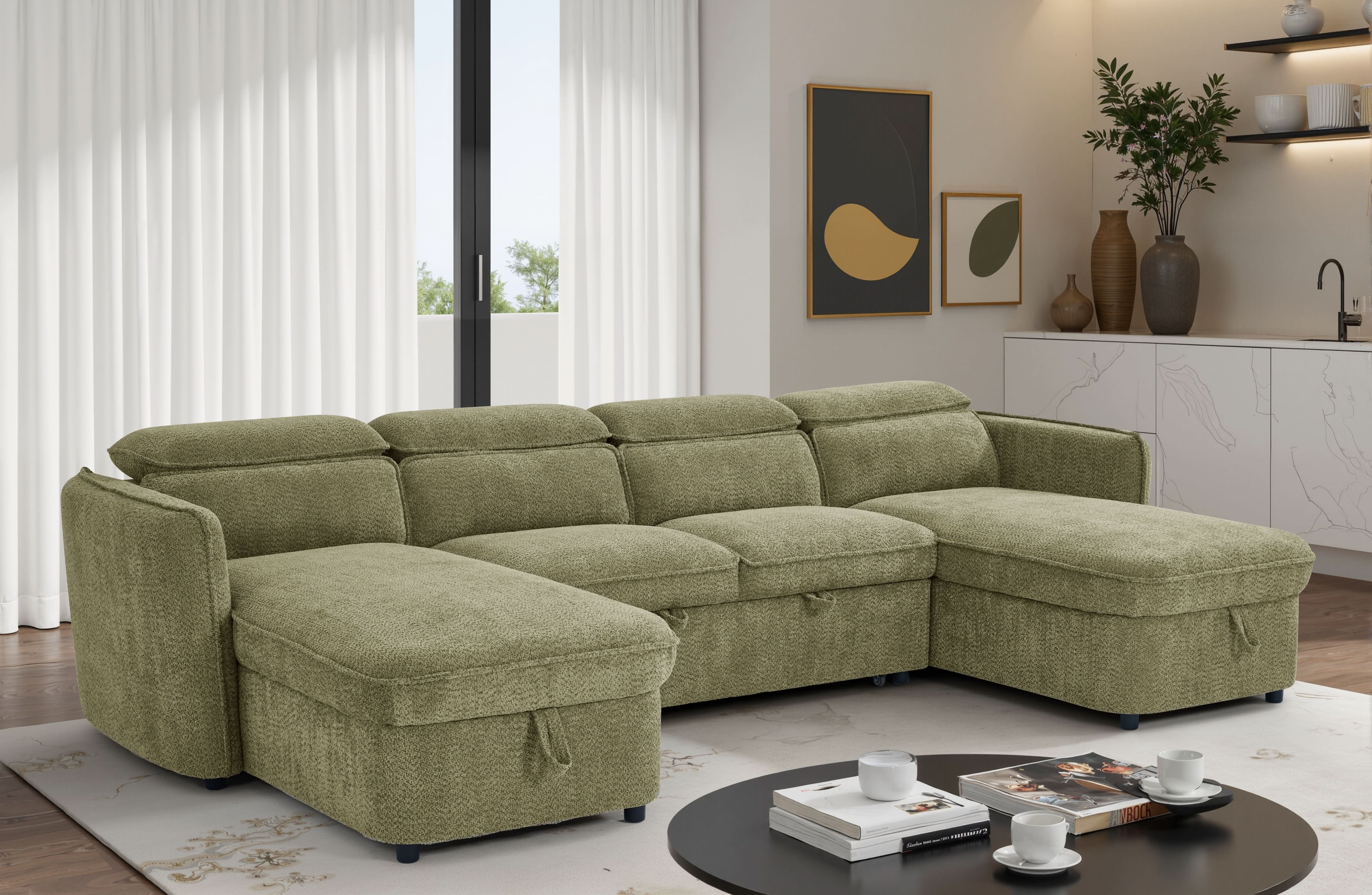
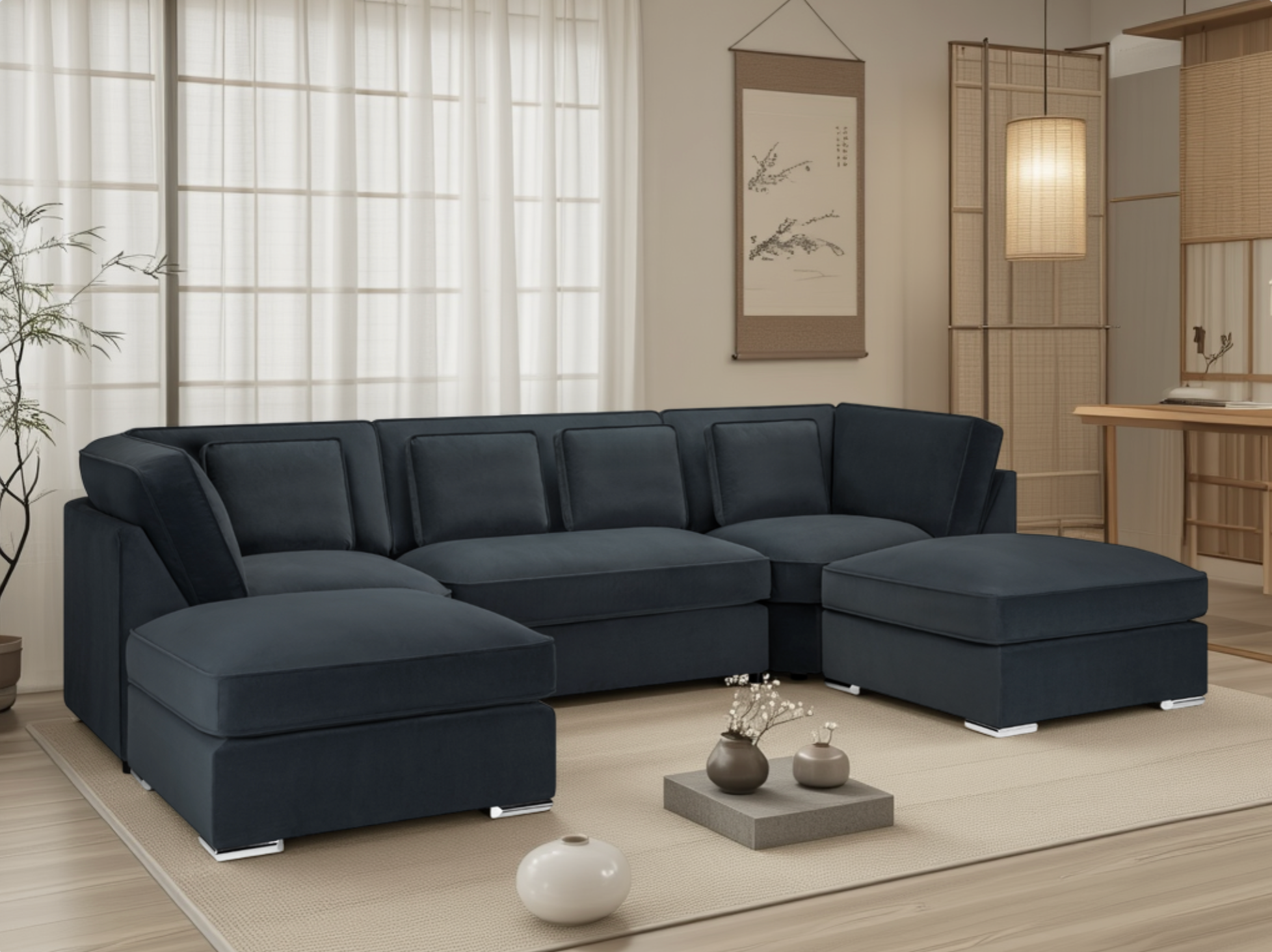
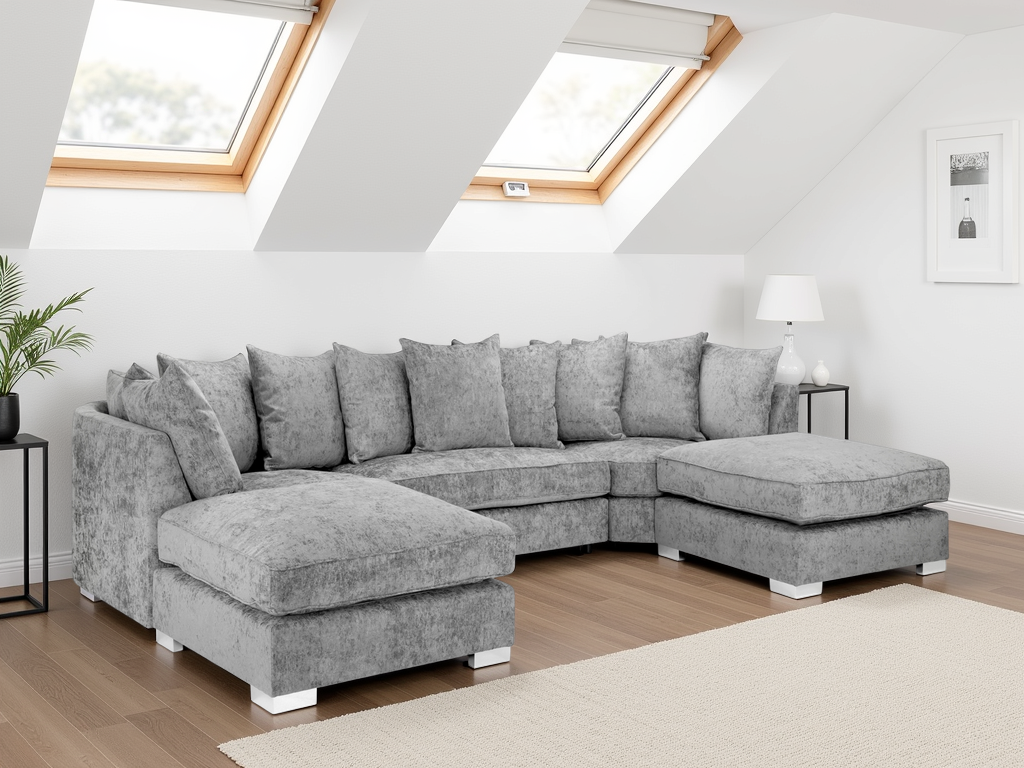
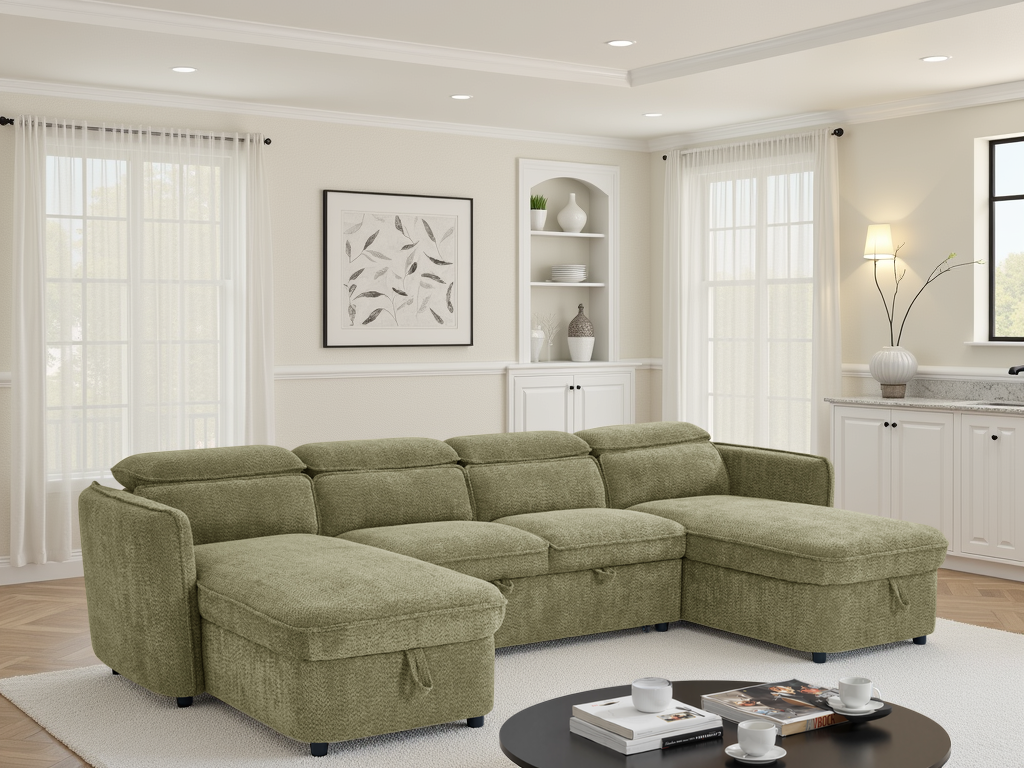
Green sofas have become one of the most sought-after sofas in UK homes and it's easy to understand why. It brings the calming, grounding quality of nature into a living room in a way that no other colour quite achieves, while offering a range of shades wide enough to suit every interior style from minimal to maximalist. At Airedale Living, our green sofas span the full shade spectrum from muted sage and earthy olive through to rich forest green and jewel-toned emerald — across configurations from 2-seaters and 3-seaters through to corner sofas and sofa beds. Browse the collection above and use the filters to find the right shade and size for your room.

13 products

Green Sofas: Why Shade Is Everything

Green is not a single design decision — it's a family of distinctly different ones. The gap between a sage green sofa and an emerald green sofa is as significant as the difference between a mid-grey and a deep charcoal: they share a colour name but create entirely different rooms. Choosing the right shade of green before browsing individual sofas is the most important step in this purchase, and it's the step that most green sofa content skips.

Green sofas surged in popularity following the interiors movements of the early 2020s — the growing appetite for natural, biophilic design that brought indoor plants, natural materials, and earthy colour palettes into mainstream UK homes. Green is the most direct expression of that shift in upholstered furniture: it connects a room to nature without requiring structural changes or an entirely new interior scheme.

The reason green works so well in so many rooms is its relationship with the materials already common in UK interiors — warm wood flooring, woven natural rugs, linen curtains, rattan accessories. Green is the sofa colour that feels most at home alongside all of these, which is why it reads as effortless in rooms where neutral-coloured sofas can sometimes look underdressed.

For broader guidance on how characterful sofa colours interact with the rest of the room, our guide to sofa colours and styling combinations covers green alongside olive, teal, and other nature-inspired shades.

Understanding Green Sofa Shades: Which One Is Right for Your Room?

Sage green is the most popular green sofa shade in the UK — and for good reason. It's a muted, grey-toned green that sits close to neutral on the colour spectrum, which means it brings character without the commitment of a saturated colour. Sage reads as calm and understated in most rooms, suits Scandi, minimal, and nature-inspired interiors naturally, and is forgiving of imperfect surrounding colour choices. It works particularly well in rooms with white or warm grey walls, pale wood floors, and linen or cotton soft furnishings. If you're new to colour in upholstered furniture and want to start somewhere considered, sage is the most reliable entry point.

Olive green sits warmer than sage — closer to khaki and earthy brown in its undertone. It's a less obviously "green" shade and more of a complex earthy tone that reads differently under different lighting conditions. In natural daylight it can appear quite green; under warm artificial light it shifts toward a warm, almost golden tone. This complexity makes it particularly well-suited to rooms with warm wood tones, terracotta accessories, and layered, organic materials. Olive is the green shade most associated with the Wabi-Sabi and earthy maximalist aesthetics that remain popular in UK interiors.

Forest green and deep green make a more confident statement. These are saturated, rich greens with a depth that sage and olive don't have. A forest green sofa in a room with pale walls and natural wood flooring creates a dramatic but grounded contrast — the kind of interior that photographs strikingly and makes a lasting impression in person. Forest green in velvet is one of the most luxurious fabric and colour combinations in upholstered furniture, and one that earns its place as a centrepiece without any further decoration being required.

Emerald green is the most jewel-toned option — a bright, vivid, saturated green with a clarity and richness that puts it firmly in the statement category. An emerald sofa demands a room that's been designed around it: pale or white walls, restrained surrounding furniture, and deliberate accent colours (deep navy, warm brass, dusty pink). It's the most dramatic of the green family and the one that rewards interior confidence most. In the right room it's spectacular; in the wrong room it can feel overwhelming.

What Colours Go With a Green Sofa?

Green's relationship with surrounding colours is one of its greatest strengths as a sofa choice — it pairs naturally with a wide range of tones while remaining coherent and distinctive. Here's what works, shade by shade.

With sage green: Warm white and cream walls keep the palette calm and airy. Natural textures — jute, rattan, linen, unbleached cotton — are ideal companions. Blush pink and dusty rose add a gentle warmth that sits beautifully beside the cool of sage. Warm brass and aged copper in lighting and accessories add richness without disrupting the palette's softness.

With olive green: Terracotta and burnt orange are the natural partners — the warm, earthy quality of olive responds to these tones with an organic coherence that feels deeply settled and intentional. Deep mustard and ochre work similarly. Warm wood flooring is essentially obligatory — olive on pale stone flooring can read slightly cold, but on oak or walnut it feels entirely right. Off-white walls rather than bright white prevent the combination from feeling stark.

With forest and deep green: White walls and pale wood floors allow the green to dominate without the room feeling dark. Gold and warm brass in lighting create a combination that reads as quietly luxurious. Cream and warm stone accessories provide contrast without competing. Deep navy as an accent colour alongside forest green creates a rich, layered palette that suits both traditional and contemporary interiors.

With emerald: Keep everything else restrained. White walls, minimal surrounding furniture, a pale natural rug — let the sofa do its work without competition. Warm brass is the best metallic companion. Dusty pink and blush as secondary accents add warmth while respecting the emerald's dominance.

For cushions on any green sofa: Warm neutrals — cream, warm white, sand — create cohesion. Terracotta and rust create contrast. For forest and emerald greens, a deep navy or dusty pink cushion adds depth. Avoid matching the sofa colour exactly in cushions — a slight tonal shift or texture difference always reads better than uniformity. A complementary armchair in a warm neutral alongside a green sofa creates a seating arrangement that feels composed without matching.

Explore the Full Range

If you're weighing up green against other characterful or neutral sofa colours before committing, our wider range has options across every shade family. Grey sofas are the most versatile neutral. Beige sofas bring warmth. Black sofas make the boldest neutral statement. The full sofas collection covers every colourway, configuration, and size if you're still comparing broadly.

Browse our best sellers to see which models our customers choose with the most confidence, explore new arrivals for the latest additions to the green range, or check our sale collection for current offers.

Every Airedale Living green sofa is built on a hardwood frame with high-resilience foam seating — designed to hold its colour, its shape, and its character across years of genuine daily use. Free UK delivery, in-room assembly by our two-person team, a 5-year frame guarantee, and free returns are all included as standard.

Frequently Asked Questions

Yes green is one of the most rewarding sofa colour choices in UK interior design right now, and has been consistently growing in popularity since the early 2020s. It brings the calming, grounding quality of nature into a living room while offering genuine character that neutral colours can't match. The key is choosing the right shade for your room — sage for calm, understated interiors; olive for earthy, warm aesthetics; forest green for a rich, dramatic statement; emerald for a jewel-toned centrepiece. Green also pairs naturally with the warm wood tones, natural textures, and earthy materials common in UK homes.

The main green shades for sofas each suit different rooms and interior styles. Sage green is the most versatile — muted, calm, and forgiving of surrounding colour choices. Olive is warmer and more earthy, suiting rooms with terracotta accents and warm wood floors. Forest green and deep green are rich and dramatic, creating a strong centrepiece particularly effective in velvet. Emerald is the most jewel-toned option, demanding a restrained surrounding room to let it perform at its best. For a first green sofa, sage or olive are the most reliable starting points; for maximum visual impact, forest green or emerald reward interior confidence.

Green pairs naturally with warm neutrals (cream, warm white, sand), warm wood tones in flooring and furniture, terracotta and burnt orange accents, warm brass and copper metallics, and blush pink or dusty rose for a softer approach. The best pairing depends on the shade of green: sage suits blush and warm white; olive suits terracotta and mustard; forest green suits gold brass and cream; emerald suits warm brass and restrained neutrals. As a general rule, introduce warmth through accessories and textures rather than competing colours — green sofas look their best when the surrounding room doesn't compete with them.

For sage and olive sofas, warm neutrals — cream, oatmeal, warm white — create a calm, cohesive arrangement. Blush pink or terracotta cushions add warmth without clashing. For forest green and emerald sofas, a mix of warm cream and dusty rose or deep navy creates depth. As a general principle: avoid matching cushion colours exactly to the sofa — a tonal shift or a different texture adds more dimension than uniformity. Velvet cushions on a fabric sofa, or linen cushions on a velvet sofa, add the textural contrast that makes a green sofa arrangement feel considered rather than coordinated.

Yes and the trajectory suggests they're not going anywhere soon. Green sofas have been one of the most consistently featured sofa colours in UK interior design since the early 2020s, driven by the broader movement toward biophilic design, natural materials, and earthy colour palettes. Unlike trend-led colours that peak and retreat quickly, green's appeal is rooted in its connection to nature and its compatibility with the warm, layered, textural interiors that continue to define UK home design. Muted shades like sage and olive in particular have a longevity that more saturated trend colours rarely achieve.