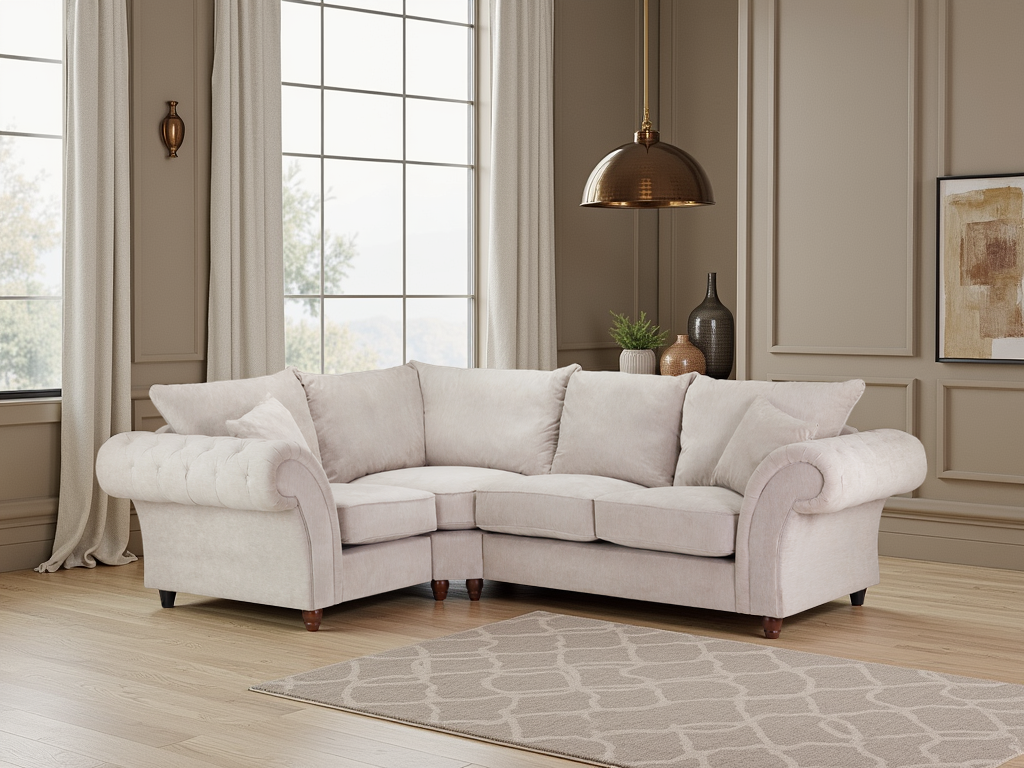
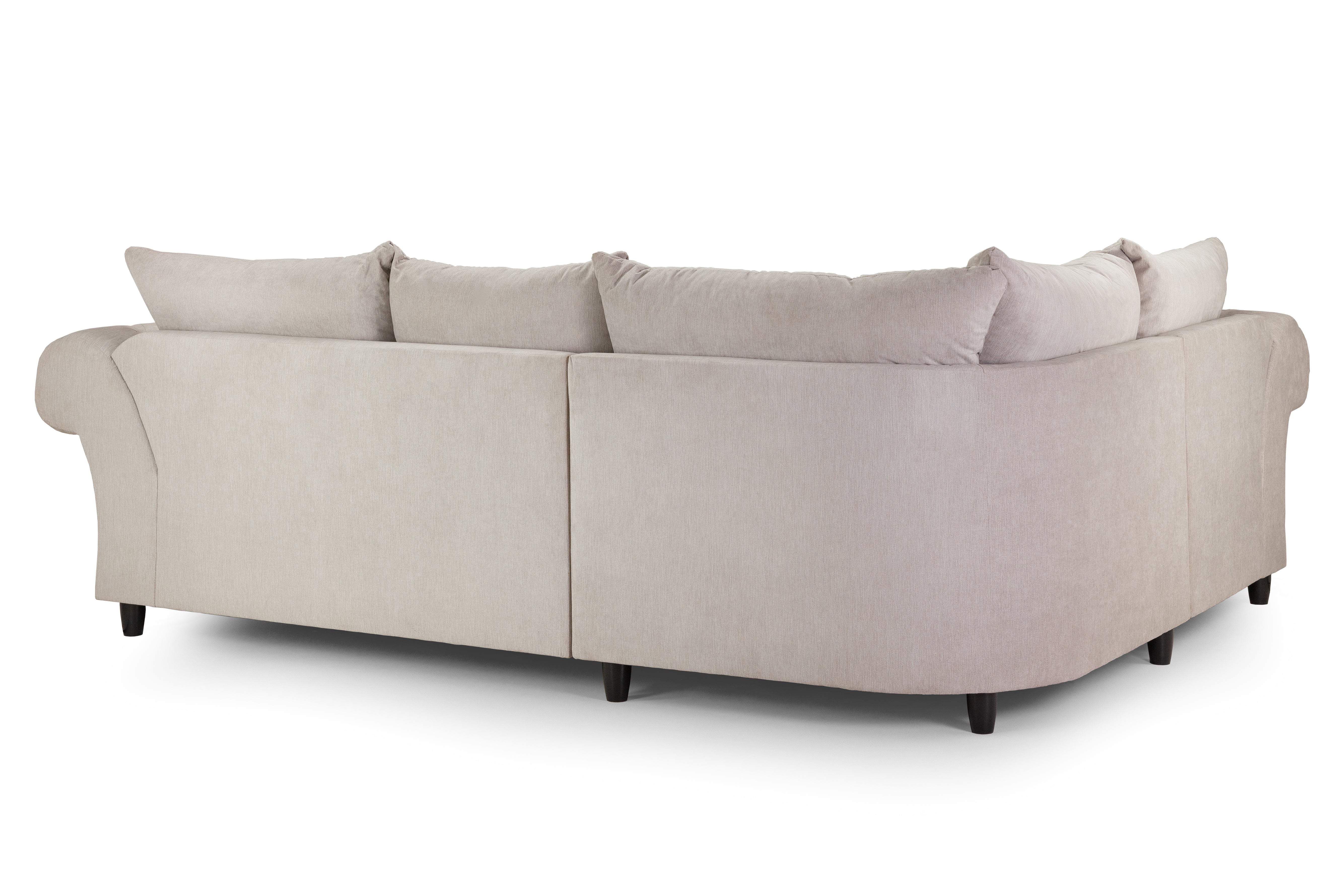
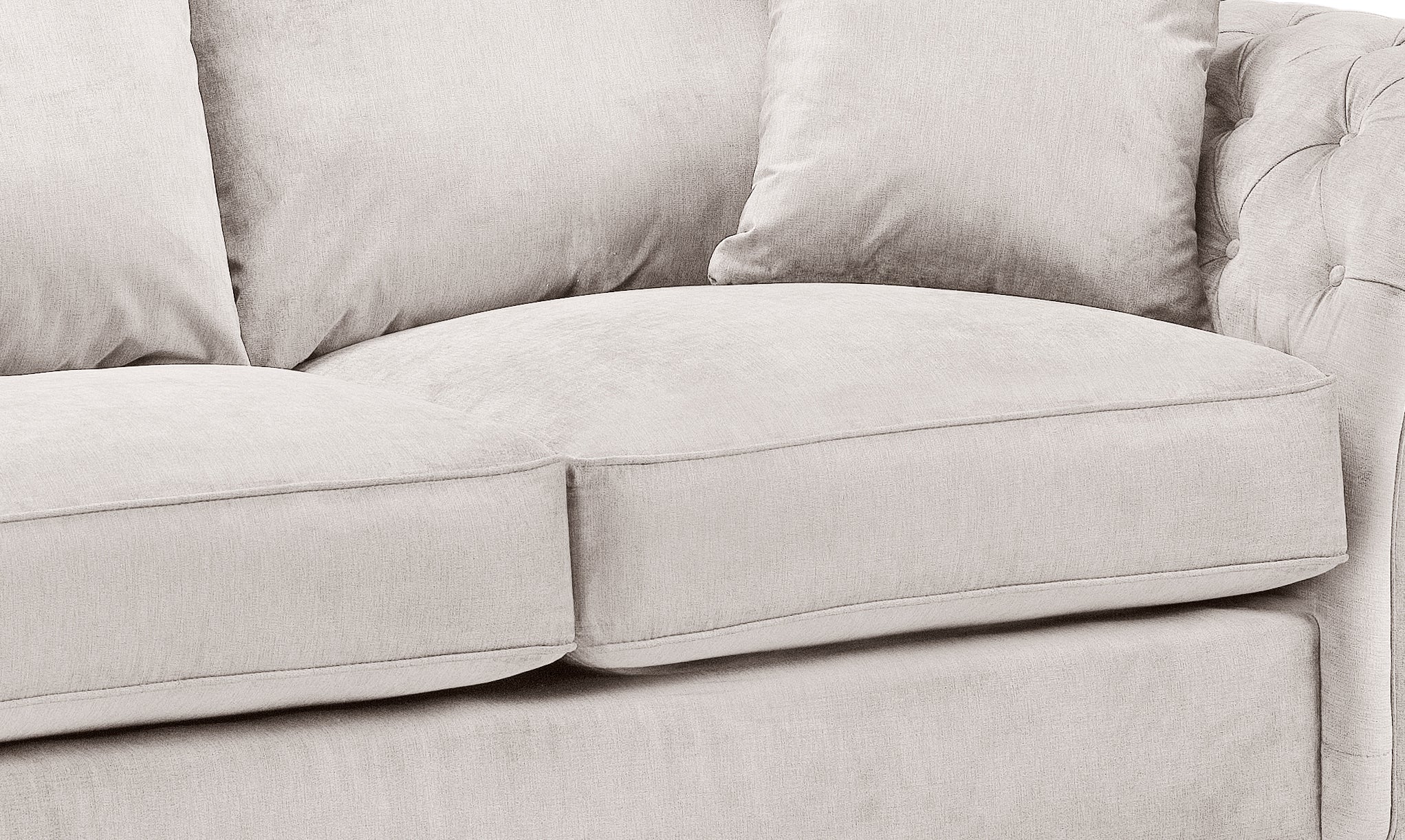
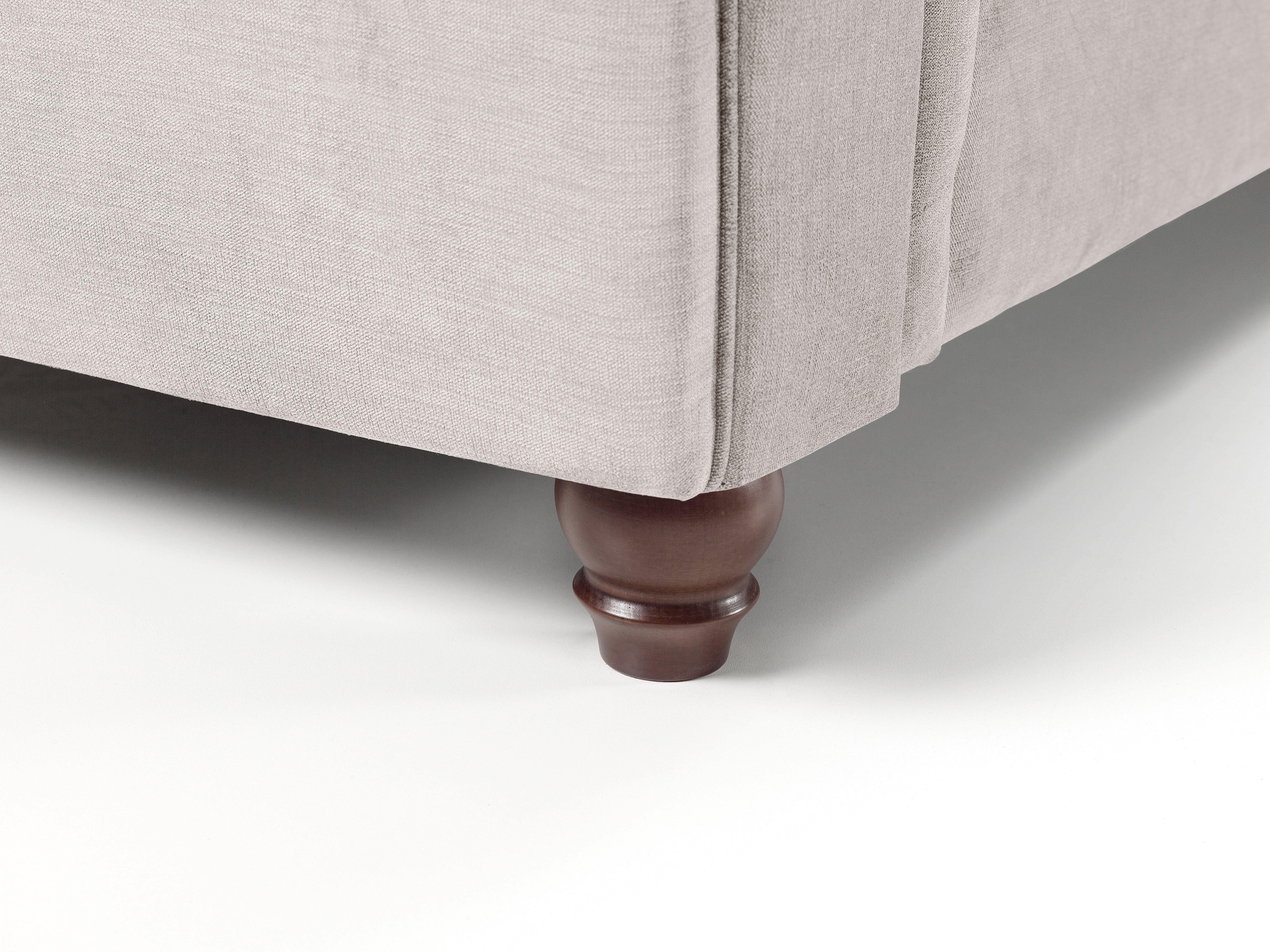
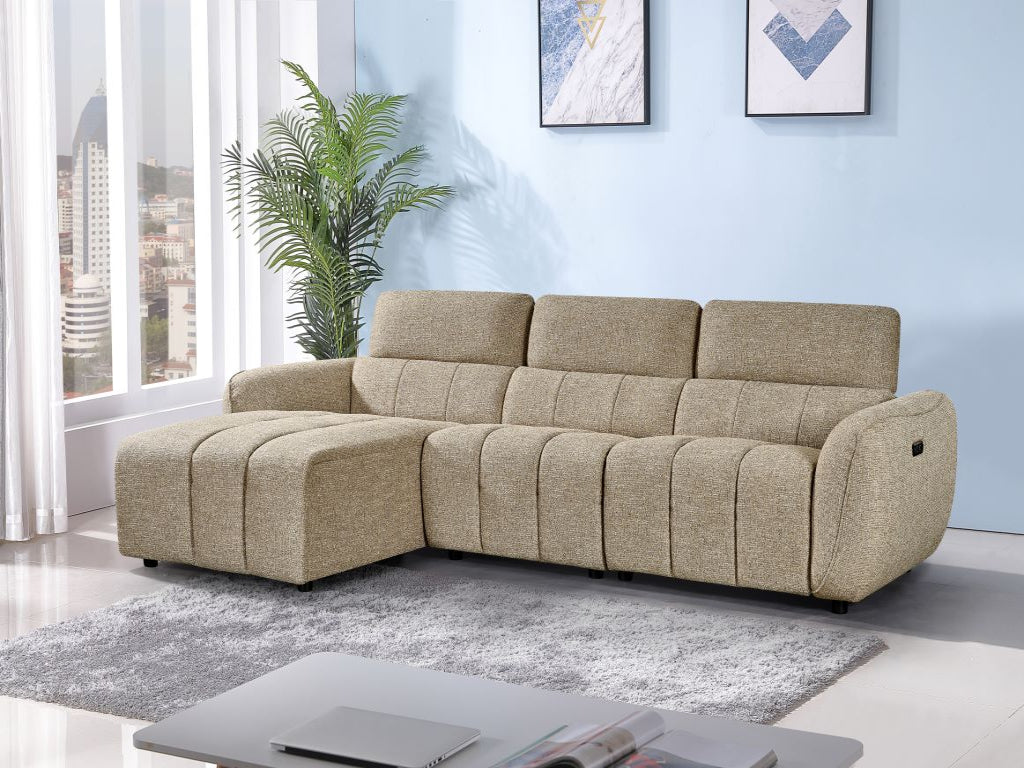
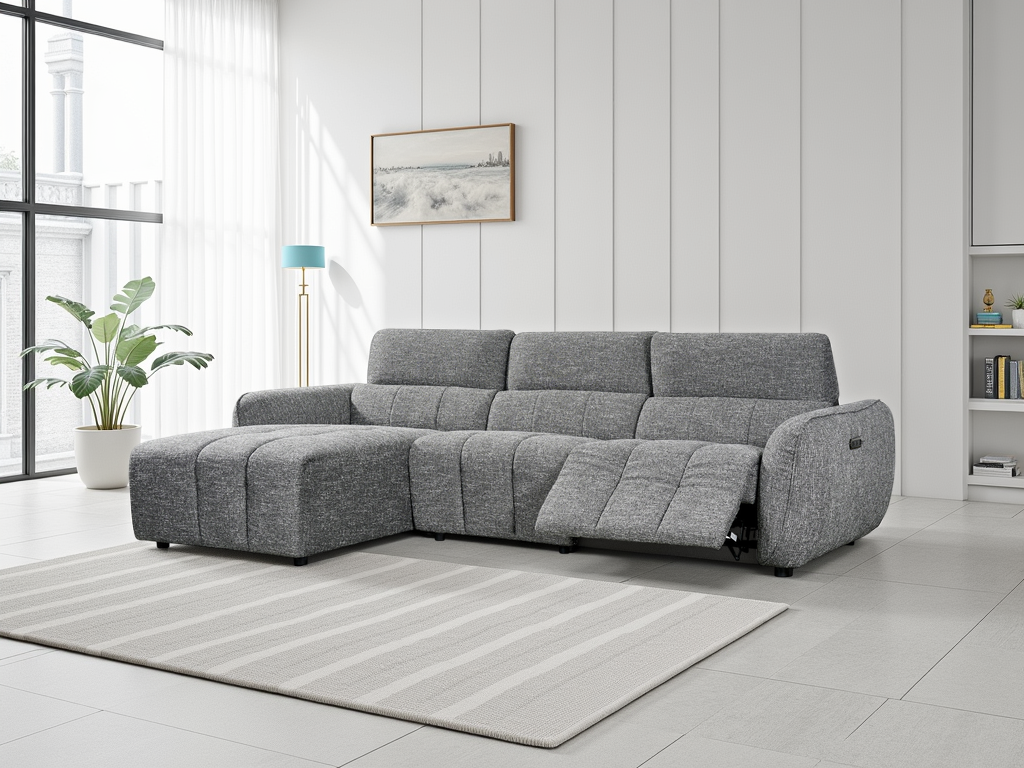
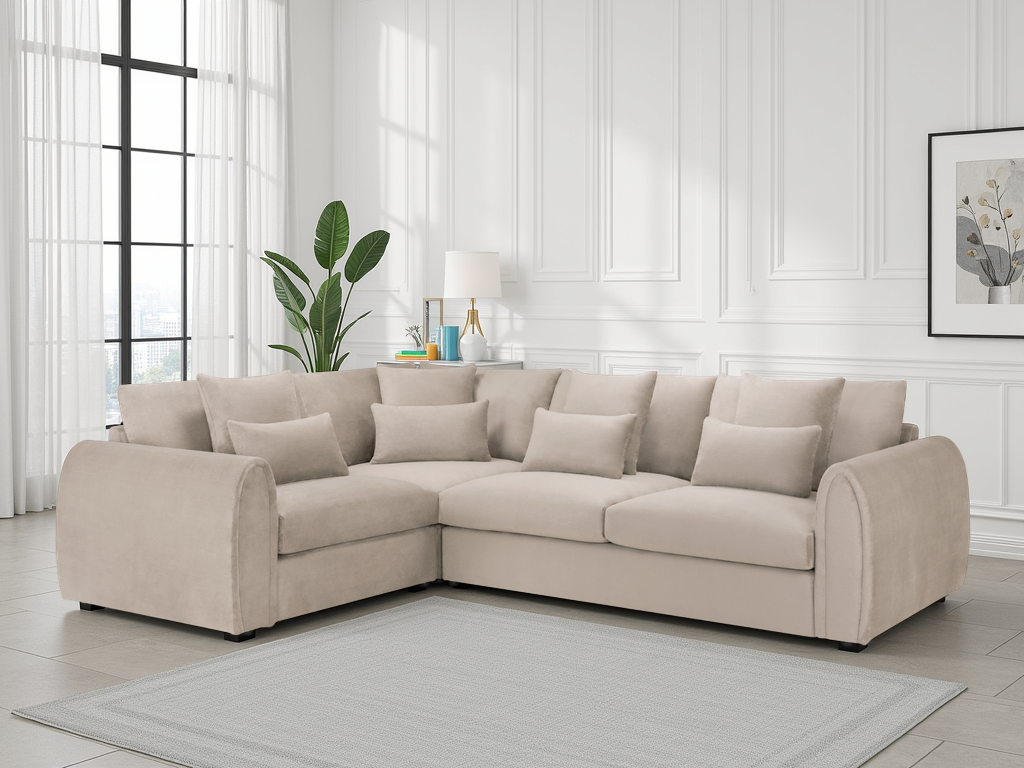
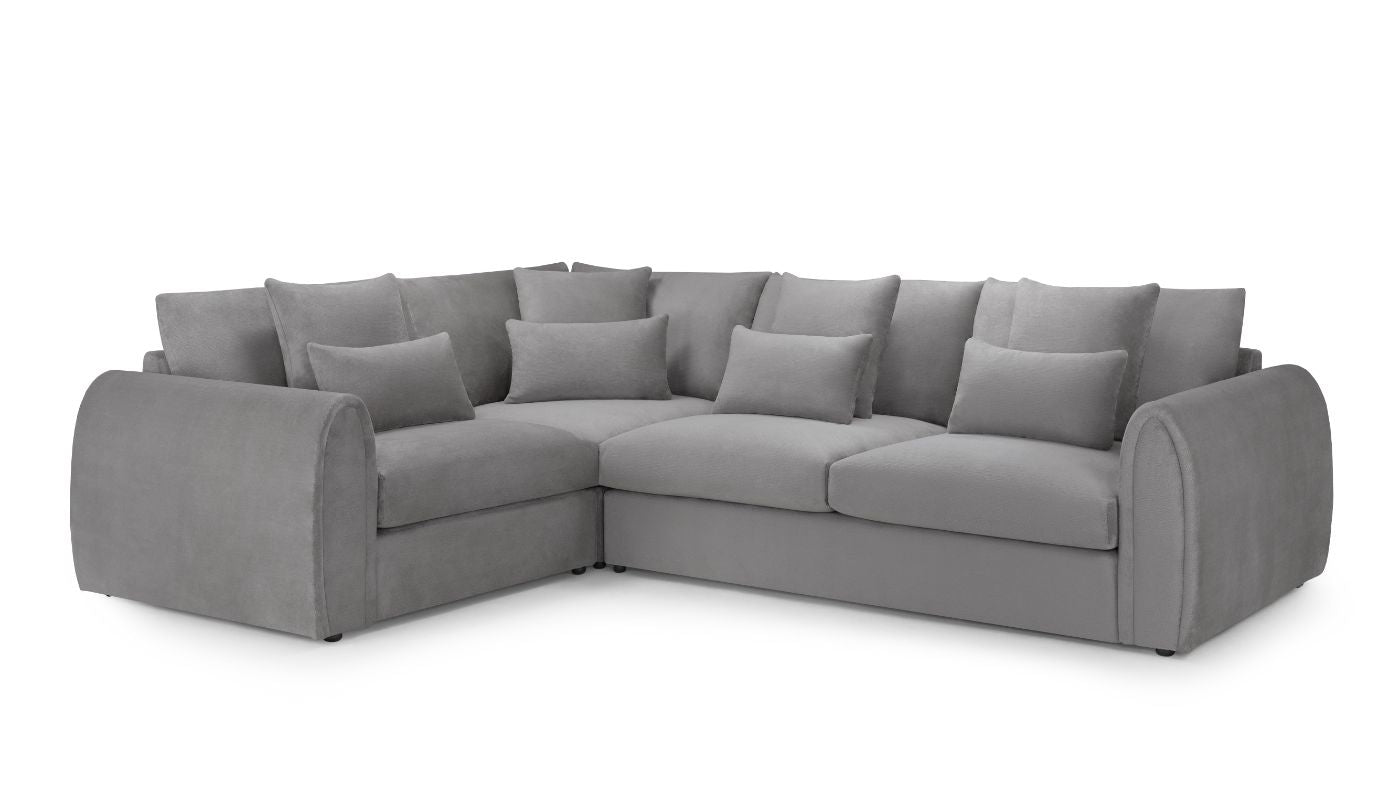
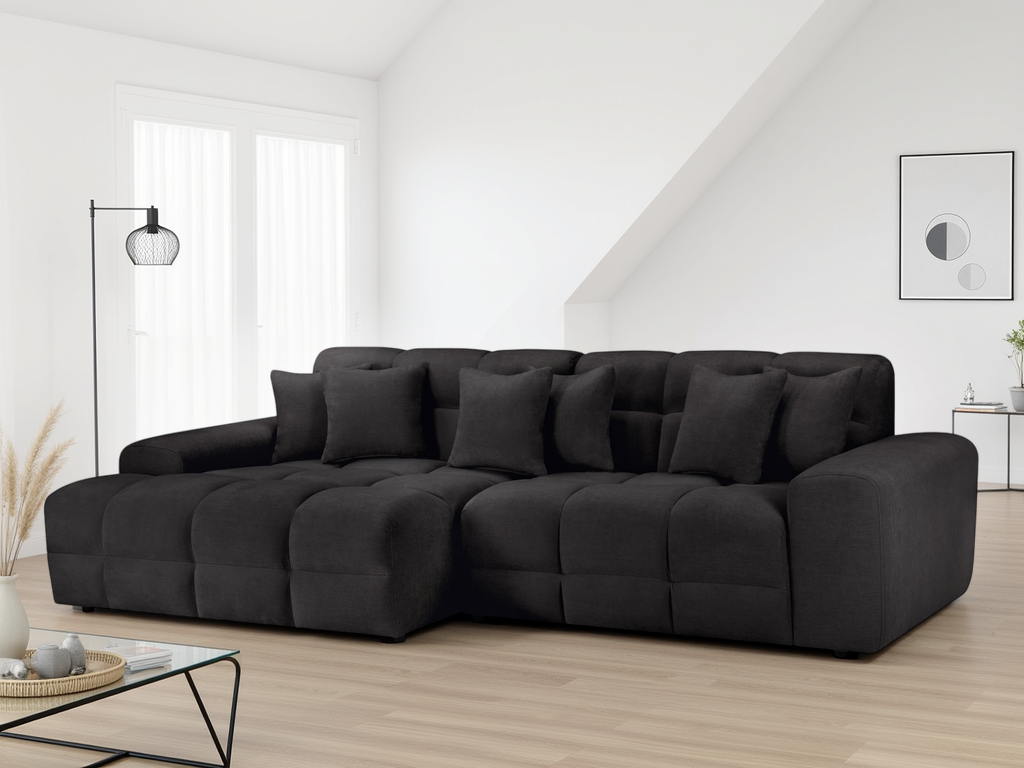
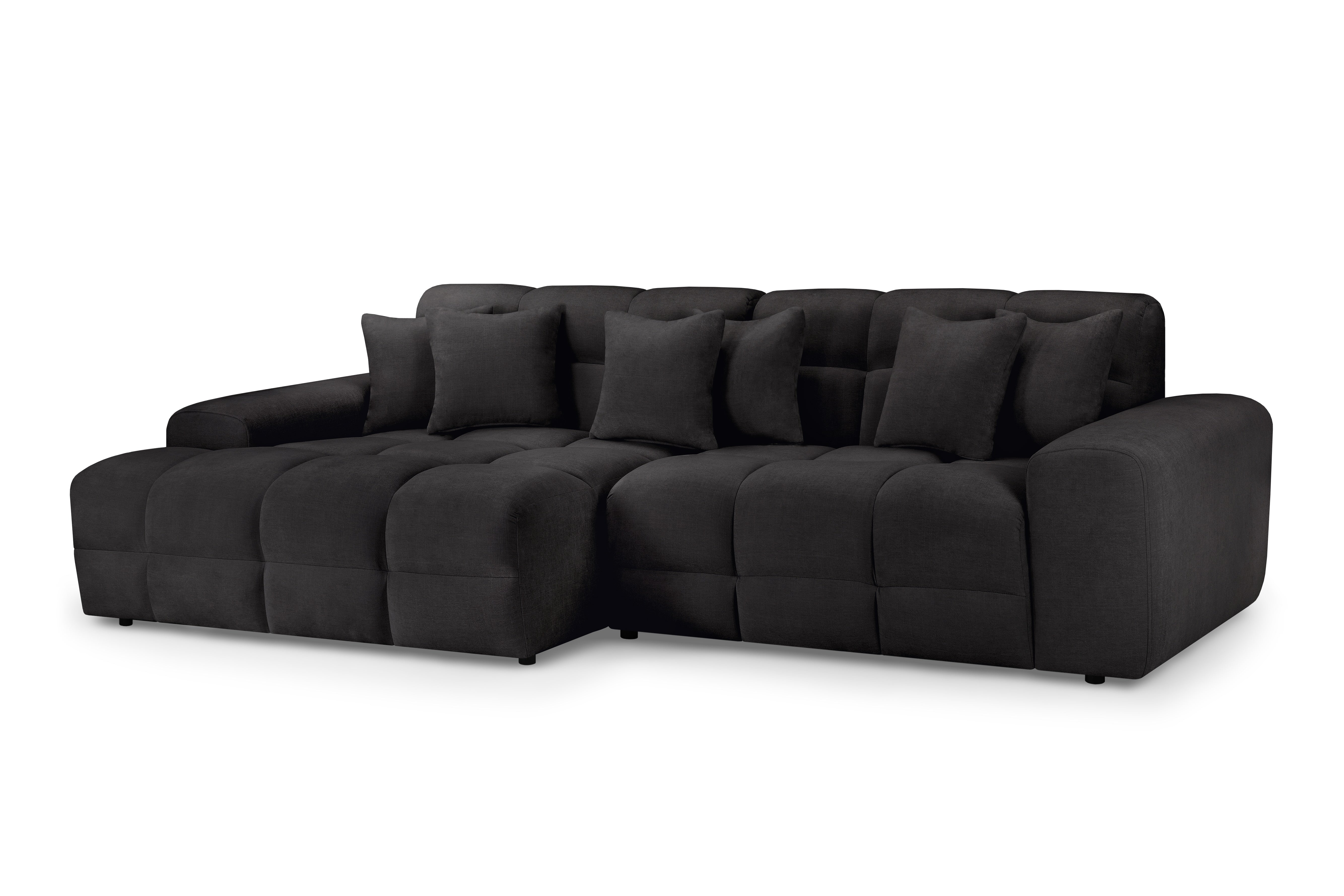
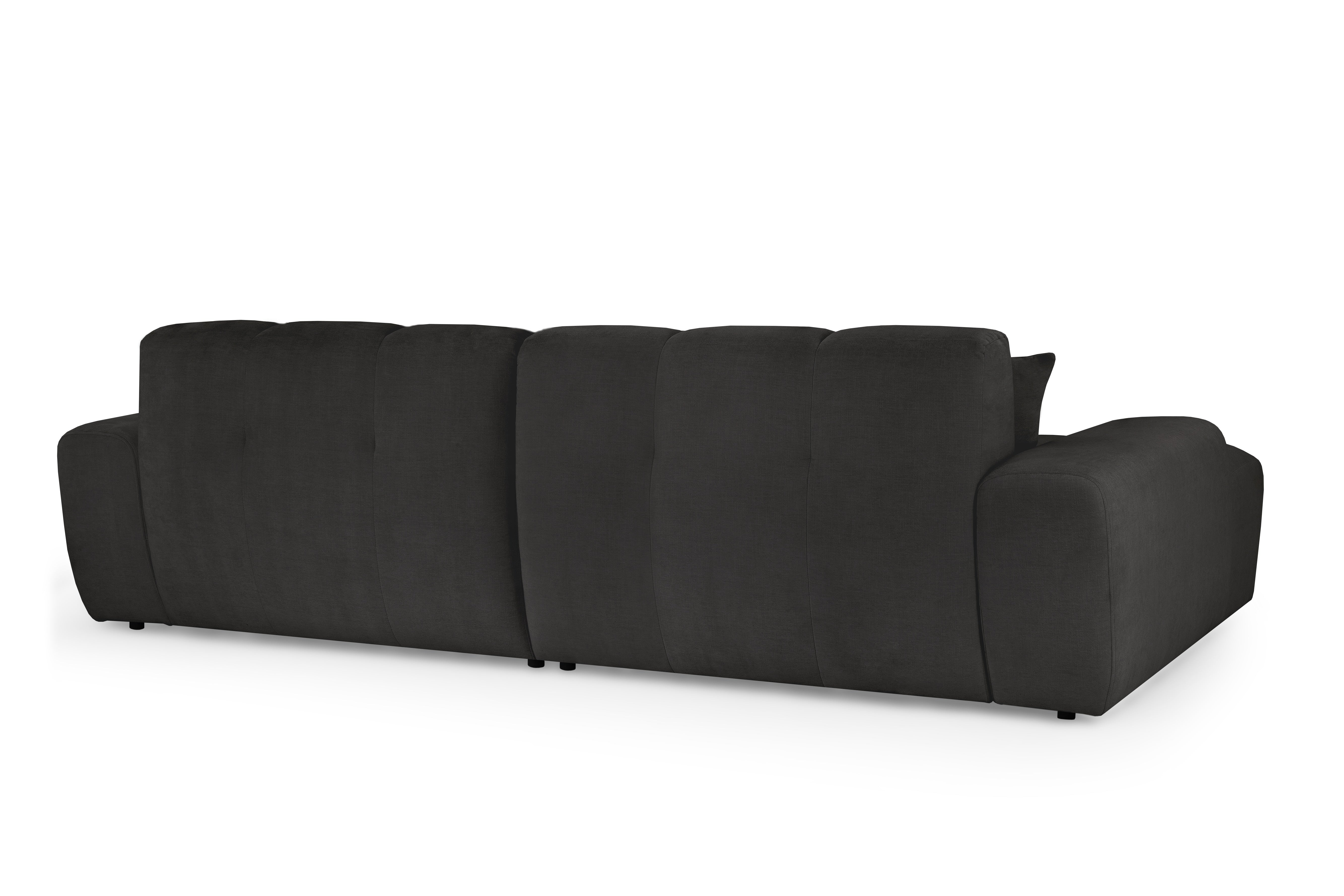
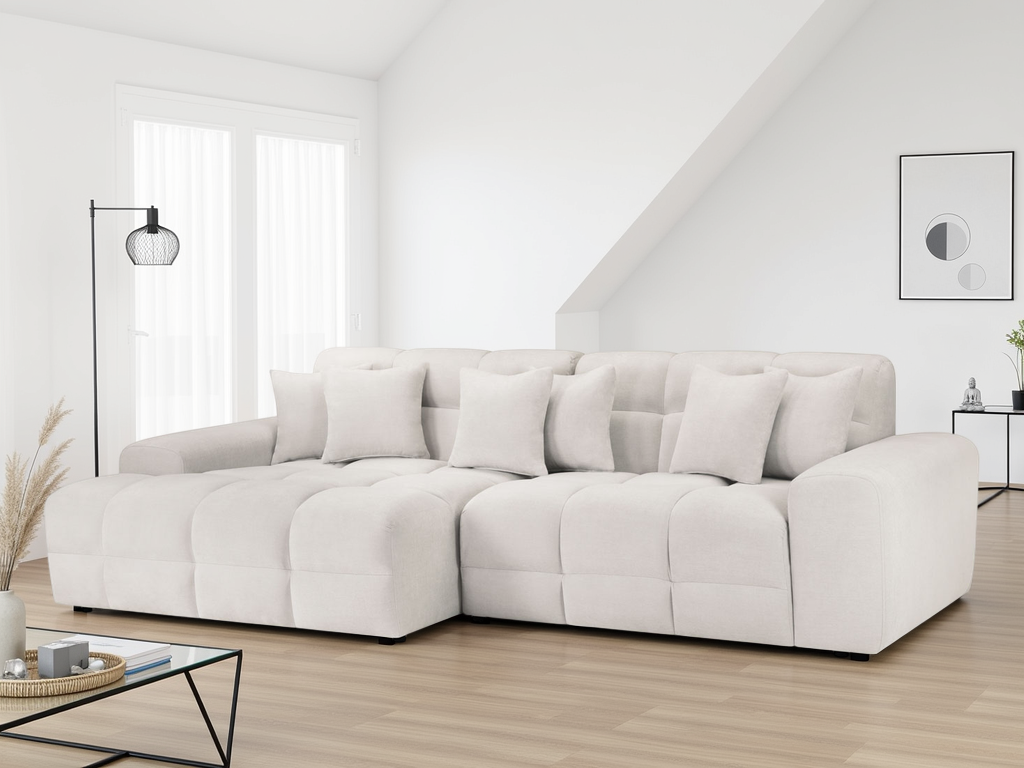
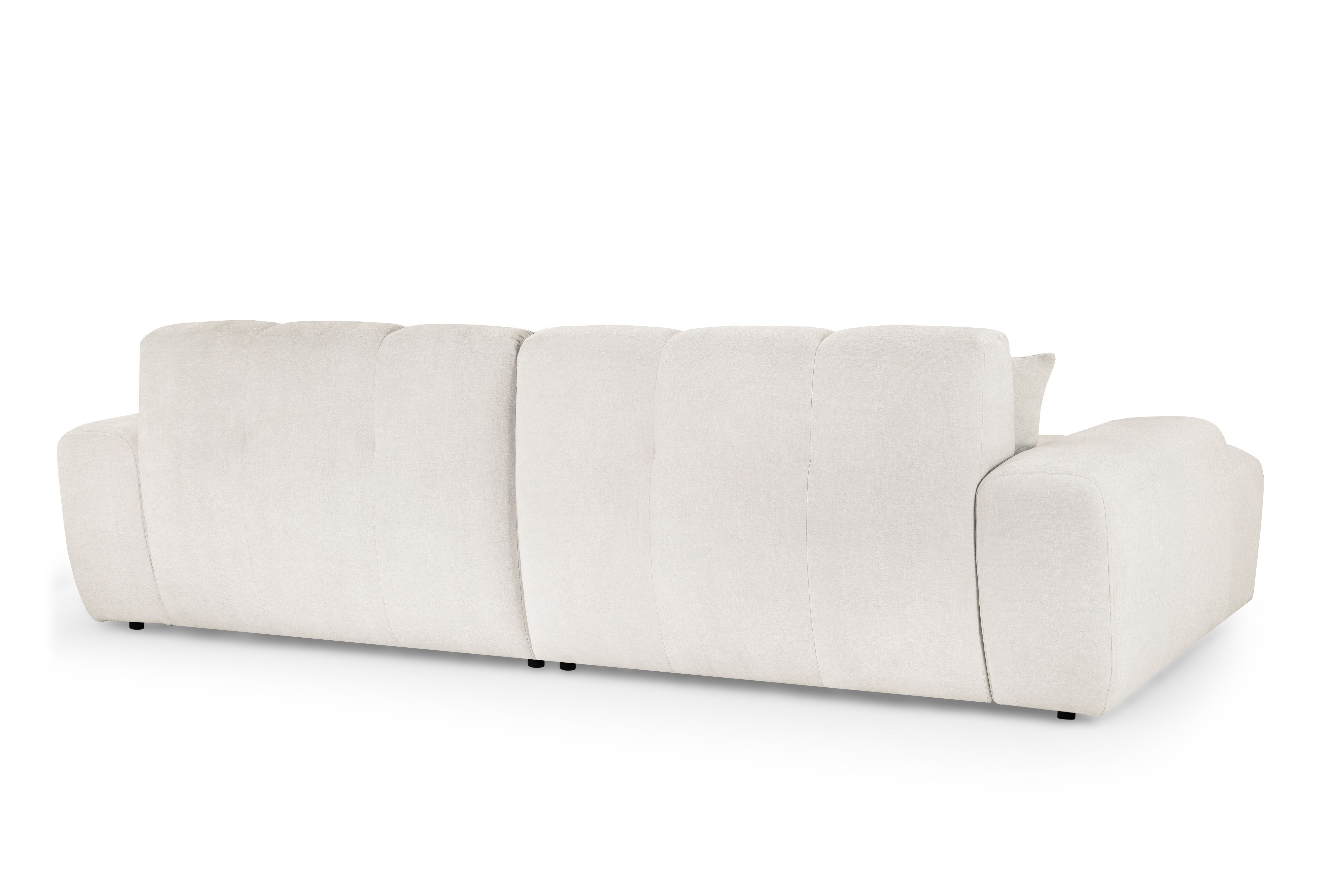
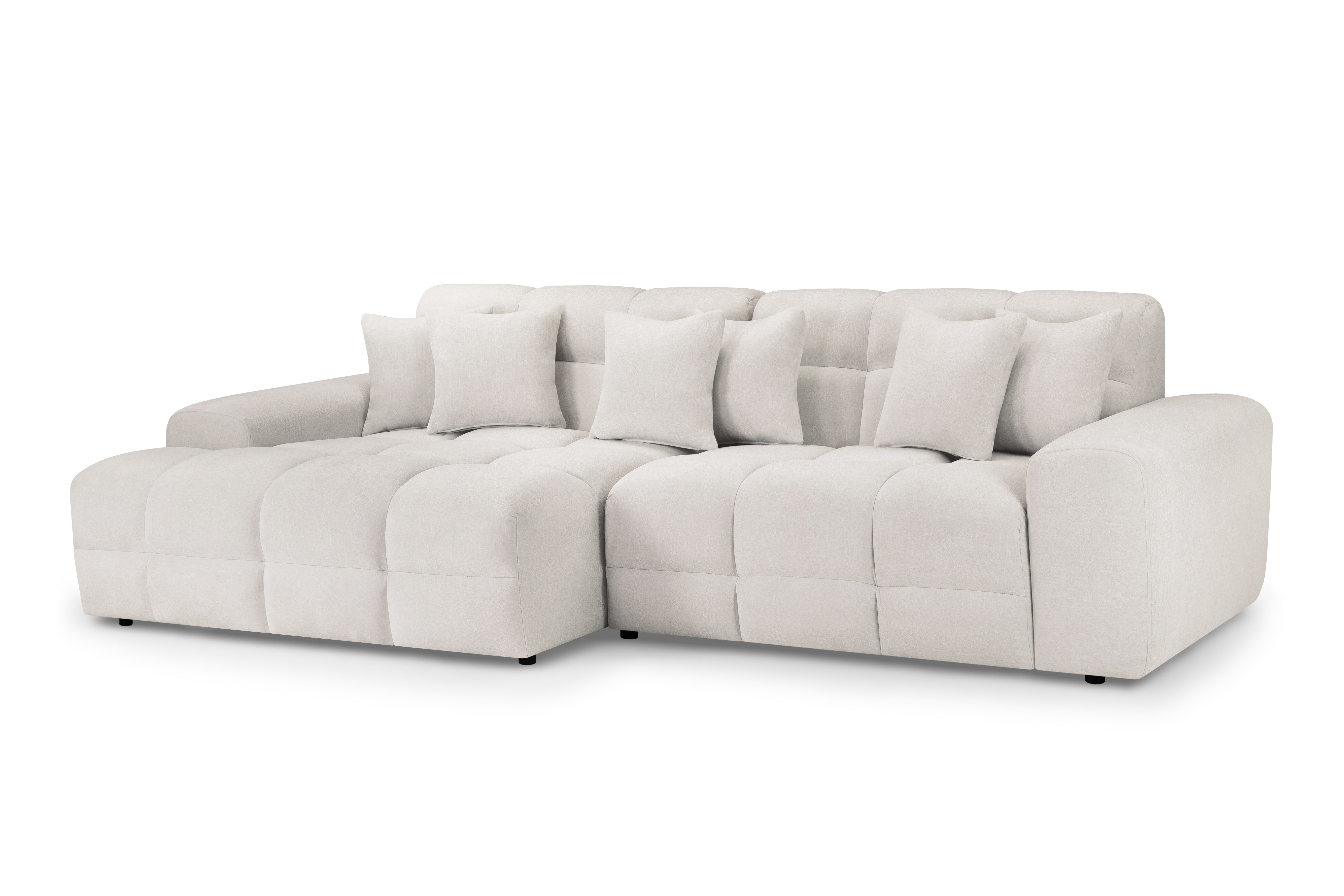
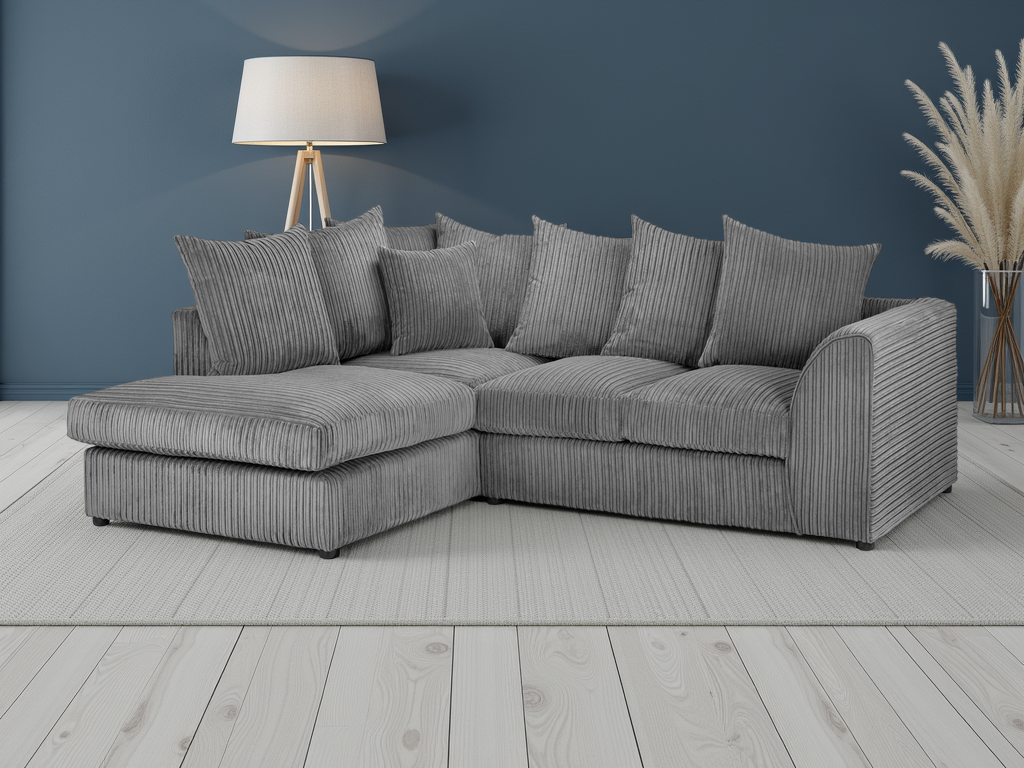
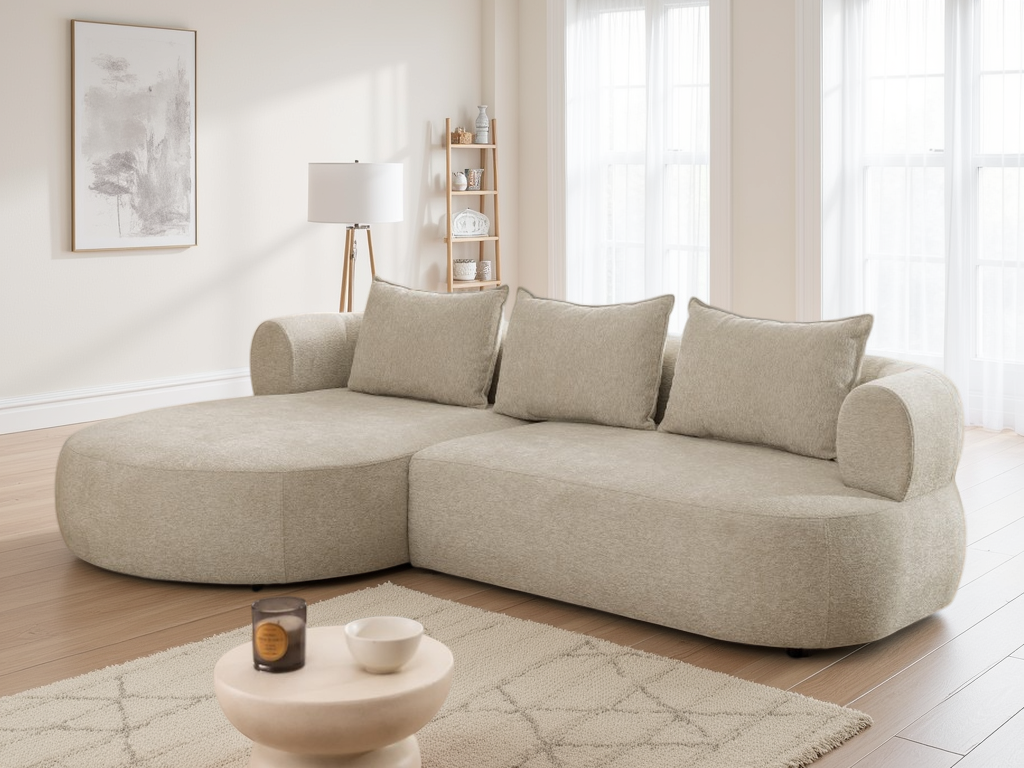
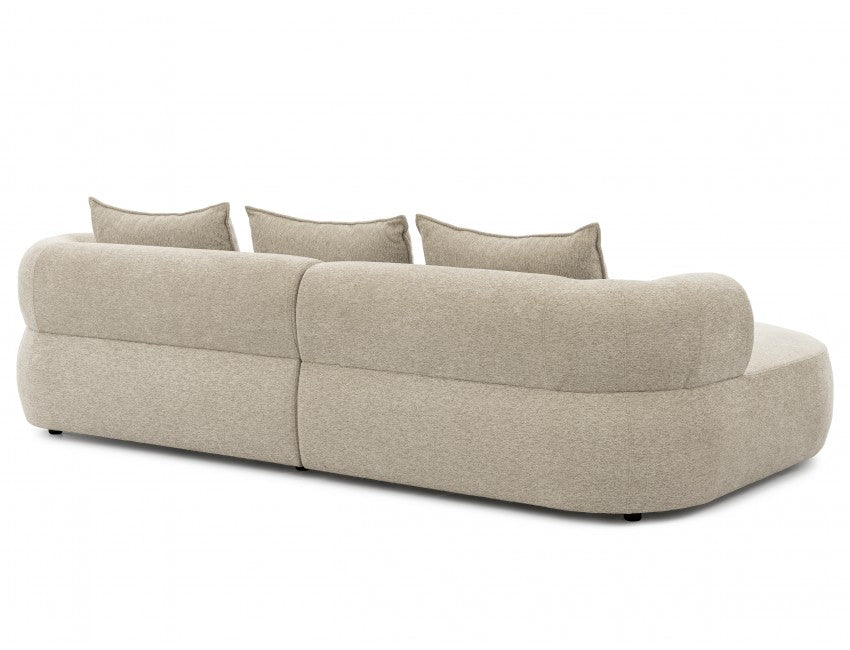
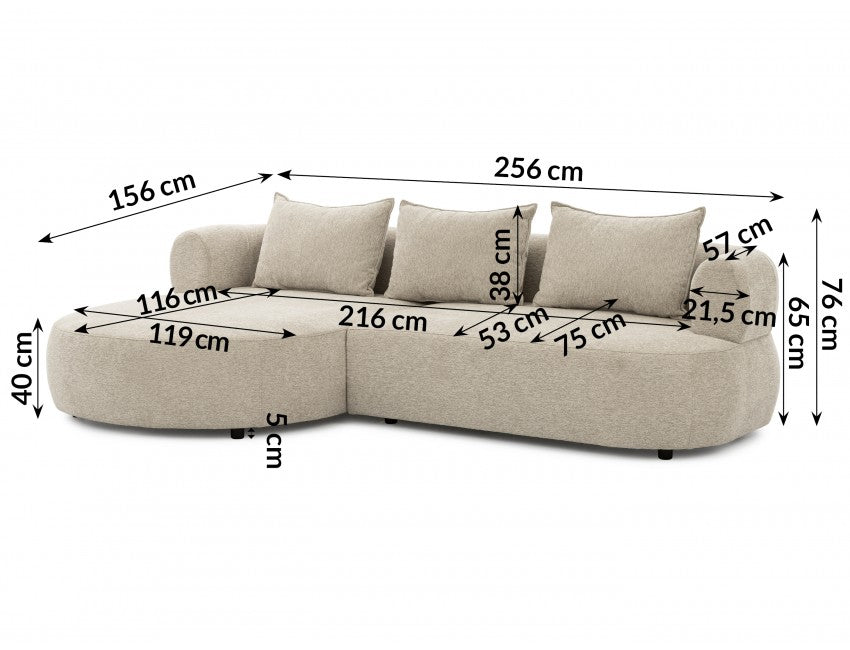
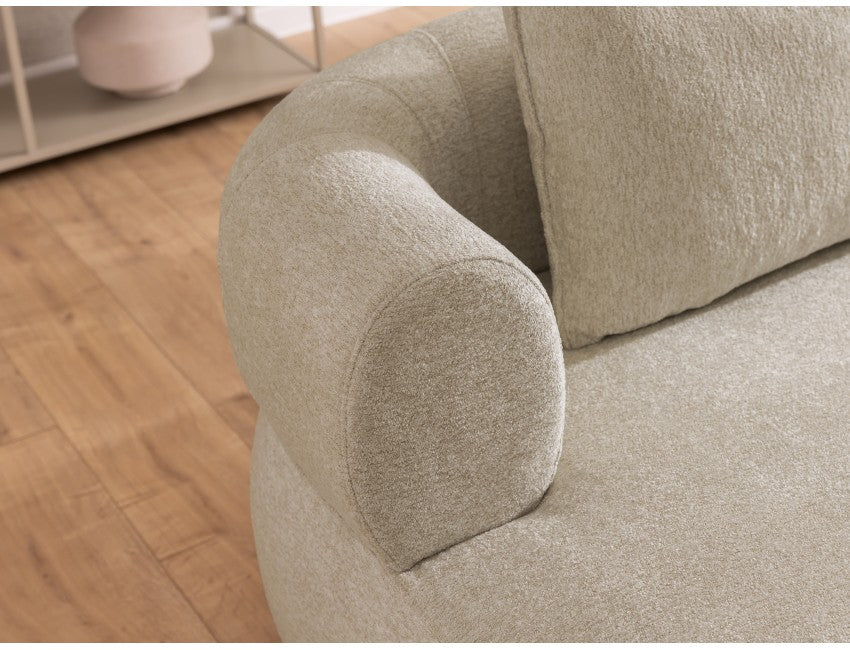
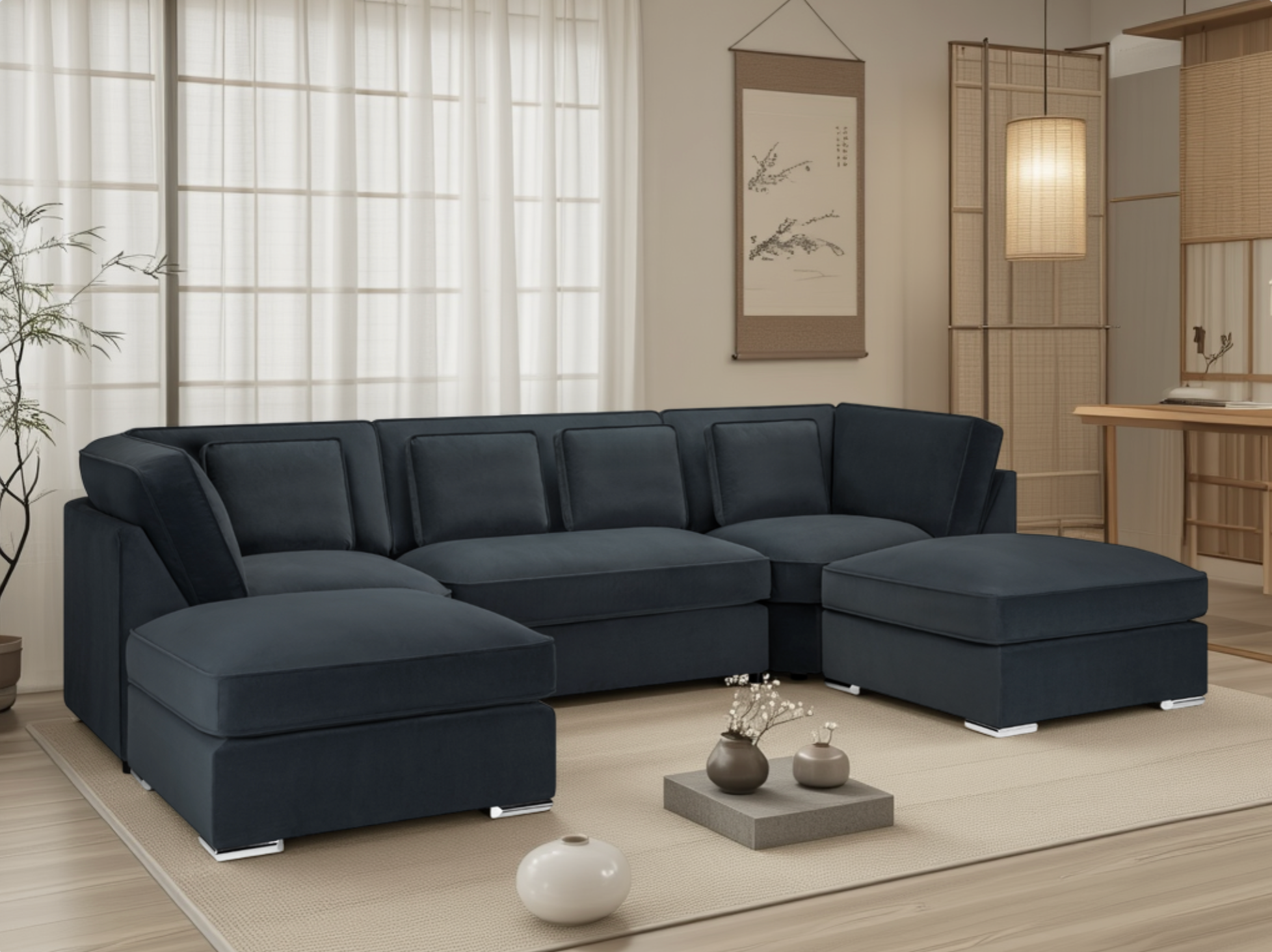
A left hand corner sofa puts the longer chaise arm to your left when you're seated and facing the sofa — and choosing the correct orientation is one of the most important decisions in the entire corner sofa purchase. Get it right and the sofa sits naturally in your room. Get it wrong and the longer arm blocks a doorway, interrupts the walkway, or faces away from the screen. At Airedale Living, our corner sofas are available in left-hand facing, right-hand facing, and universal configurations across a full range of colours and fabrics. Browse the full collection using the filters above — or read on to make certain left-hand is the right choice before you buy.

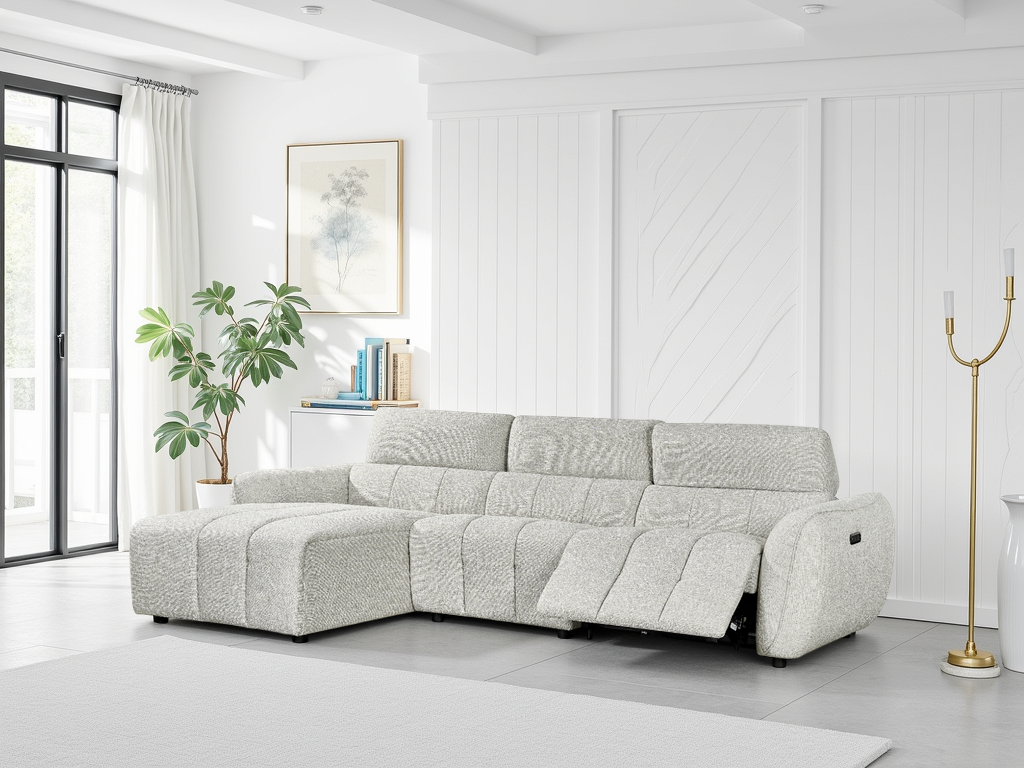
11 products

Left Hand Corner Sofa: Getting the Orientation Right

The terminology around corner sofa orientation is one of the most genuinely confusing aspects of sofa buying — and getting it wrong is one of the most common reasons for returns. Before browsing, it's worth spending two minutes being certain of exactly what "left hand facing" means and how to determine whether it's the correct choice for your room.

The definitive rule: A left hand facing corner sofa has its chaise — the longer, extended arm — on your left when you are standing in front of the sofa, facing it. This is the industry-standard definition used by Airedale Living and by the majority of UK furniture retailers.

The common confusion: Many buyers assume "left hand" refers to which side the chaise falls when they're sitting on the sofa, looking outward. It doesn't. It refers to the perspective of someone facing the sofa — which is how you'd view it from the main entrance of the room, from a standing position, or from across the room. When you're seated in the sofa and looking outward, the chaise will be on your right if the sofa is a left-hand facing model. This is the source of almost all orientation mistakes.

How to determine which you need: Stand in the main entrance of your room and look toward the wall or corner where the sofa will sit. Mentally position the sofa against the wall. The question to ask is: which side do you want the longer arm to fall on when you're standing there looking at it? If the answer is your left — the sofa is left-hand facing. If the answer is your right — the sofa is right-hand facing.

For a complete, room-by-room walkthrough of how to determine the correct orientation for your specific layout, our dedicated guide to left hand vs right hand corner sofas takes you through the decision step by step with real room examples.

When is Left Hand Facing the Right Choice?

Once you understand the terminology, the actual orientation decision is almost always determined by your room layout rather than personal preference. These are the scenarios where a left-hand facing corner sofa is typically the correct choice.

The main entrance is on your right. If you enter the living room from the right side and the sofa faces the opposite wall, a left-hand facing configuration puts the longer arm against the wall to your left as you walk in — which typically creates the most open path through the room and the most natural sightline to both the seating and any screen.

Your screen or focal point is on the left wall. A corner sofa should ideally be oriented so the main seating section (the longer, back-supported portion) faces the screen or fireplace, with the chaise extending away from it. If the focal point is on the left wall, a right-hand facing sofa will orient the main seating toward it; if the focal point is on the right wall or directly opposite, a left-hand facing sofa may serve the layout better.

A doorway or window is on the right. The chaise arm of a corner sofa occupies the most floor space. Placing it on the side of the room with fewer obstacles — away from doors, radiators, and traffic routes — keeps circulation clear and prevents the sofa from feeling as though it's blocking the room.

The right wall is shorter. In rooms where one wall is significantly shorter than the other, the shorter arm of the corner sofa should typically run along the shorter wall. If the shorter wall is on the right, a left-hand facing sofa with its longer arm along the left wall will sit in proportion with the room.

If none of these apply clearly to your room, or if you're still uncertain after measuring, a universal corner sofa is worth considering — these are designed to work in either orientation, which removes the decision entirely. See the full corner sofas collection for universal options alongside left and right-hand configurations.
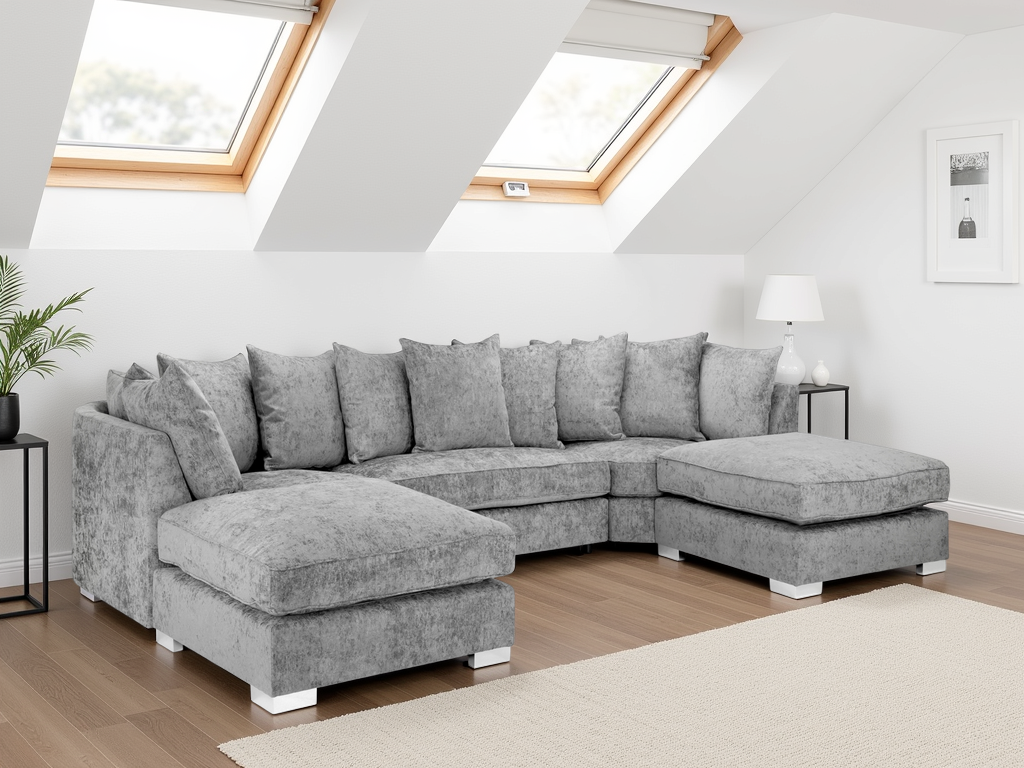
For a deeper look at positioning strategy once you've chosen your orientation, our guide to how to position a corner sofa in your living room covers placement in detail.

Choosing Your Left Hand Corner Sofa: Colour and Size

Once you've confirmed left-hand is the correct orientation, the remaining decisions follow the same logic as any corner sofa purchase — size, colour, and fabric.

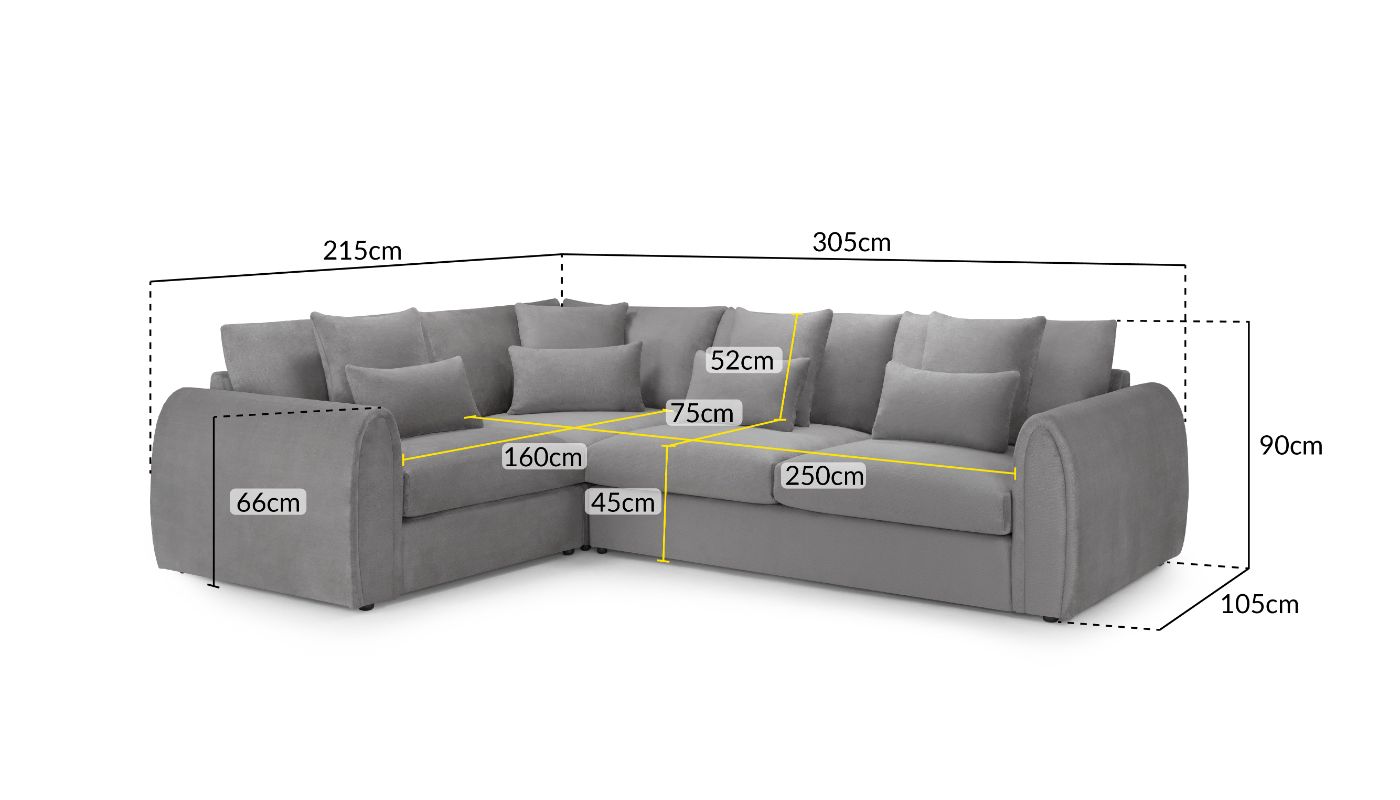
Getting the size right. Measure both walls the sofa will run along before browsing. Note the length of the left wall (where the chaise will sit) and the adjacent wall (where the shorter arm will run). Allow at least 60cm of walkway clearance on the open sides of the sofa, and 5–10cm of clearance from the walls on the arms. For larger rooms or those requiring five or more seats, our large corner sofas collection covers the most generous configurations. Our guide on how to choose the right corner sofa for your room covers sizing in full detail.

Choosing your colour. Browse directly by colourway to narrow quickly:

  • Grey corner sofas — the most searched corner sofa colour in the UK; works across virtually every interior style and lighting condition
  • Beige corner sofas — warm, grounding, and ideal for rooms with natural wood tones or earthy palettes
  • Black corner sofas — confident and contemporary; the boldest neutral in the range
  • Cream corner sofas — the brightest option; at its best in well-lit rooms with a considered interior scheme

For a full overview of corner sofa types, configurations, and how they compare, our corner sofa types guide covers every format from L-shape to U-shape to corner sofa bed.

What If You're Still Not Certain?

If you've read through the guidance above and you're still uncertain whether left-hand or right-hand is the correct choice for your room, there are two practical options.

Choose a universal corner sofa. Universal configurations are designed to be set up in either orientation, which removes the left/right decision entirely. You can position them based on how they look in the room on delivery, rather than committing to an orientation before the sofa arrives. Universal sofas are available across the corner sofas collection — filter by configuration to find them.

Read the dedicated guide. Our left hand vs right hand corner sofa guide is the most thorough resource we've produced on this specific decision — with room diagrams, worked examples, and a step-by-step orientation test you can apply to your own floor plan.

Browse our best sellers to see which corner sofa configurations our customers choose with the most confidence, explore new arrivals for the latest additions, or browse sofa beds if a left-hand corner configuration with a fold-out sleeping surface is what you need.

Every Airedale Living corner sofa is built on a hardwood frame with high-resilience foam seating — and comes with free UK delivery, in-room assembly by our two-person team, a 5-year frame guarantee, and free returns as standard.

Browse the full corner sofa collection above — filter by configuration, colour, and size to find the left-hand sofa that's right for your room.

Frequently Asked Questions

Left hand facing means the chaise — the longer extended arm of the L-shape — falls to your left when you are standing in front of the sofa and facing it. This is the standard UK industry definition. It does not refer to the side the chaise falls on when you're seated on the sofa looking outward — when seated, the chaise will appear on the opposite side to what the "facing" label describes. Our dedicated guide to left hand vs right hand corner sofas explains this in detail with worked examples.

Decide which side you want the longer arm to fall on from that perspective. If you want it on your left — you need a left-hand facing sofa. If you want it on your right — you need a right-hand facing sofa. This decision is determined by your room layout: the position of the door, the screen or focal point, windows, radiators, and any structural features that affect how the room is used. Our room positioning guide covers the full process with practical examples.

the configuration can be set up either way during assembly. This removes the orientation decision entirely and is particularly useful if you're unsure of your room layout, plan to move the sofa in future, or want flexibility. Universal configurations are available throughout the corner sofas collection.

Yes free returns are included as standard on all Airedale Living corner sofas if the sofa doesn't fit your space. However, the best approach is to determine the correct orientation before ordering rather than relying on the returns process. Our left hand vs right hand guide is specifically designed to help you make this decision with confidence before purchase.

Left-hand facing configurations are available across the full corner sofa size range — from standard L-shapes with a shorter arm of around 140–160cm and a longer arm of 200–240cm, through to large corner sofas running 260cm and above along the longer arm. Use the size filters on the corner sofas collection page to browse by dimension, and always measure both walls before ordering. Allow at least 60cm of walkway clearance on the open sides of the sofa.