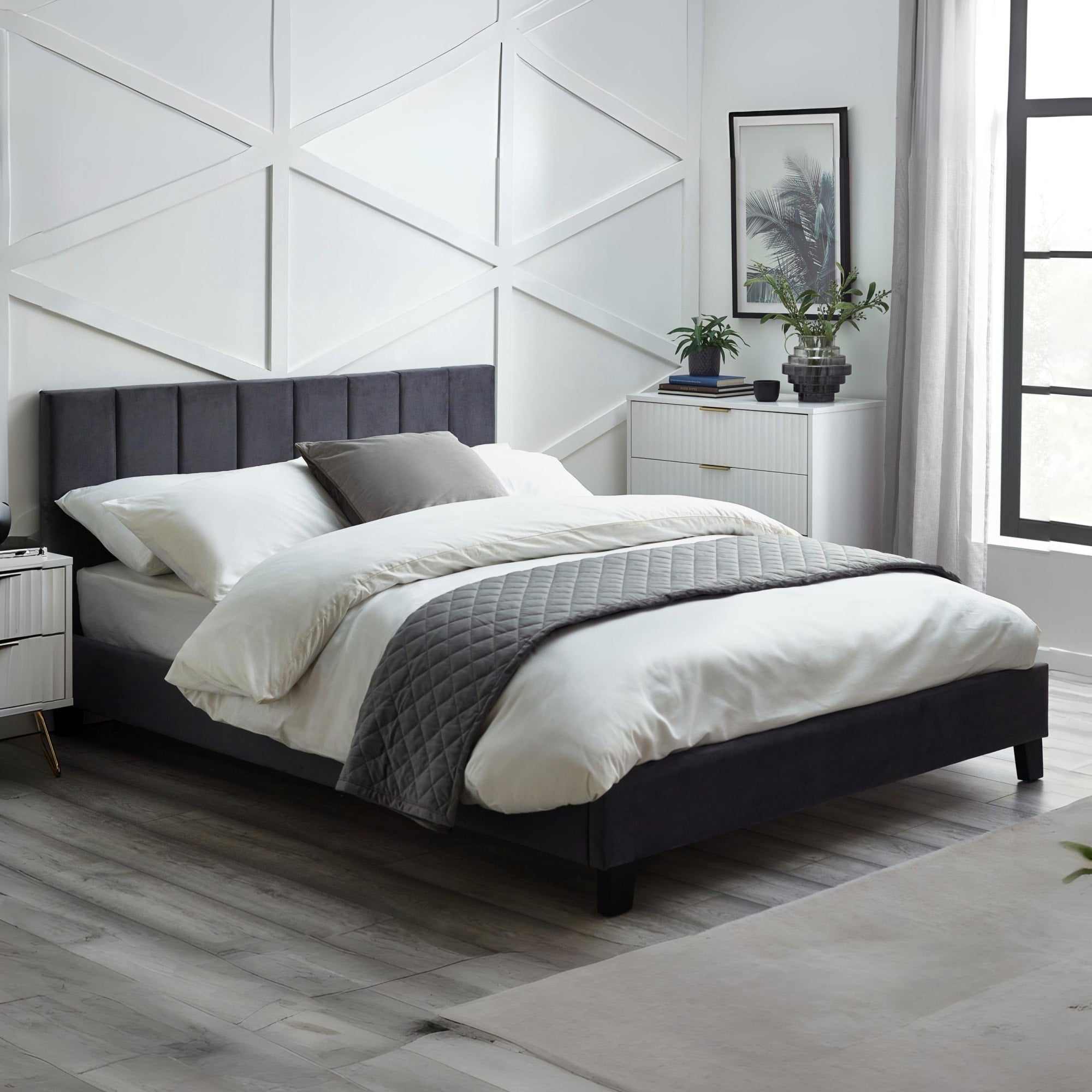
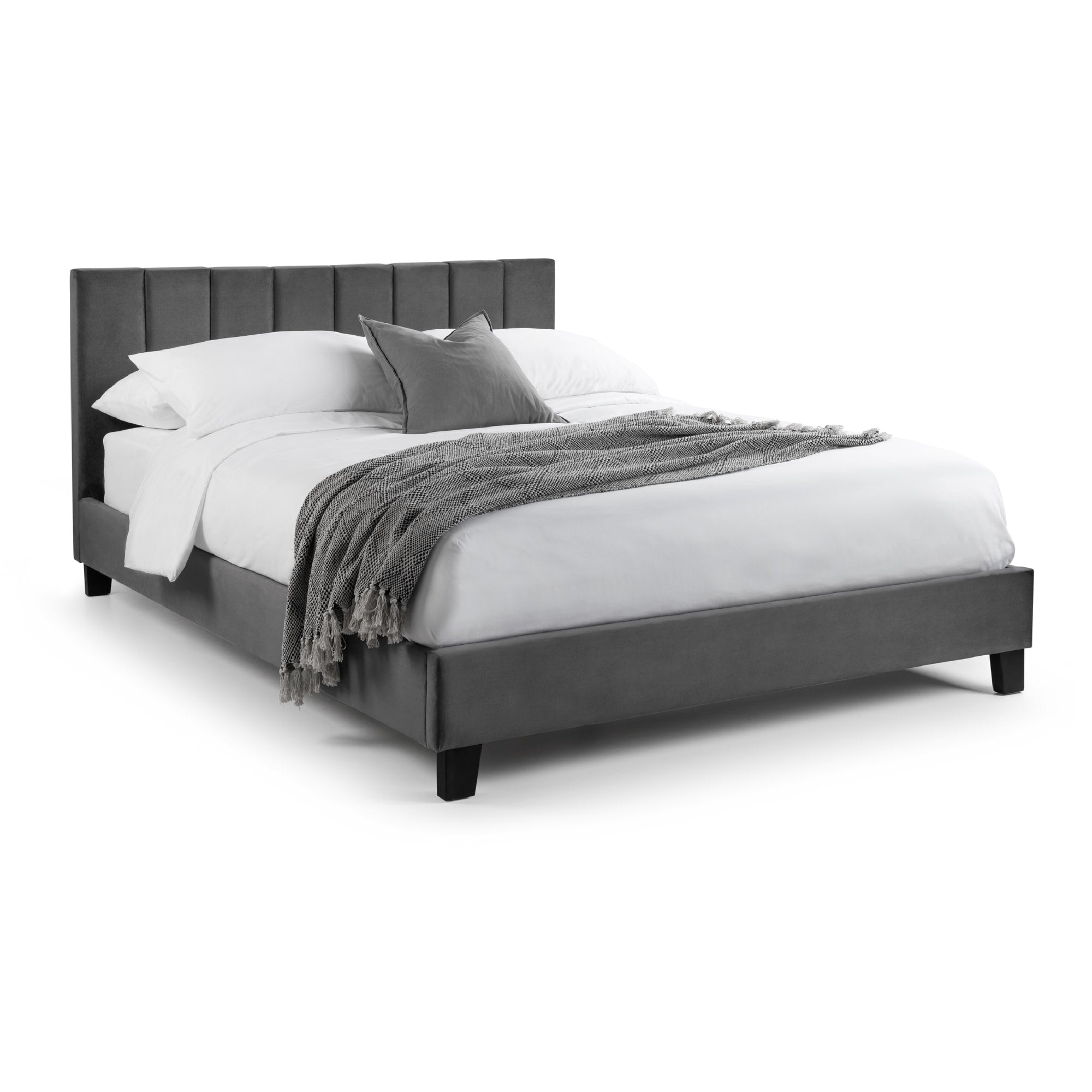
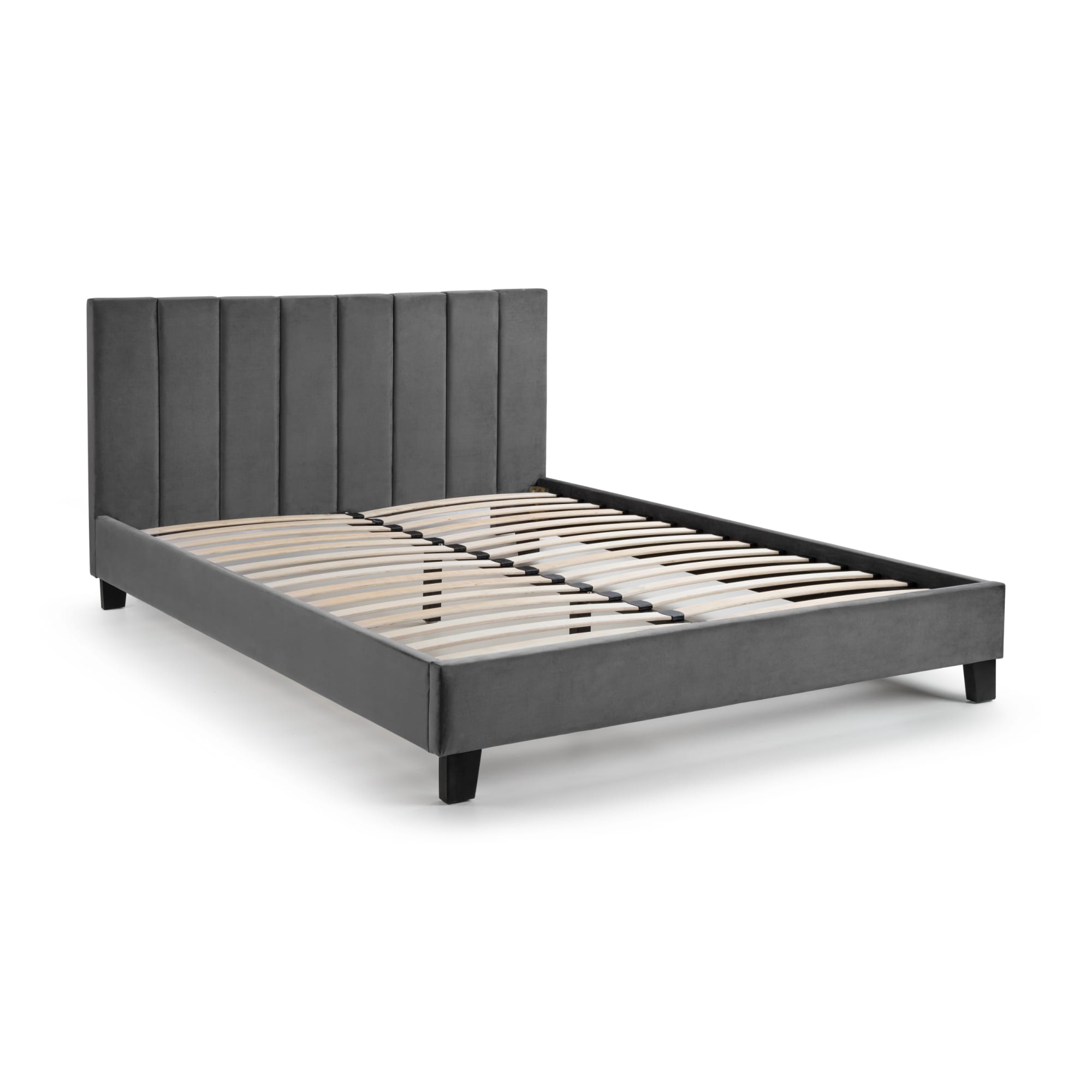
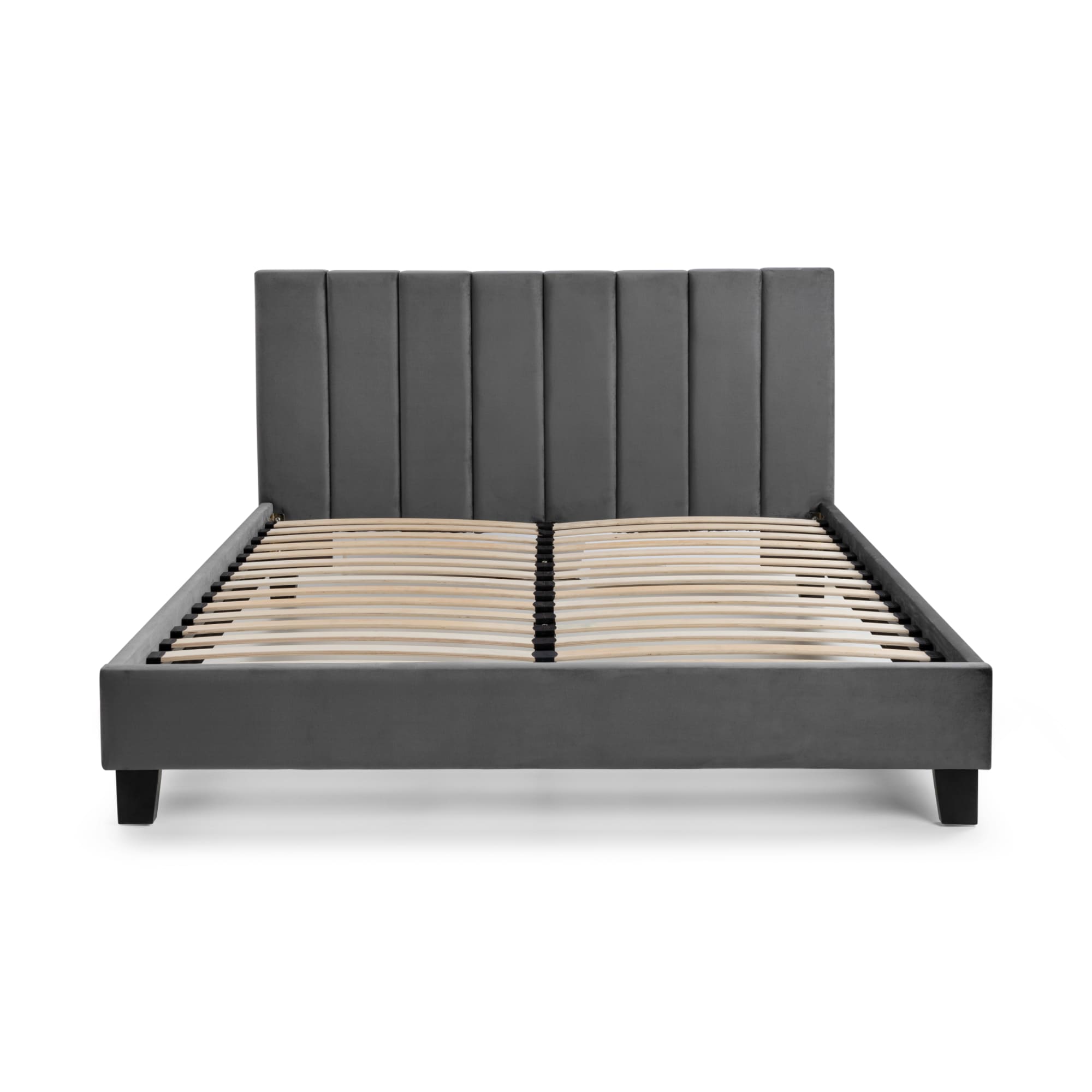
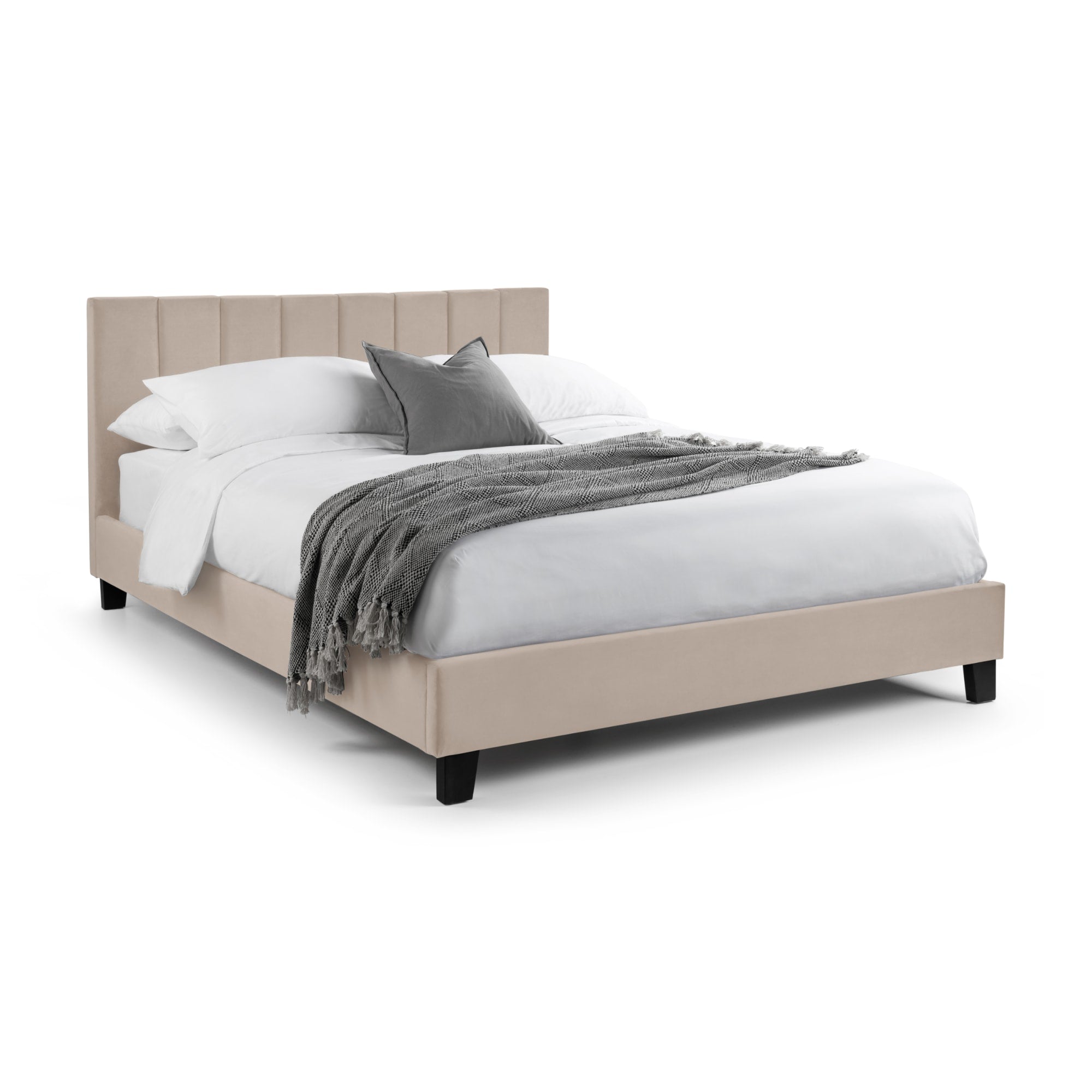
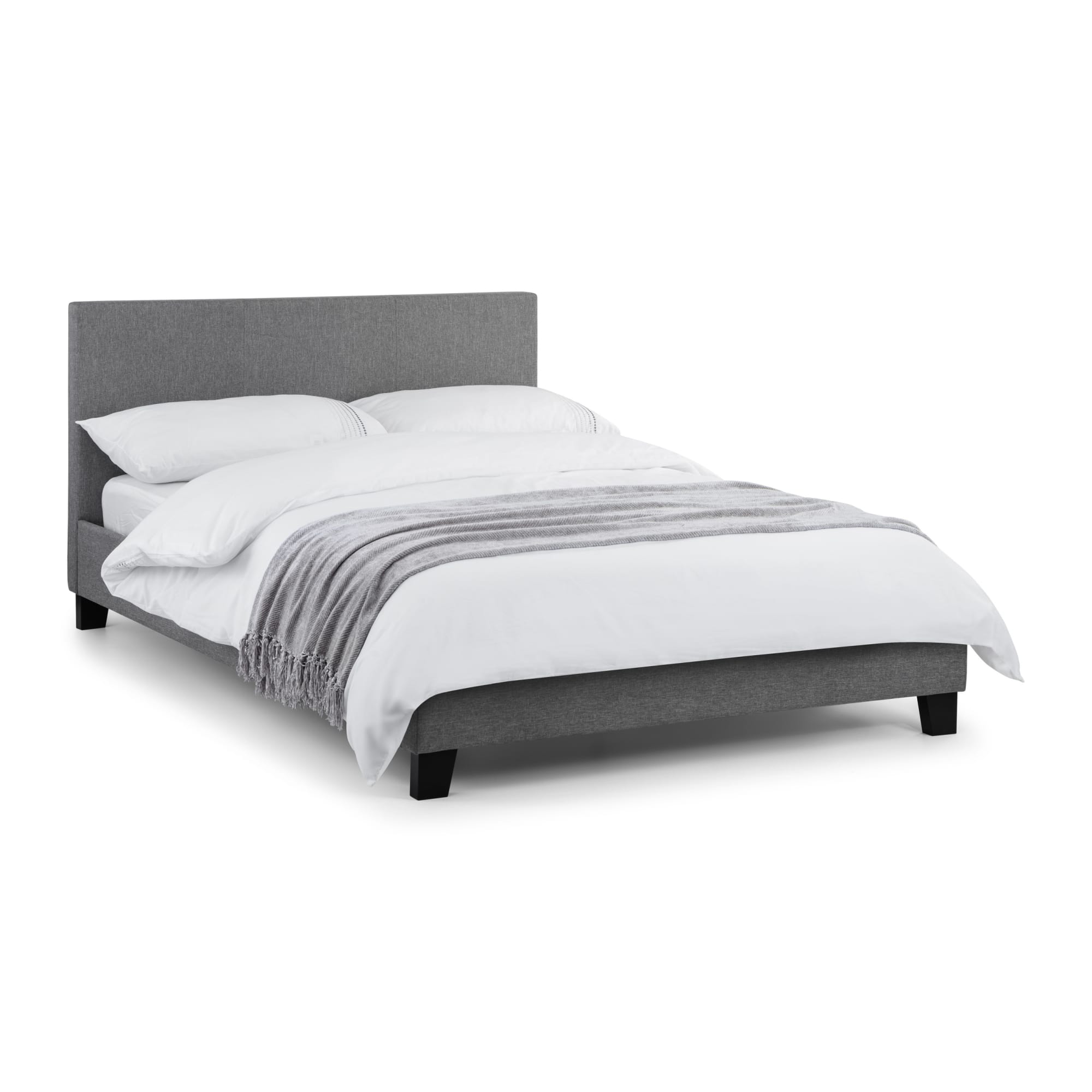
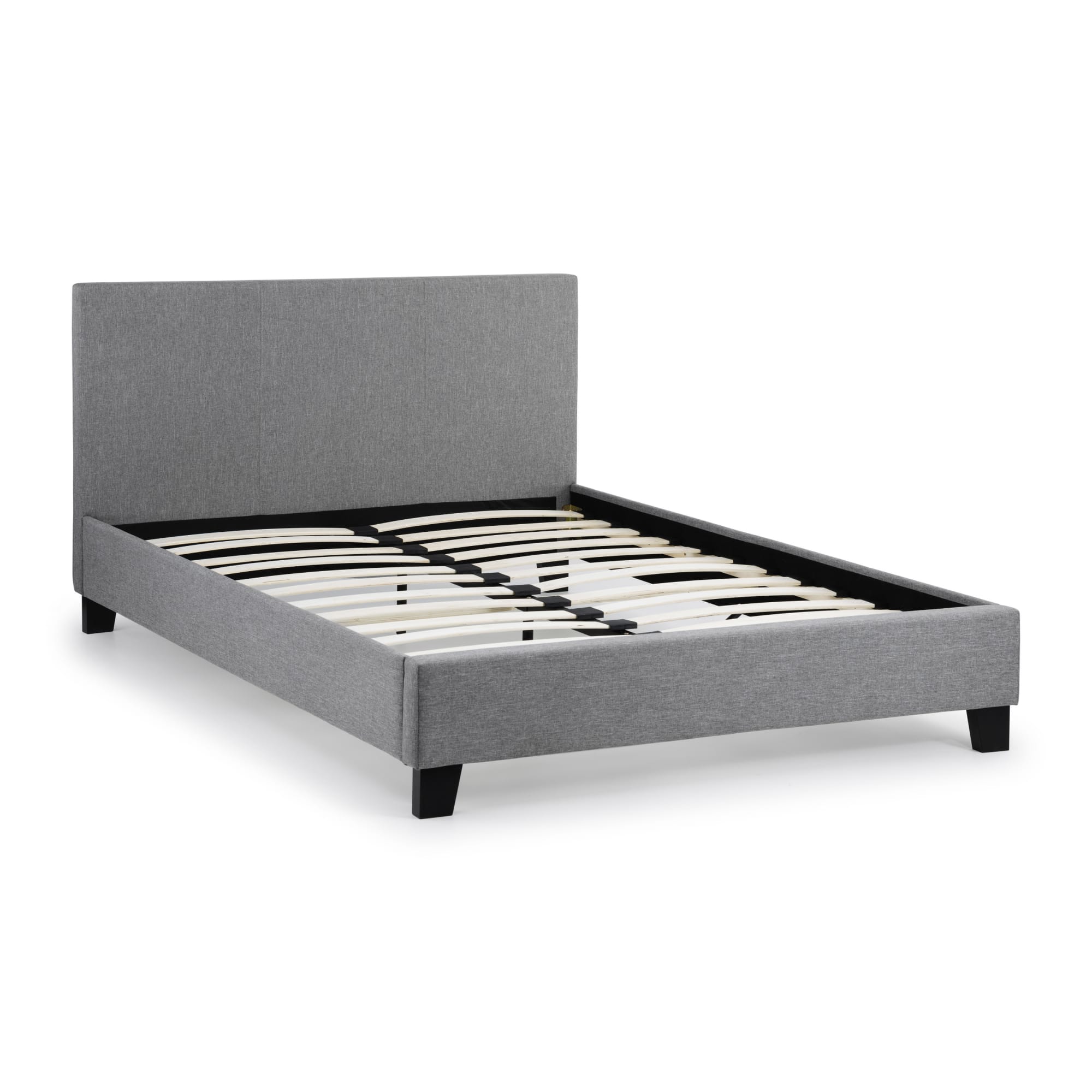
The small double bed occupies a genuinely useful space in the UK bed size range wider than a single by a meaningful margin, more compact than a standard double, and well-suited to the adult living alone in a room that can't accommodate a full 135cm bed. At 120cm × 190cm, it provides real double sleeping width without the wall-to-wall commitment of a standard double frame. At Airedale Living, our small double beds are available as standard frames and ottoman storage beds across upholstered and wooden finishes, built to a standard that holds its structure across years of daily use. Browse the full collection above and pair your chosen frame with a small double mattress for a complete sleep setup. Free UK delivery and in-room assembly are included as standard on every order.

5 products

Small Double Beds: The Complete Size and Buying Guide

The small double — also known as the 4ft bed or three-quarter bed — is consistently underrepresented in UK furniture retail despite being one of the most practically useful bed sizes available. It sits between a single (90cm) and a standard double (135cm) in width, which makes it the right choice in several specific situations that neither the single nor the standard double serves as well.

Who a small double suits best: Adults using a single bedroom as their primary bedroom who find 90cm too narrow for comfortable sleep. Young adults in their first owned home furnishing a compact main bedroom. Older children and teenagers who have outgrown a single but whose room won't accommodate a standard double. Guest rooms that need to offer more comfort than a single without using the full floor space of a double. Rooms where a double would fit technically but would leave inadequate walkway clearance on both sides.

Why not just choose a standard double? A standard double at 135cm is 15cm wider than a small double — a significant difference in a room where wall-to-wall clearance is measured carefully. In a bedroom of 2.7–3.0m width, a standard double can make walkway clearance tight on both sides; a small double in the same room leaves comfortable space on at least one side. The 15cm difference also matters for bedding — small double bedding (120cm width) is more readily available than it once was, though the range is narrower than for standard double.

Small Double Bed Dimensions: Everything You Need to Know

Standard small double bed size (UK): 120cm wide × 190cm long

This is the definitive UK small double bed dimension. It is also referred to as a 4ft bed (120cm ≈ 4 feet) in some product descriptions, which is the same size. The length is identical to a standard double (190cm), and to most UK single and king size beds — only the width differs between size categories.

Room planning with a small double:

  • Minimum recommended room width: 220cm (120cm bed + 50cm walkway on one side + 50cm on the other)
  • Comfortable room width: 260cm+ (120cm bed + 70cm walkway on each side)
  • Minimum room length: 240cm (190cm bed + 50cm clearance at foot)
  • Always position the headboard against the wall and allow for any footboard projection

Mattress note: A small double bed requires a small double mattress at 120cm × 190cm — not a standard double mattress (135cm × 190cm), which will be too wide. Always confirm mattress dimensions before ordering, as "small double" and "double" look similar on product pages but are not interchangeable.

Small Double vs Standard Double: Which Should You Choose?

This is the most common decision point for buyers considering a small double — and the answer is almost always determined by room dimensions rather than personal preference.

Choose a small double if:

Your room is between 2.4m and 3.0m wide and you need comfortable walkway clearance on both sides of the bed. A standard double in a 2.7m room leaves 30cm on each side — less than ideal; a small double in the same room leaves 75cm on each side, which is far more practical for dressing, accessing wardrobes, and general daily use.

You're furnishing a room for one adult who wants more width than a single provides. A small double at 120cm gives a solo sleeper 30cm more width than a single — a meaningful improvement in comfort for a restless sleeper — without the floor footprint of a standard double.

You're furnishing a guest room that needs to be a versatile space when not in use. A small double guest bed leaves more floor area than a standard double for a desk, seating, or exercise space.

Choose a standard double if:

Two adults will regularly share the bed. A small double at 120cm provides 60cm of sleeping width per person when shared — workable for a couple who sleep close together but genuinely narrow for two adults who move independently. A standard double at 135cm gives each person 67.5cm, which is more comfortable for two. For regular couple use, a standard double mattress on a double frame is almost always the more considerate long-term choice.

Your room is 3.2m or wider and walkway clearance isn't a constraint. If the room has space for a standard double with comfortable clearance on both sides, the additional 15cm of width is worth having.

Storage considerations: Both small double and standard double frames are available as ottoman storage beds. The storage capacity of a small double ottoman (120cm × 190cm internal area) is meaningfully smaller than a standard double ottoman, but still substantially larger than any drawer alternative. If storage is a priority and the room suits a standard double, the larger ottoman provides more usable capacity.

Complete Your Sleep Setup

A small double bed frame performs best paired with a correctly sized mattress — 120cm × 190cm specifically. Browse the full small double mattress collection to find the right firmness, depth, and support profile for your sleeping position. Using a standard double mattress (135cm) on a small double frame is a common and avoidable mistake — the mattress will overhang or bunch at the edges.

To compare across the full bed range before deciding, the single beds collection covers the 90cm format and the full mattresses collection covers every size and firmness option in one place.

Browse our best sellers to see which small double bed frames our customers choose with most confidence, or explore new arrivals for the latest additions to the bedroom range. Current offers are available in our sale collection.

Every Airedale Living small double bed comes with free UK delivery, in-room assembly by our two-person team, a 5-year frame guarantee, and free returns as standard.

Browse the full small double bed collection above — and find the frame that makes the most of your room.

Frequently Asked Questions

A standard UK small double bed measures 120cm wide × 190cm long. It is also commonly referred to as a 4ft bed (120cm is approximately 4 feet) or a three-quarter bed. The length is 190cm — identical to a standard single, double, and most other UK bed sizes. Only the width of 120cm distinguishes it from the standard double (135cm wide) above it and the single (90cm wide) below.

A small double bed is 120cm wide × 190cm long — the same length as most UK beds but 15cm narrower than a standard double (135cm) and 30cm wider than a standard single (90cm). The total external frame dimensions will be slightly larger than the mattress dimensions — typically adding 3–5cm on each side for the frame surround, plus the headboard height projection. Always check individual product pages for exact external frame dimensions when planning room layout and purchasing bedding.

A small double bed is 120cm wide — sometimes described as 4ft (since 120cm is approximately 4 feet). This is 30cm wider than a standard single (90cm) and 15cm narrower than a standard double (135cm). For a solo adult, 120cm provides comfortable sleeping width with room to move. For two adults sharing, 120cm gives each person 60cm of width — workable for a couple who sleep close together, but narrow for two independent sleepers.

A small double bed measures 120cm × 190cm. A standard double bed measures 135cm × 190cm. The only difference is the width — 15cm — and the length is identical at 190cm. This 15cm difference is meaningful in terms of room planning: in a bedroom of 2.7m width, a standard double leaves approximately 30cm walkway clearance on each side, while a small double leaves 75cm on each side. In practical terms, a small double suits solo adult sleepers in compact rooms; a standard double is preferable when two people share the bed regularly or when the room has adequate width for comfortable clearance on both sides.

A small double can accommodate two people, but it's a tight fit for regular couple use. At 120cm wide, each person has 60cm of sleeping width — narrower than most single beds (90cm) and noticeably less than the 67.5cm each person gets on a standard double (135cm). For a couple who sleep close together or for occasional shared use, a small double is manageable. For two adults who move independently during sleep or who are above average build, a standard double at 135cm is the more comfortable long-term choice. If the room genuinely can't accommodate a standard double with adequate clearance on both sides, a small double is the sensible compromise — but a standard double should be chosen where the room allows it.