A bedroom works best when every piece in it has been chosen with the others in mind when the bed frame, the storage, and the surface pieces share a coherent finish and proportion that makes the room feel resolved rather than assembled from whatever was available. At Airedale Living, our bedroom furniture spans bed frames from single to super king, freestanding wardrobes, chest of drawers, bedside tables, and dressing tables, alongside the full mattresses range and dedicated children's bed collections. Browse the full collection above, or navigate directly to the category you need using the sections below. Free UK delivery is included on every order.

217 products

How to Furnish a Bedroom: Planning the Complete Room

Most bedroom furniture is purchased piecemeal — a bed when moving in, a wardrobe a few months later, bedside tables whenever the previous ones wear out. The result is a room that functions but never quite coheres. Choosing the main pieces together, or at least from a consistent finish palette, is the single change that makes the most visible difference to a bedroom's overall feel.

Start with the bed. The bed determines everything else — its size sets the scale of the room, its headboard establishes the visual tone, and its height and profile define what works alongside it. Choose the bed first, then build the storage and surface pieces around it. A tall upholstered headboard suits a more minimal, contemporary surrounding scheme; a wooden frame suits Scandi and traditional aesthetics; a low-profile bed suits high-ceilinged rooms where vertical furniture would feel disproportionate.

Match storage to your actual storage needs, not to a generic list. A wardrobe, a chest of drawers, and a bedside table is the default bedroom furniture formula — but it's not always the right one. A bedroom with a large alcove wardrobe or a walk-in dressing room doesn't need a freestanding wardrobe; a bedroom where most clothing goes on chairs doesn't need a chest of drawers the size a tidy person would choose. Assess your actual storage requirements before selecting furniture, and choose pieces sized to those requirements rather than to a generic room plan.

Finish coordination matters more than exact matching. A bedroom furnished entirely in the same range and finish can look coherent but feel slightly corporate — like a hotel room rather than a home. A more considered approach is to anchor the room in one consistent material (pale oak, for example, or a specific grey) and allow individual pieces to vary slightly within that palette. Two pieces in exactly the same oak finish alongside one piece in a complementary off-white creates a more layered, lived-in result than three identical pieces.

Shop by Bedroom Furniture Category

Navigate directly to the right category for your bedroom:

Beds the foundation of the bedroom. Available from single through to super king in standard frames and ottoman storage options across upholstered and wooden finishes. Browse by size: single beds, small double beds, double beds, king size beds, and super king size beds.

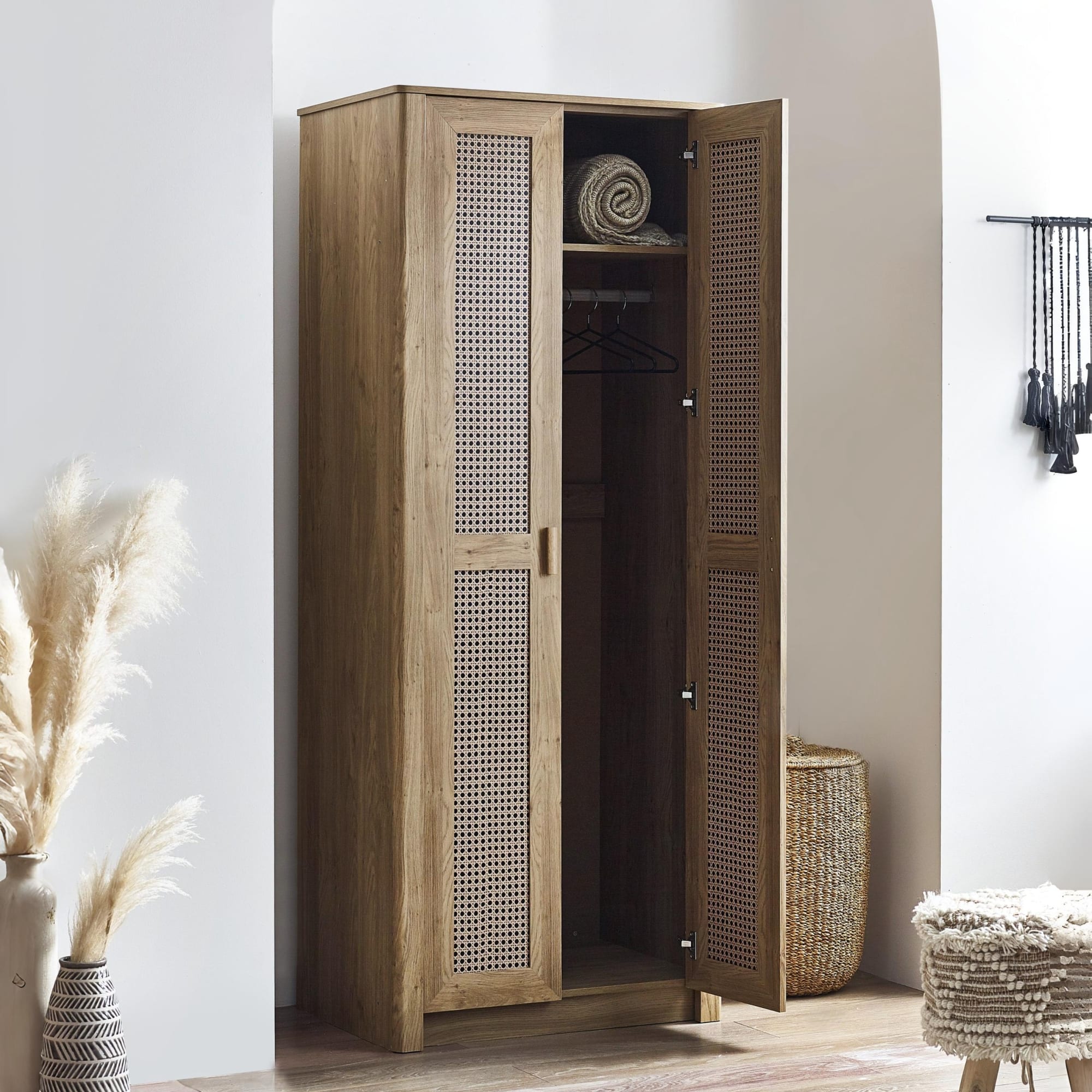
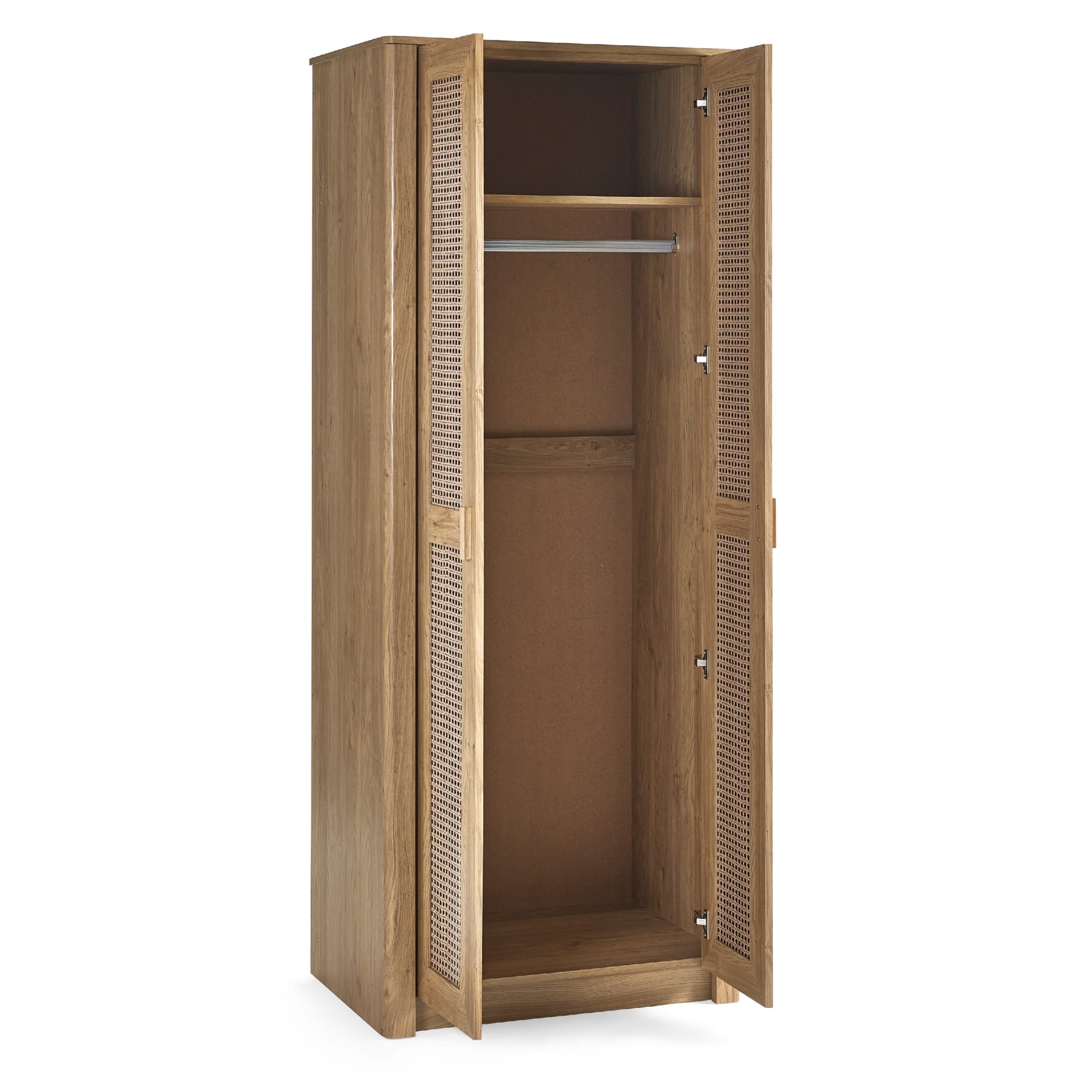
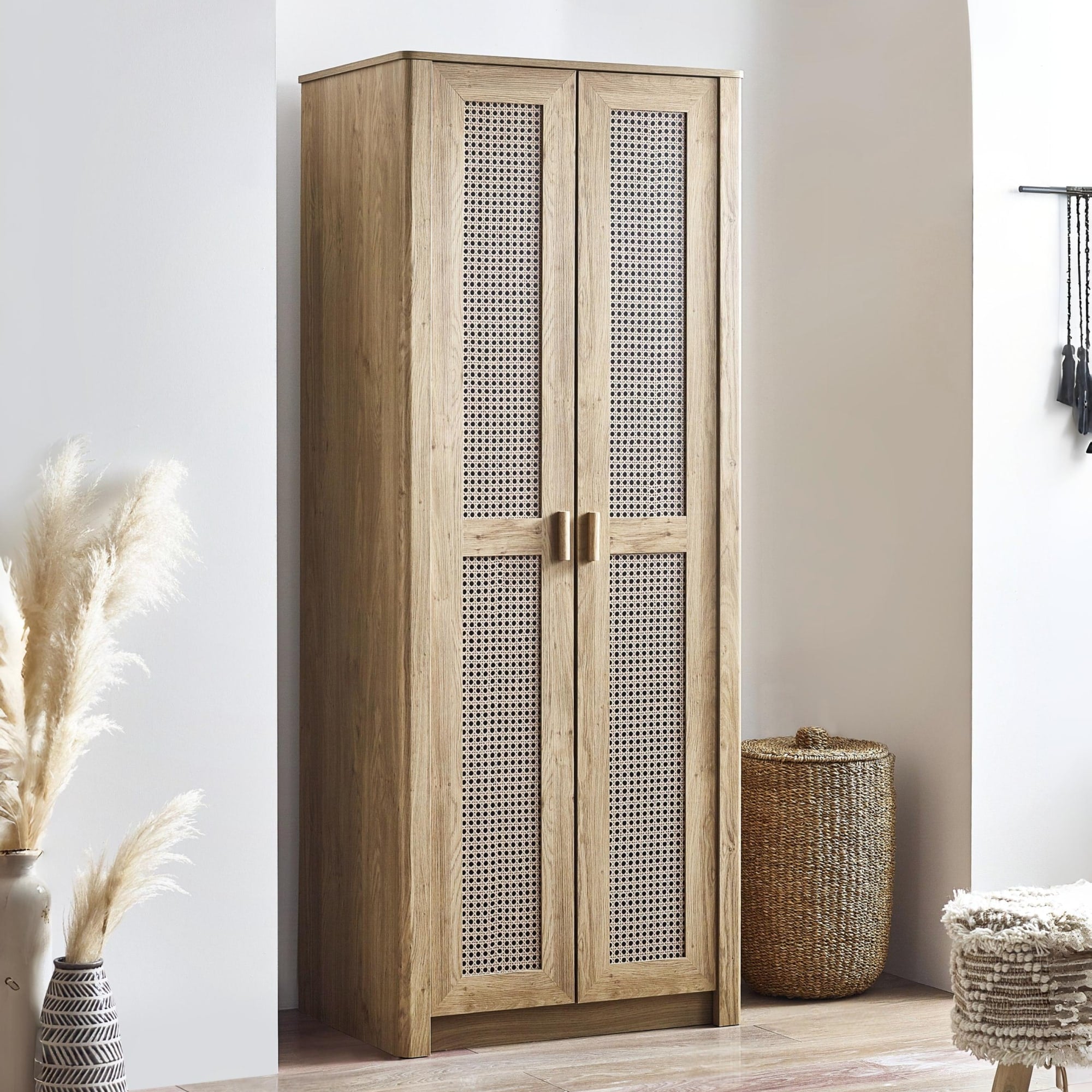
Wardrobes — freestanding wardrobe storage in two-door and combination configurations across oak, white, grey, and black finishes. The most significant storage piece in most bedrooms and the one that shapes the room most after the bed itself.

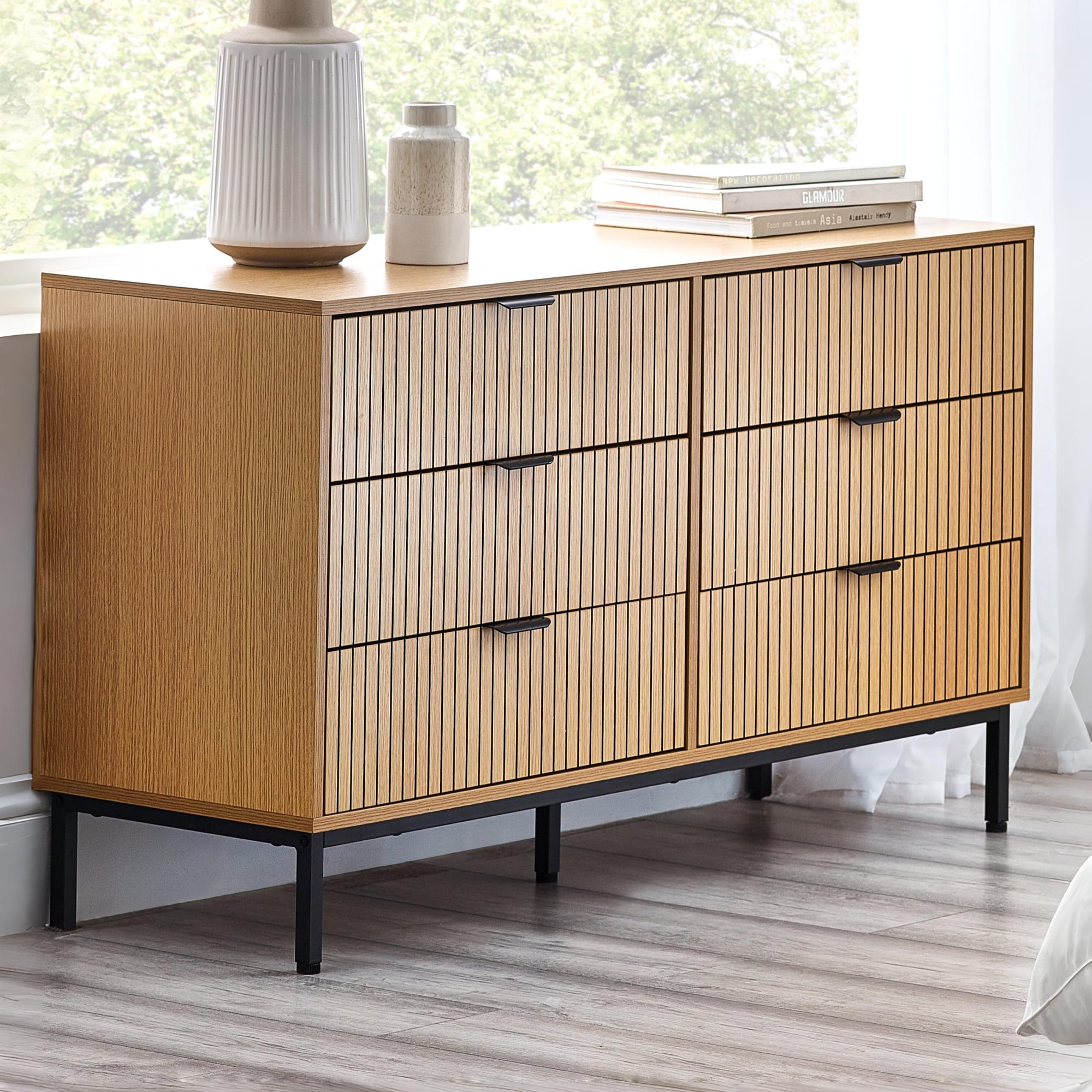
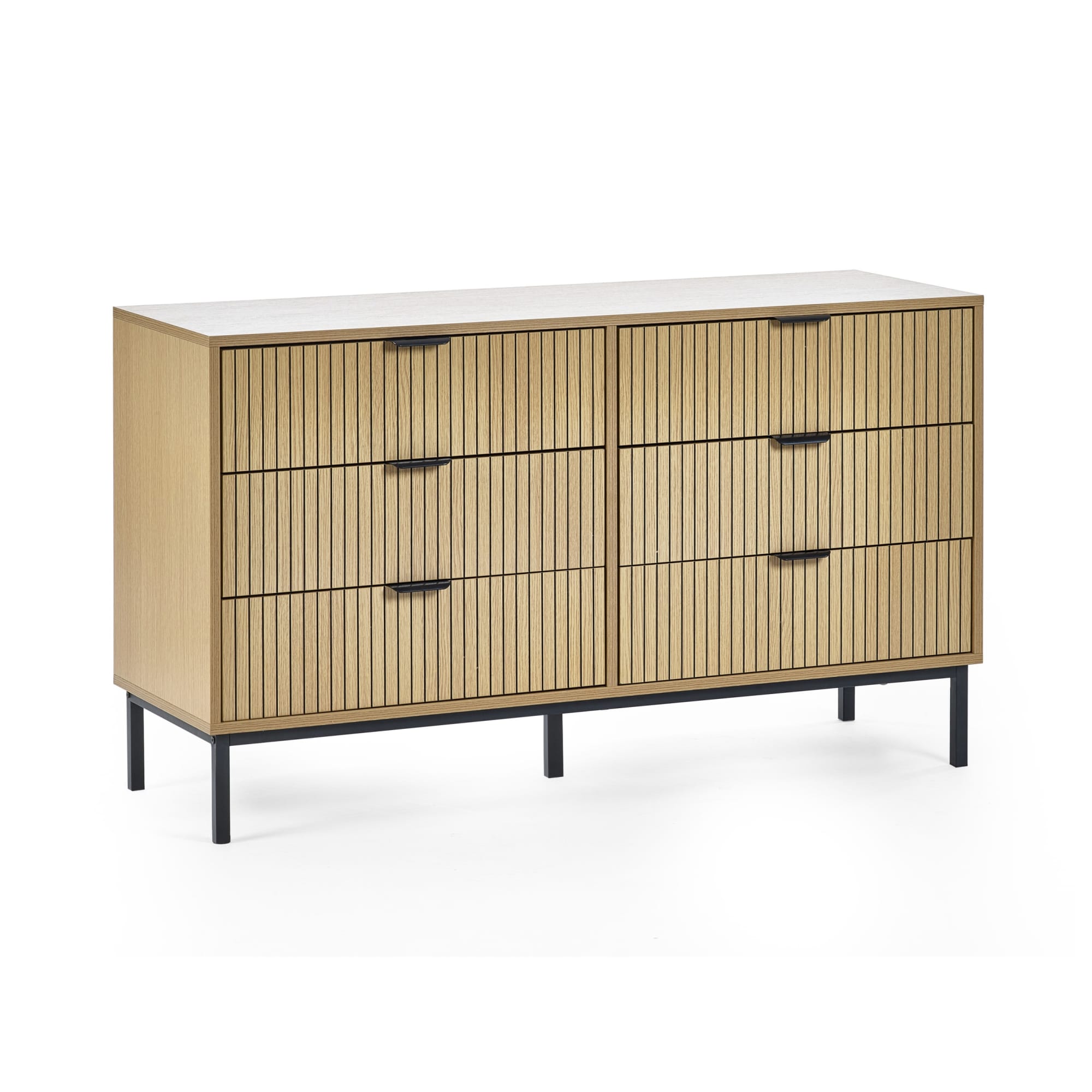
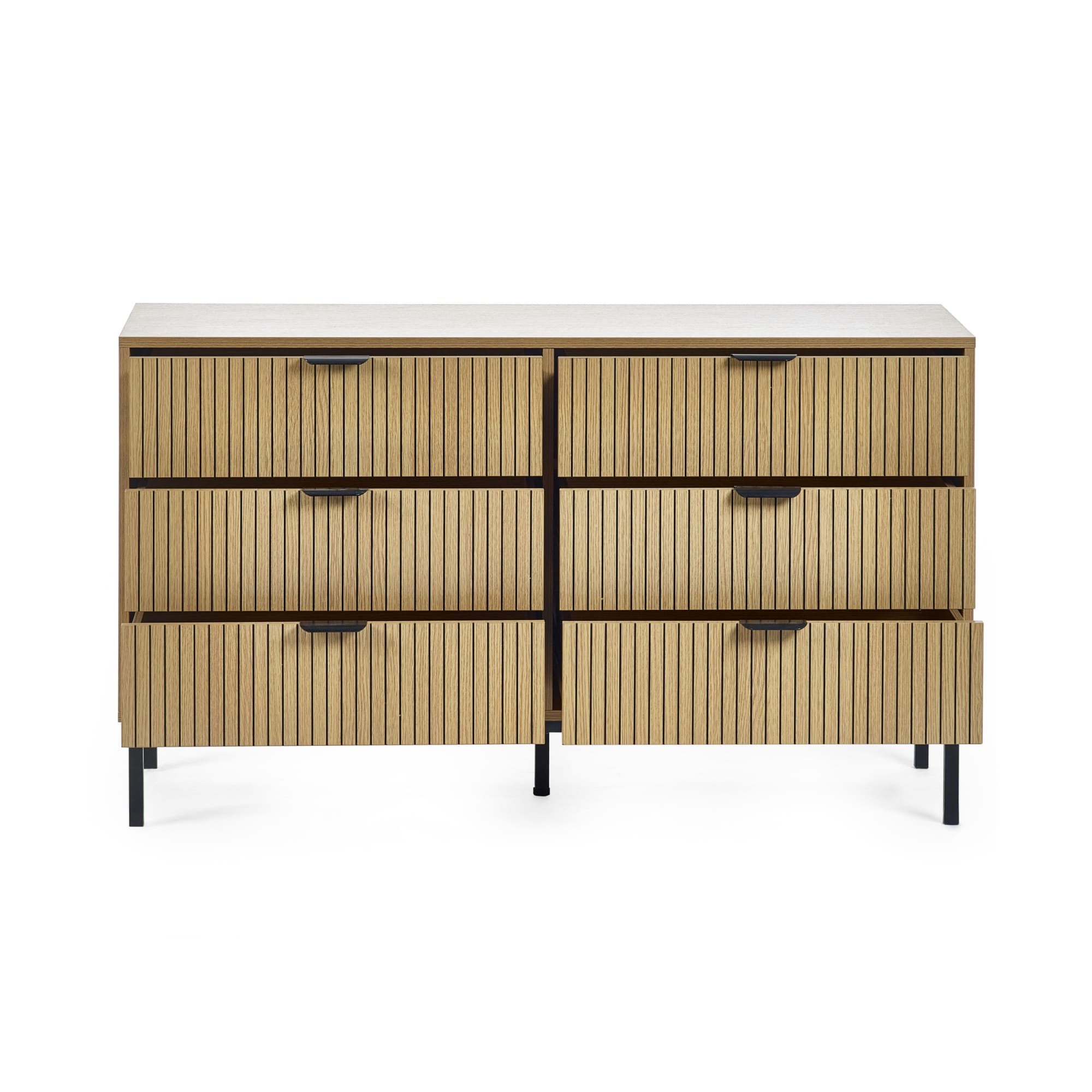
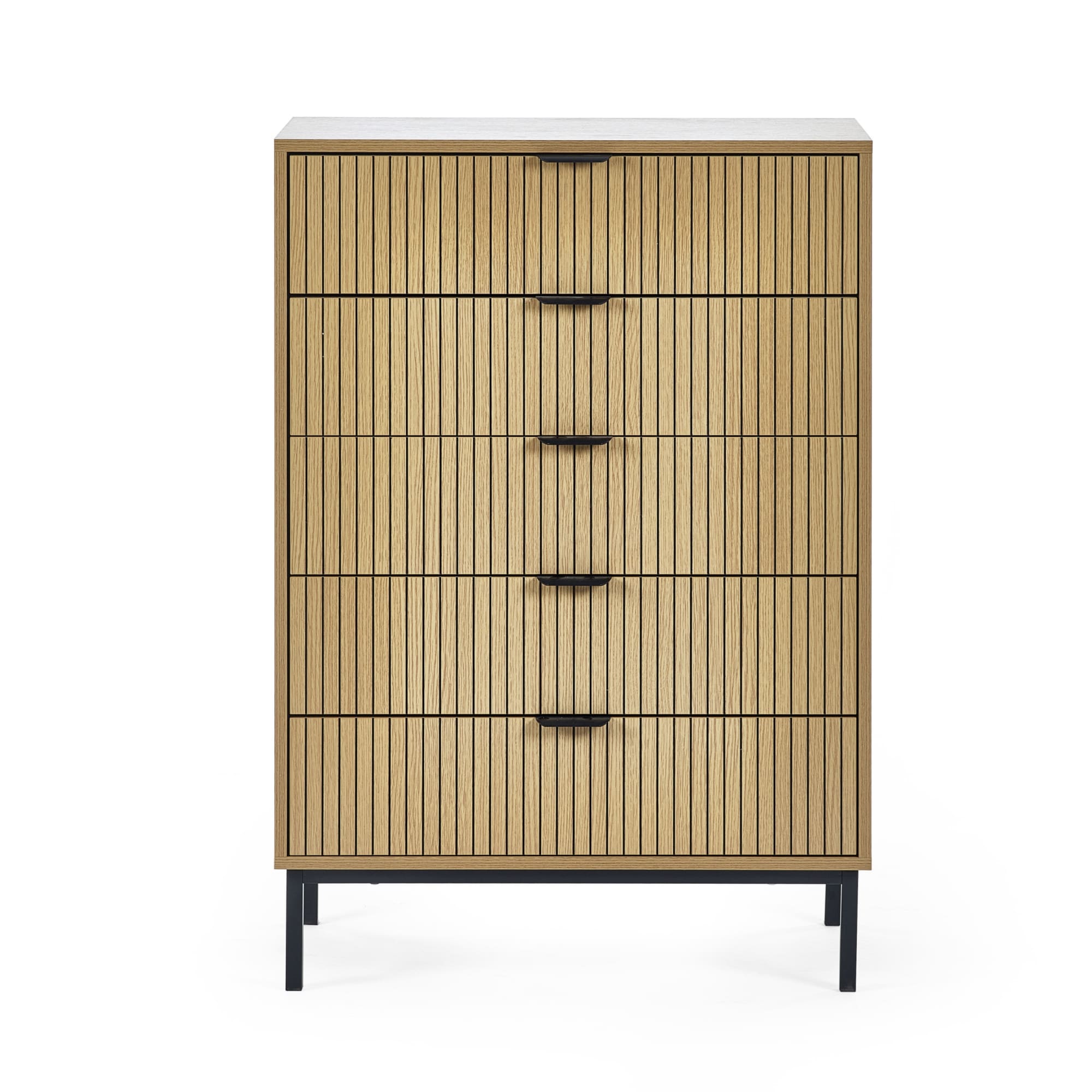
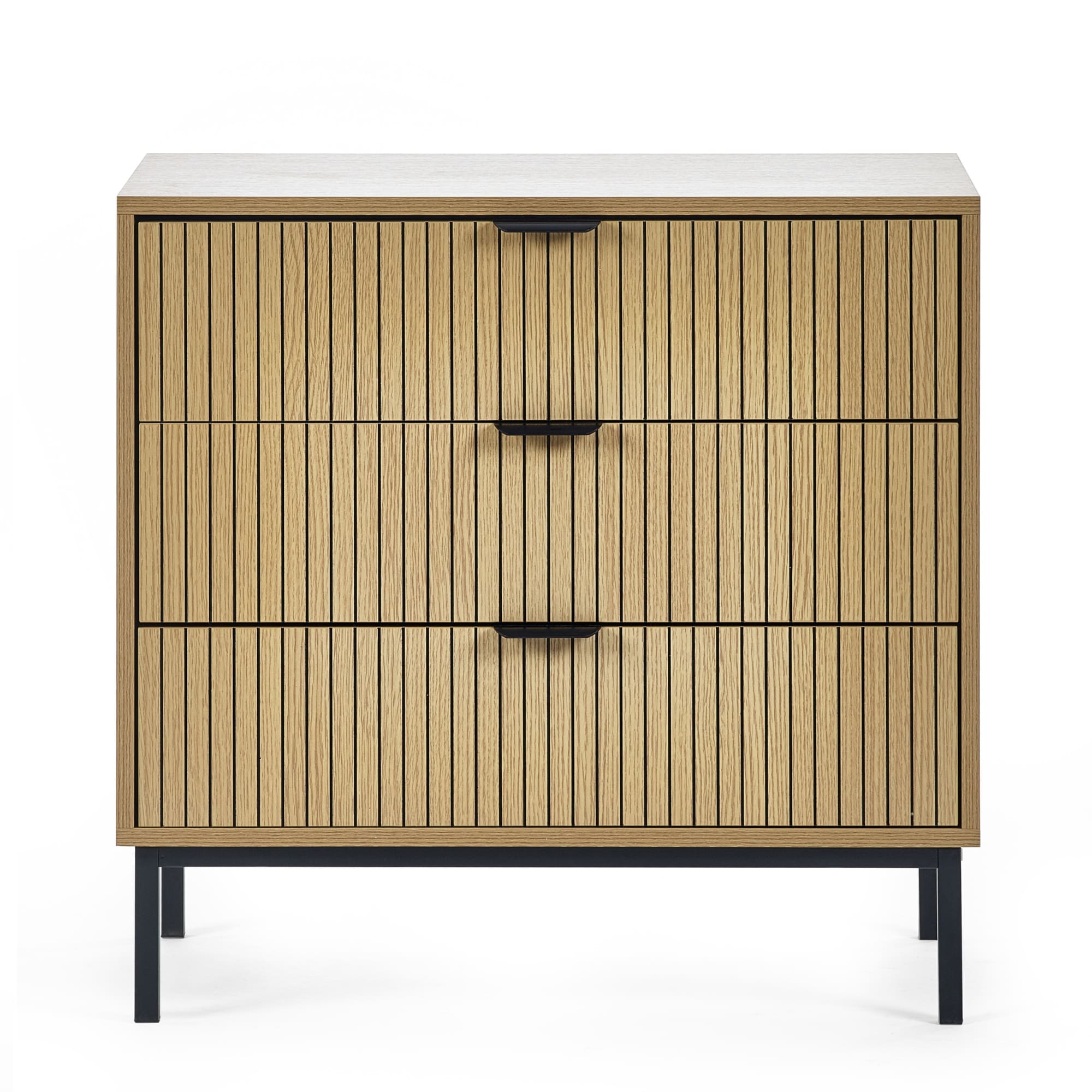
Chest of Drawers — drawer storage for clothing, accessories, and bedroom essentials. Available in a range of heights and finishes to suit both primary bedrooms and guest rooms. A chest of drawers alongside a wardrobe covers most storage needs; in rooms with generous wardrobe space, a chest of drawers alone may be sufficient.

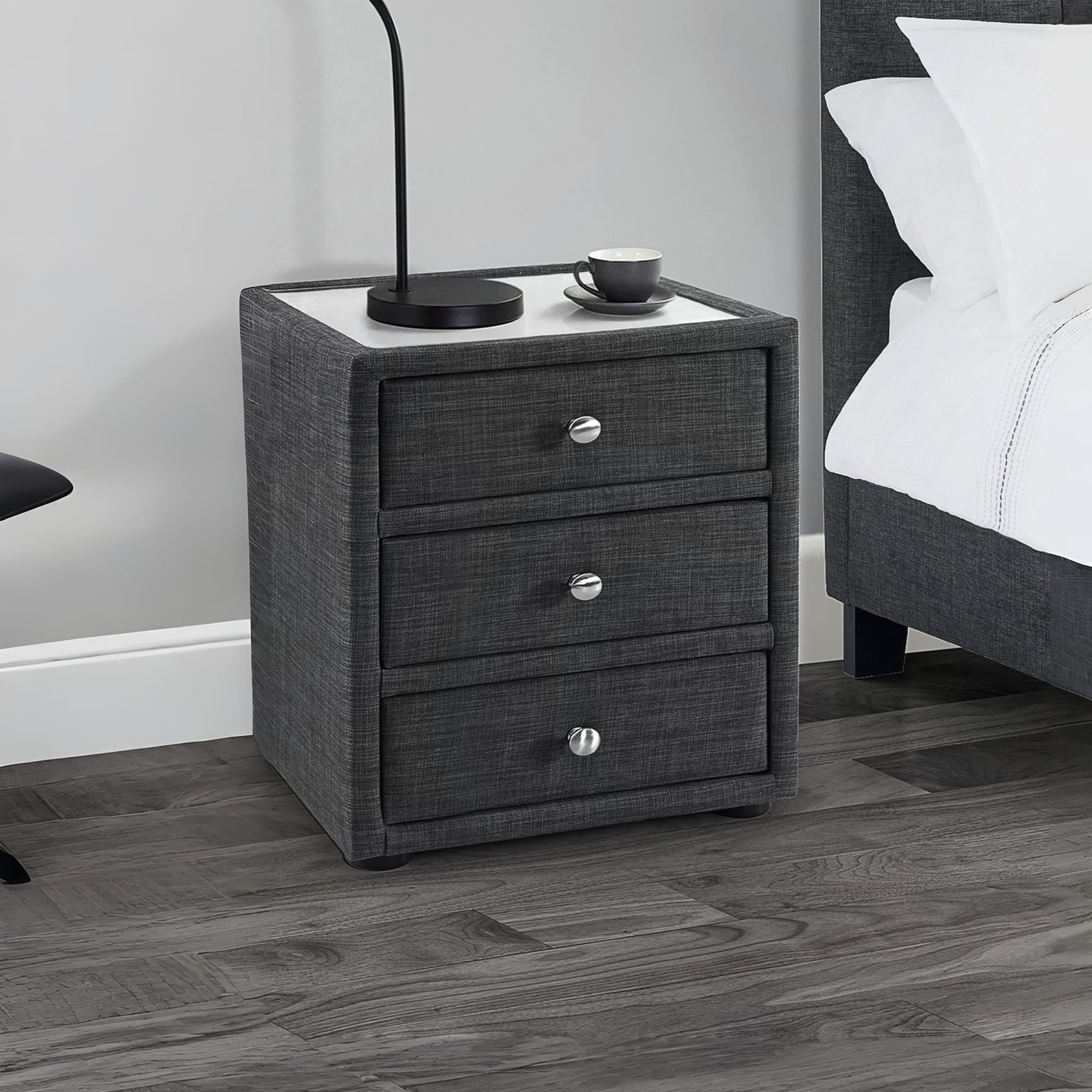
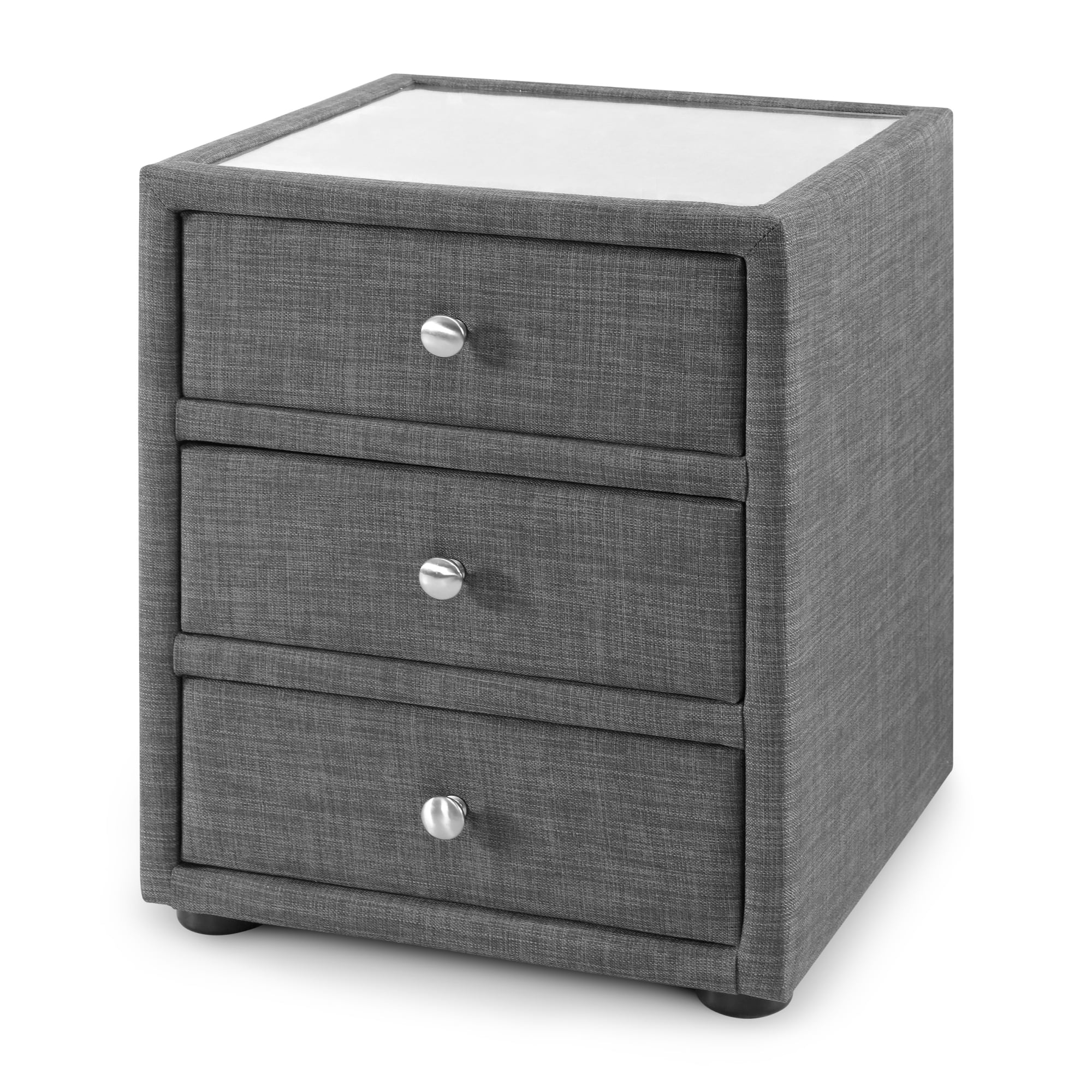
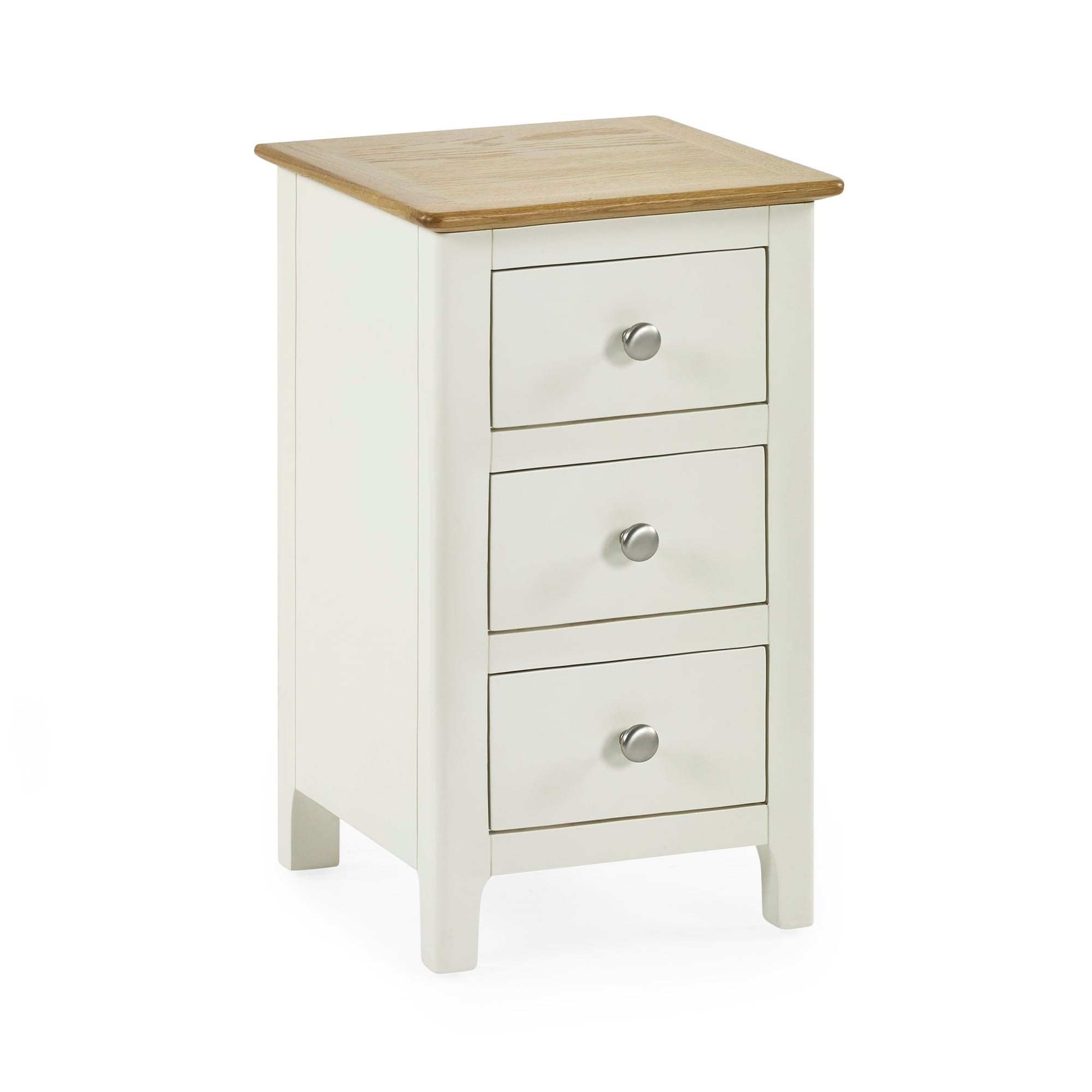
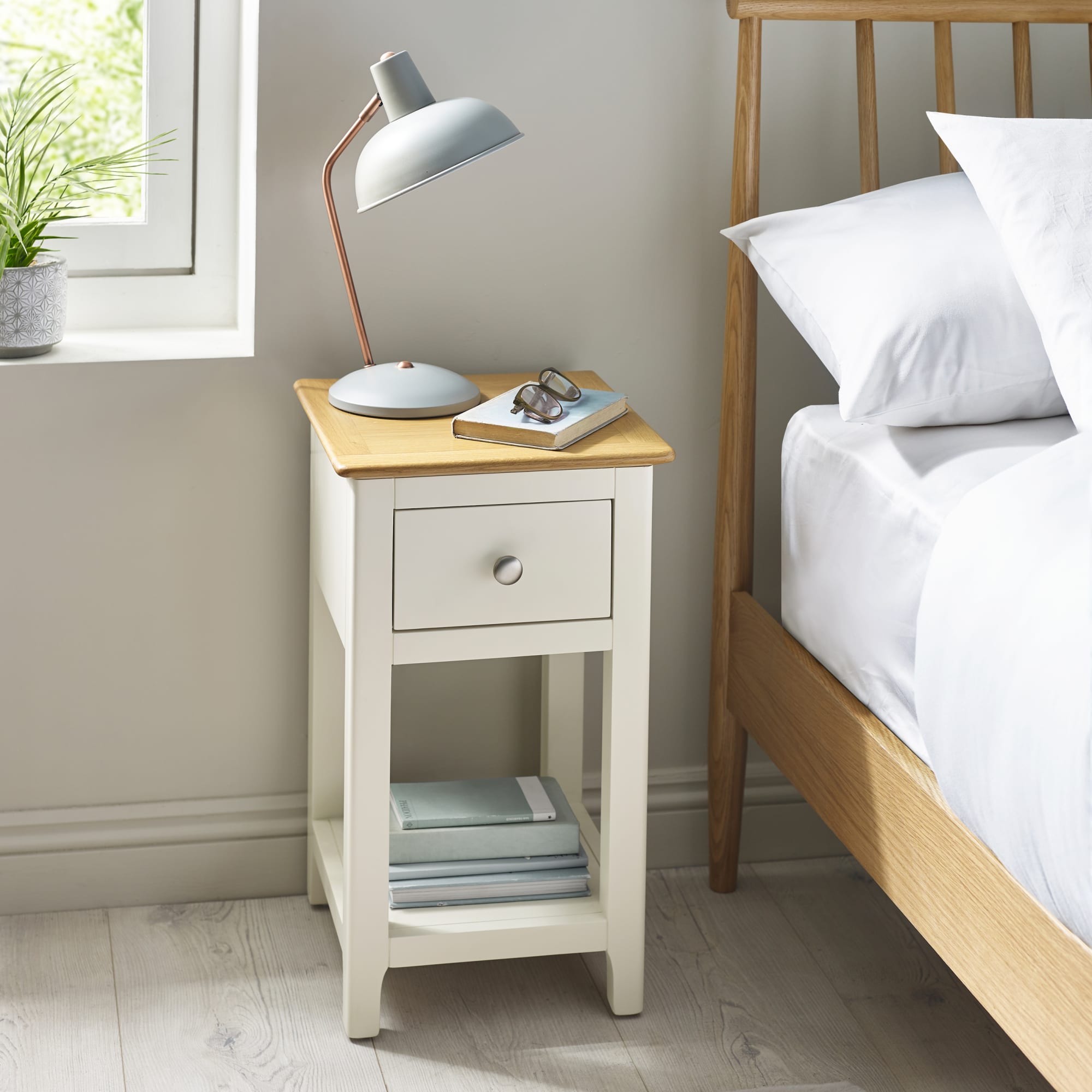
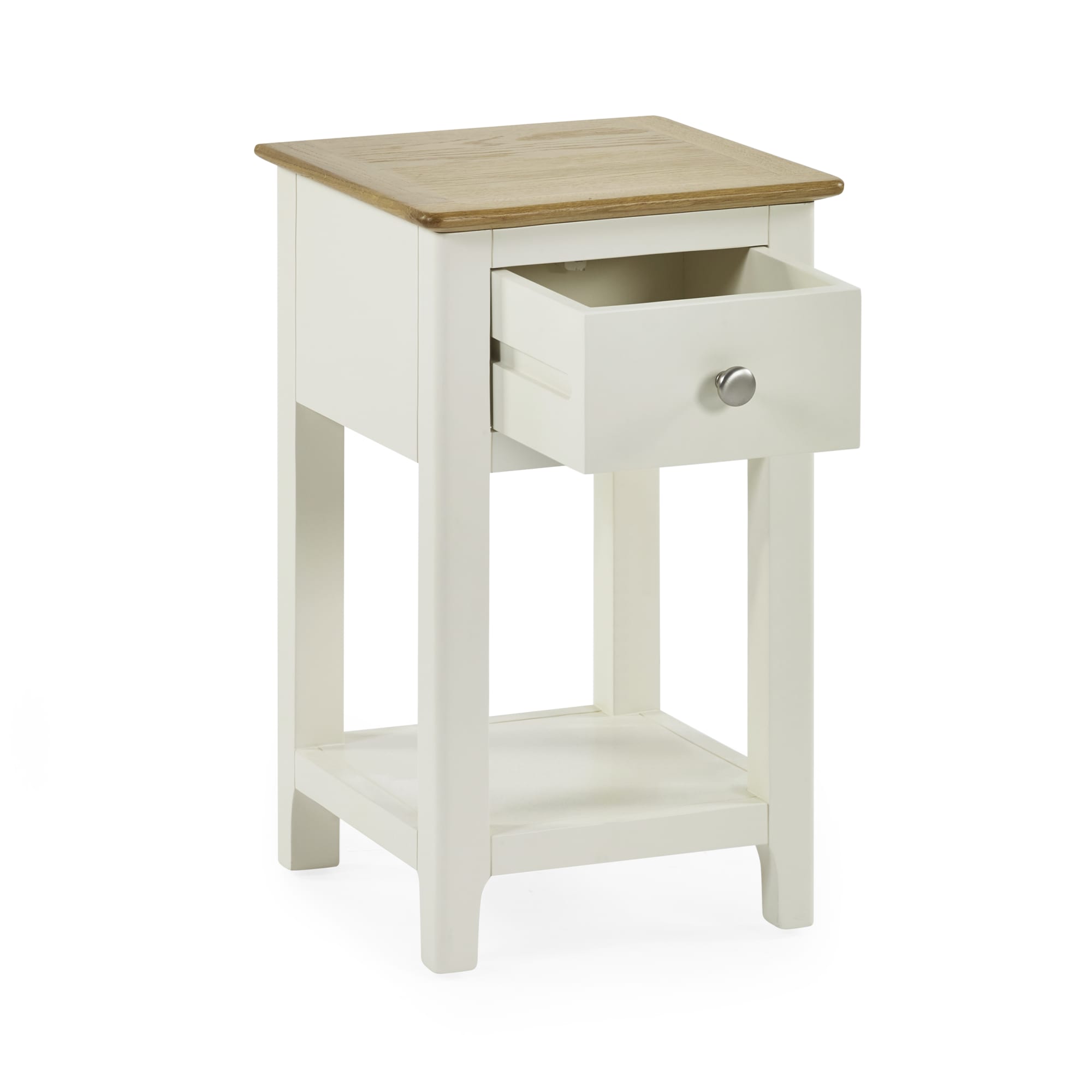
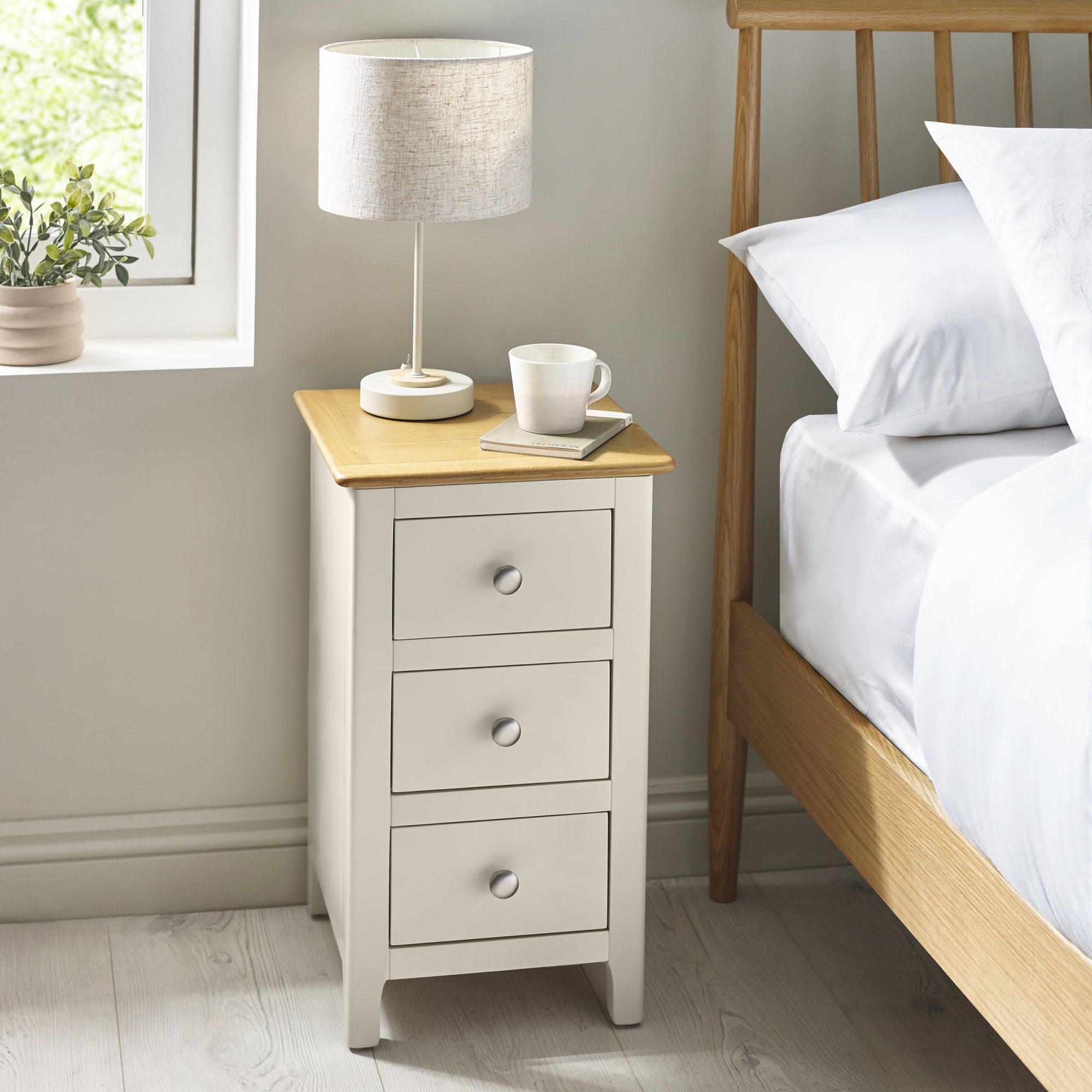
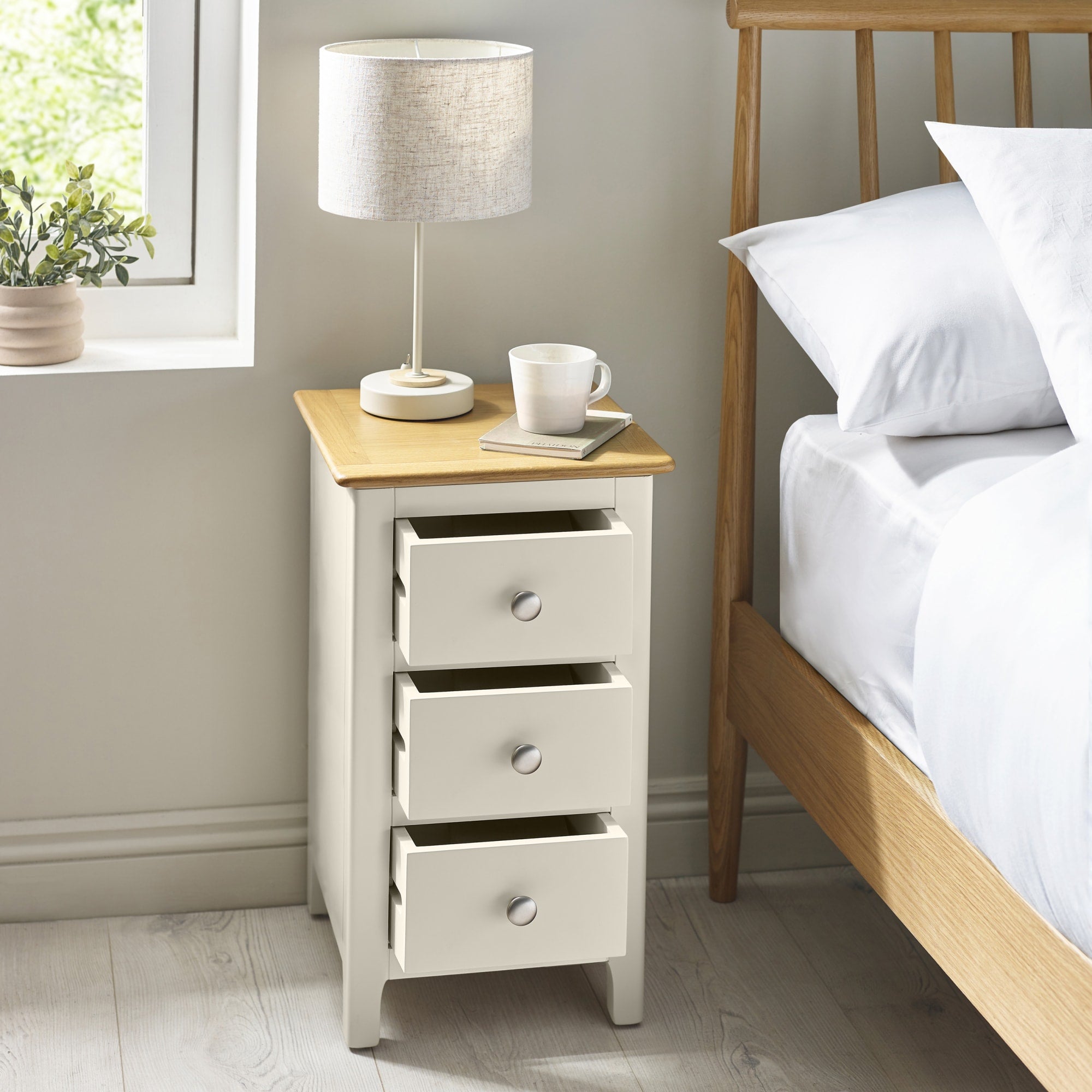
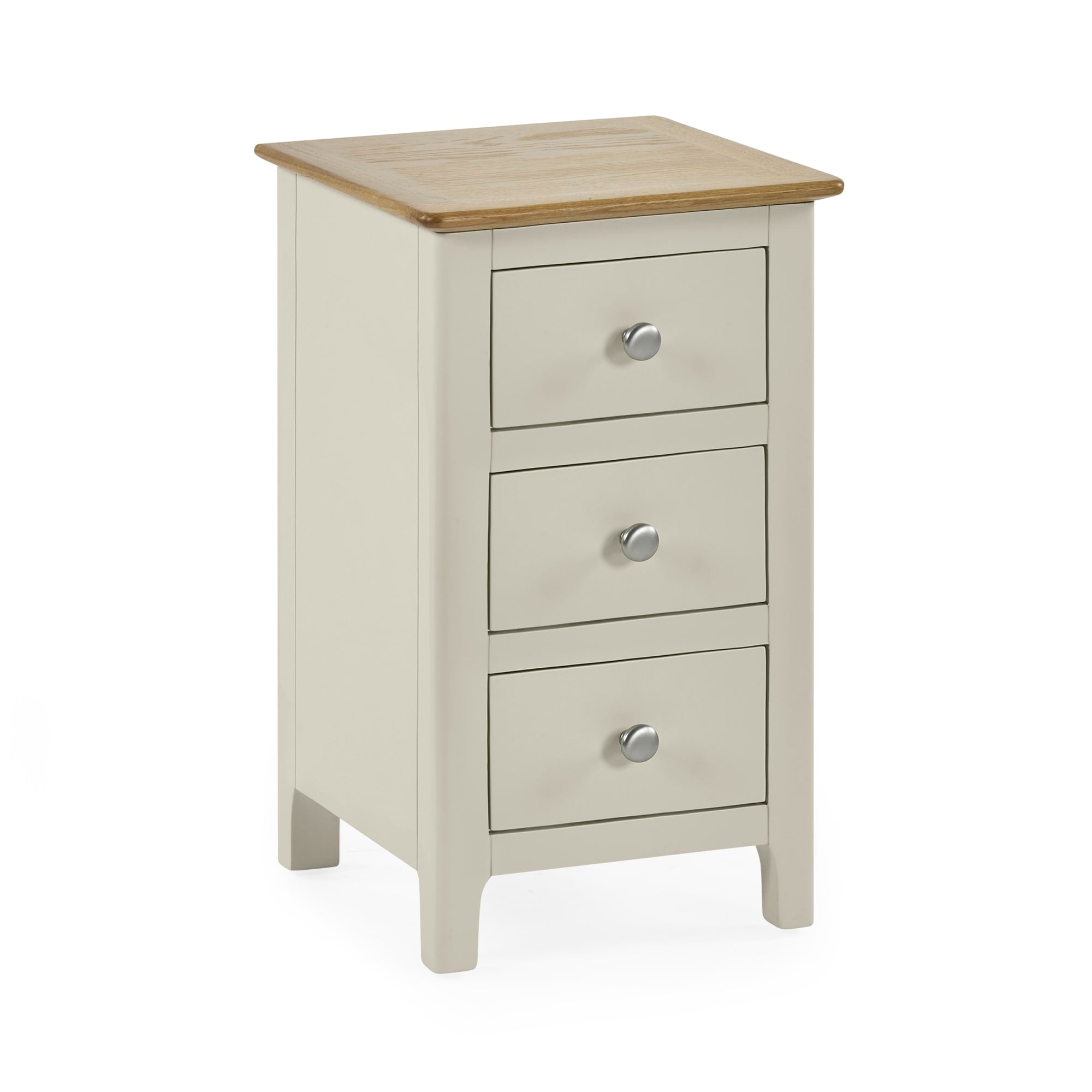
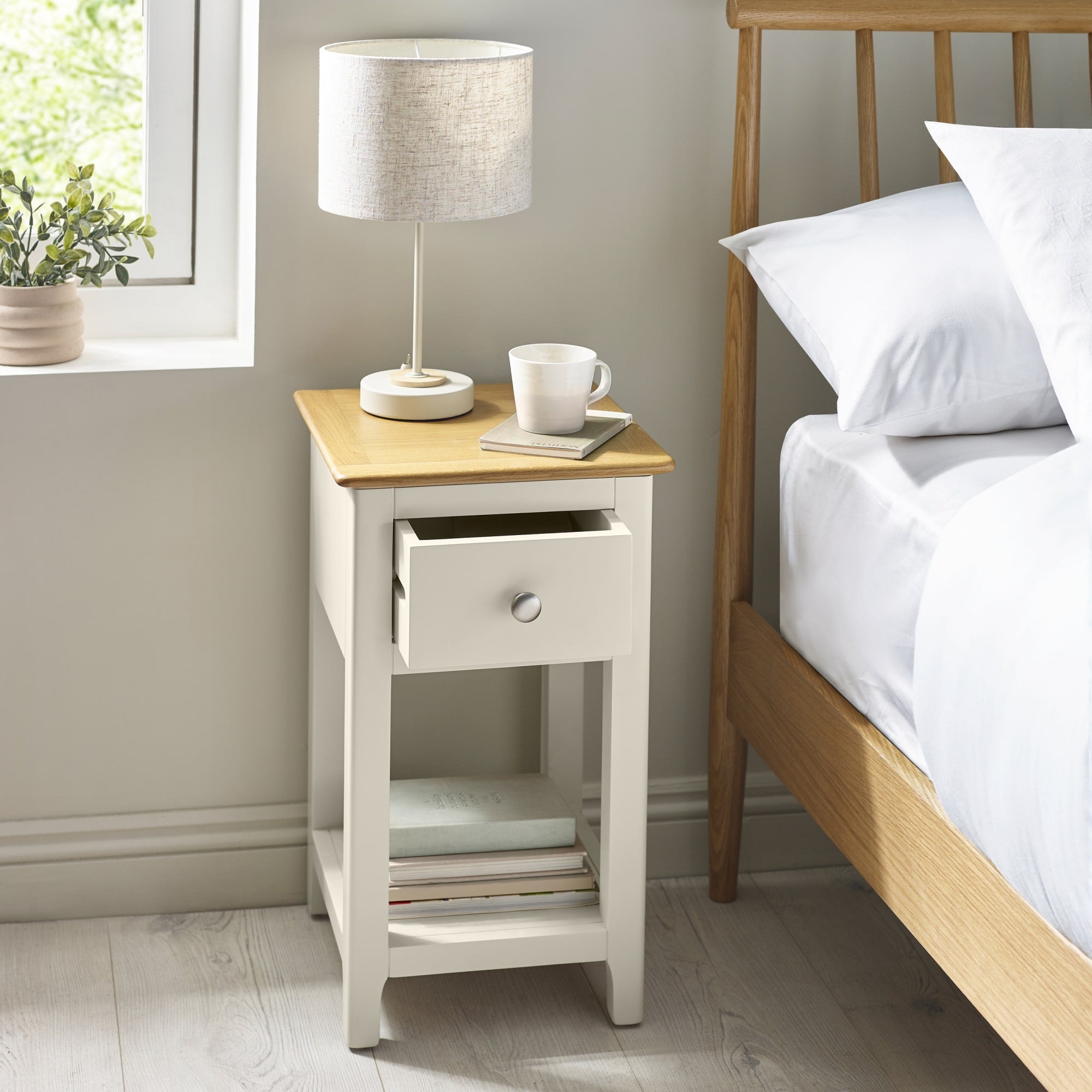
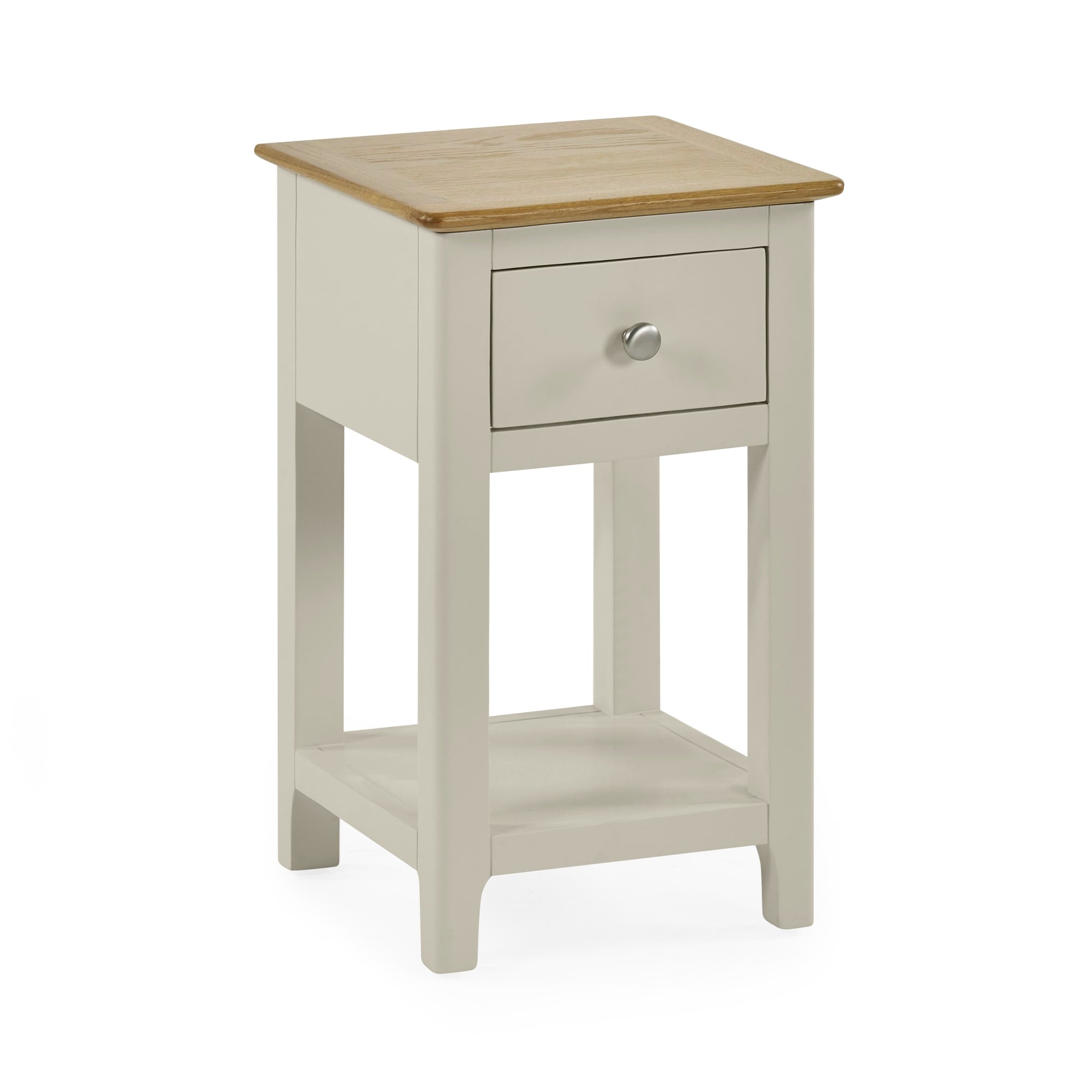
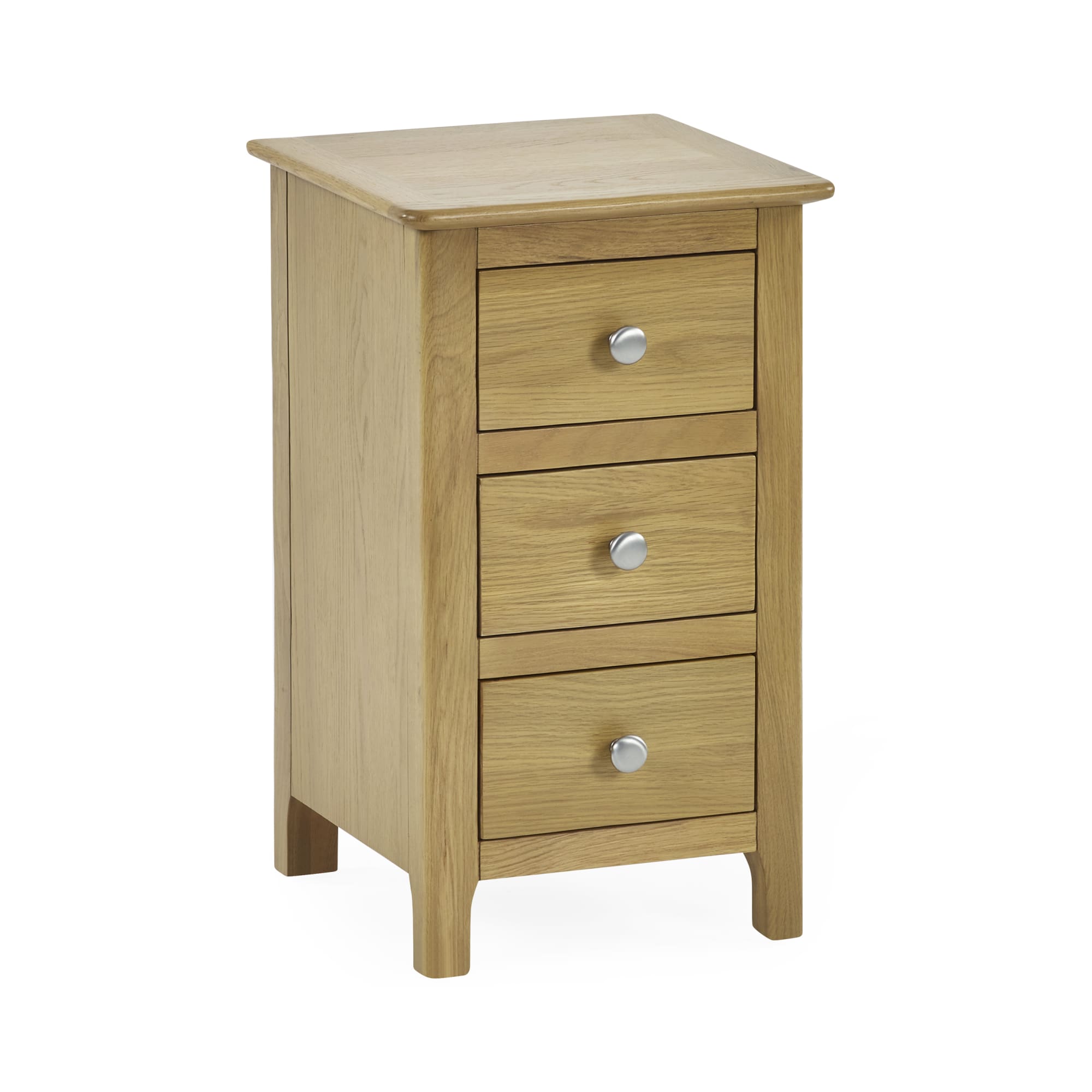
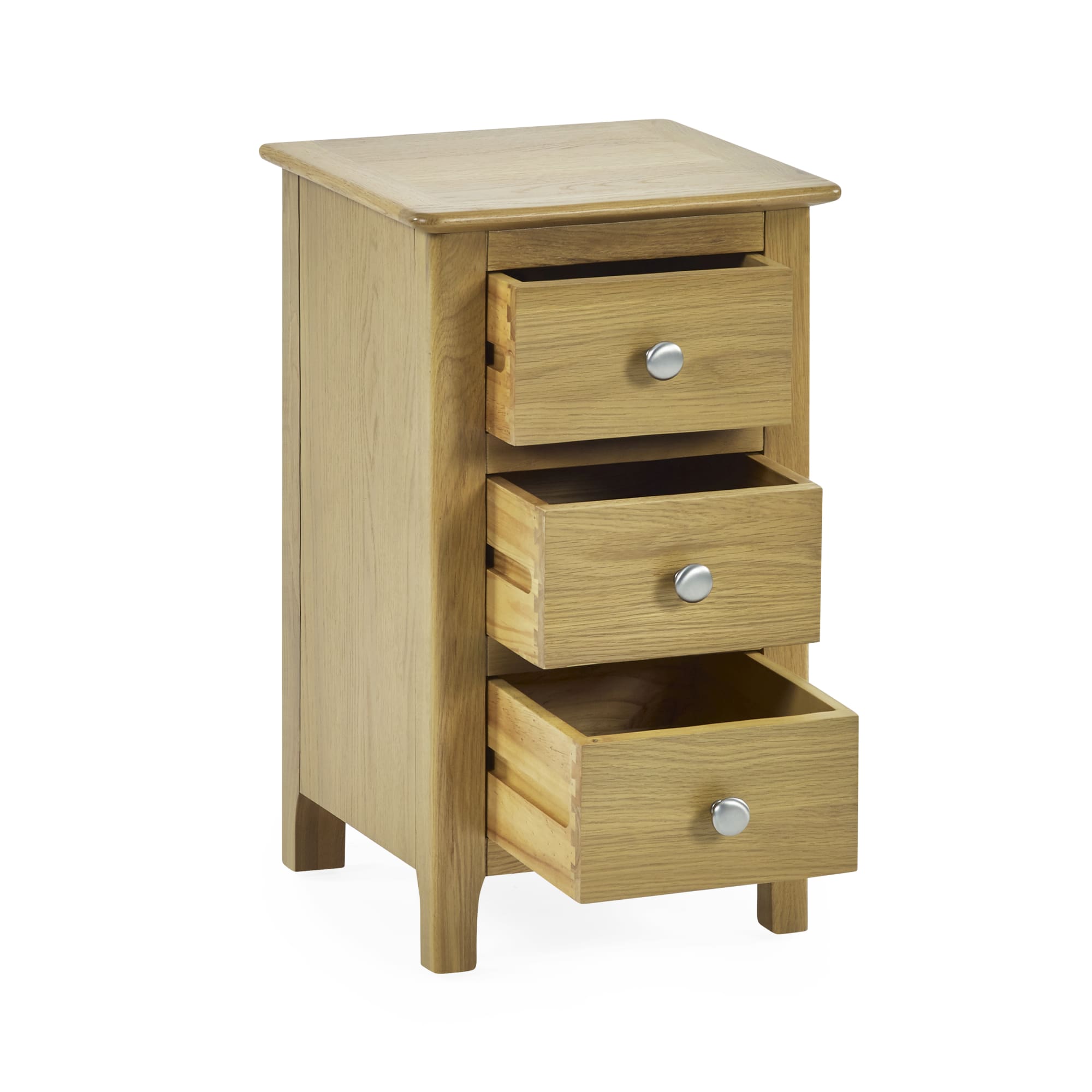
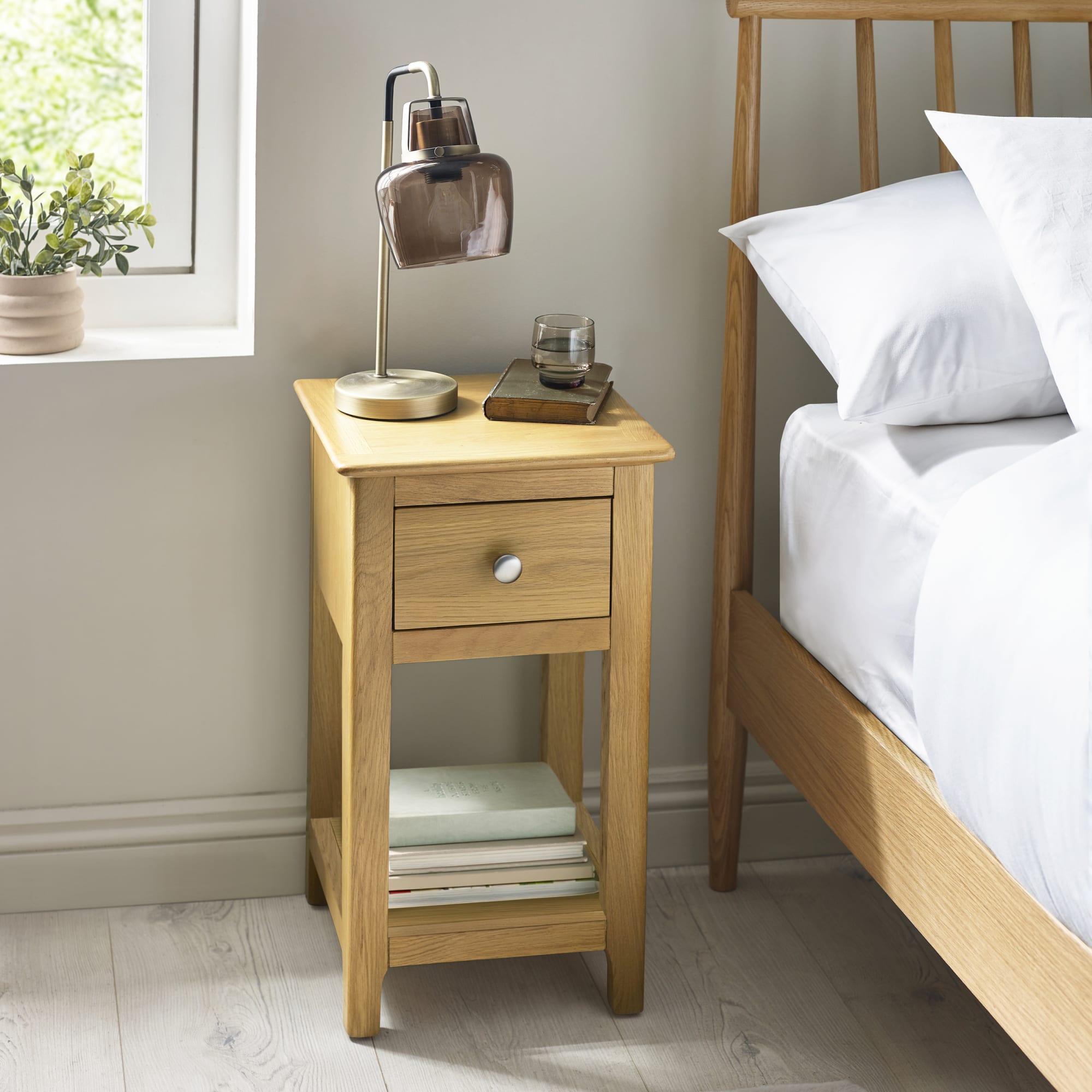
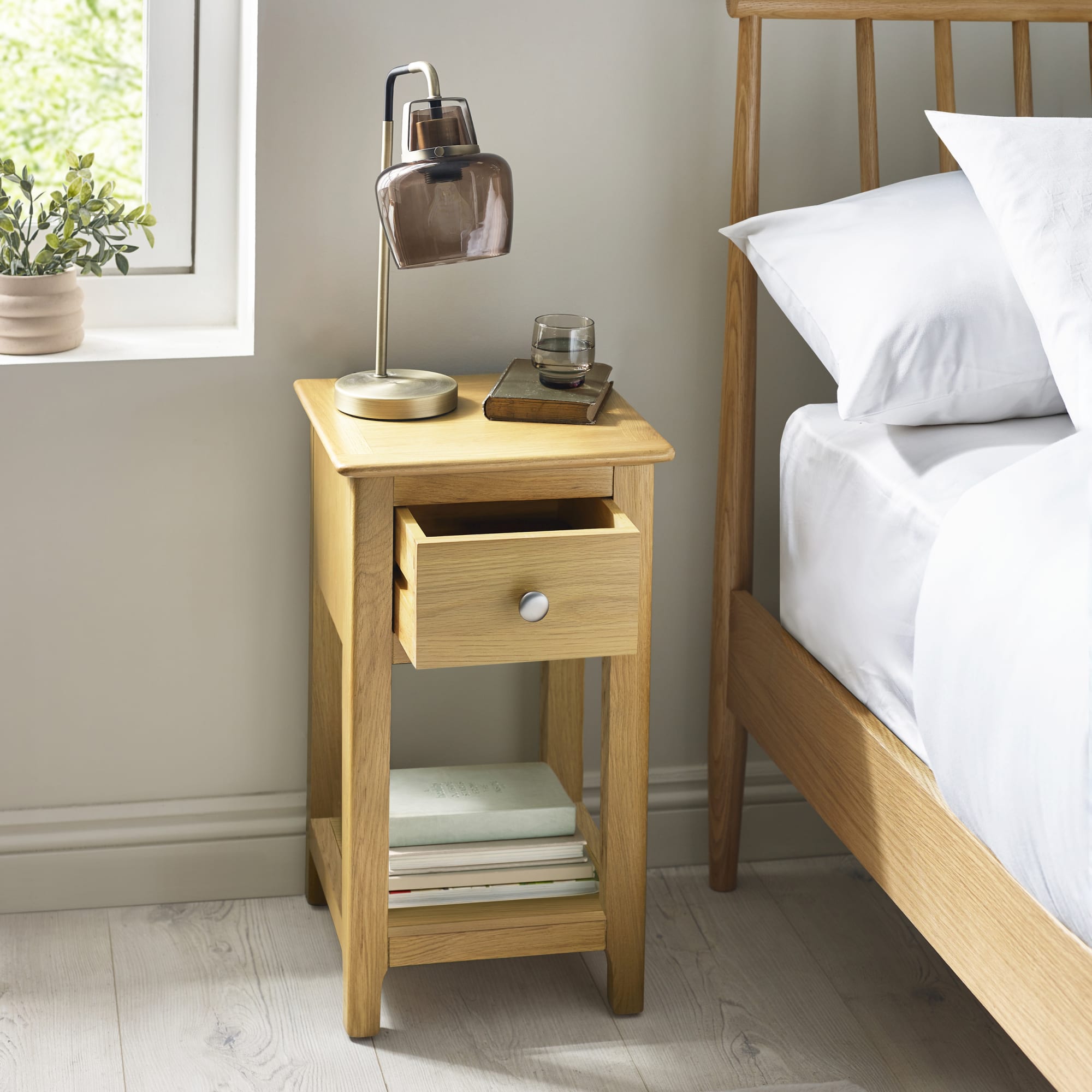
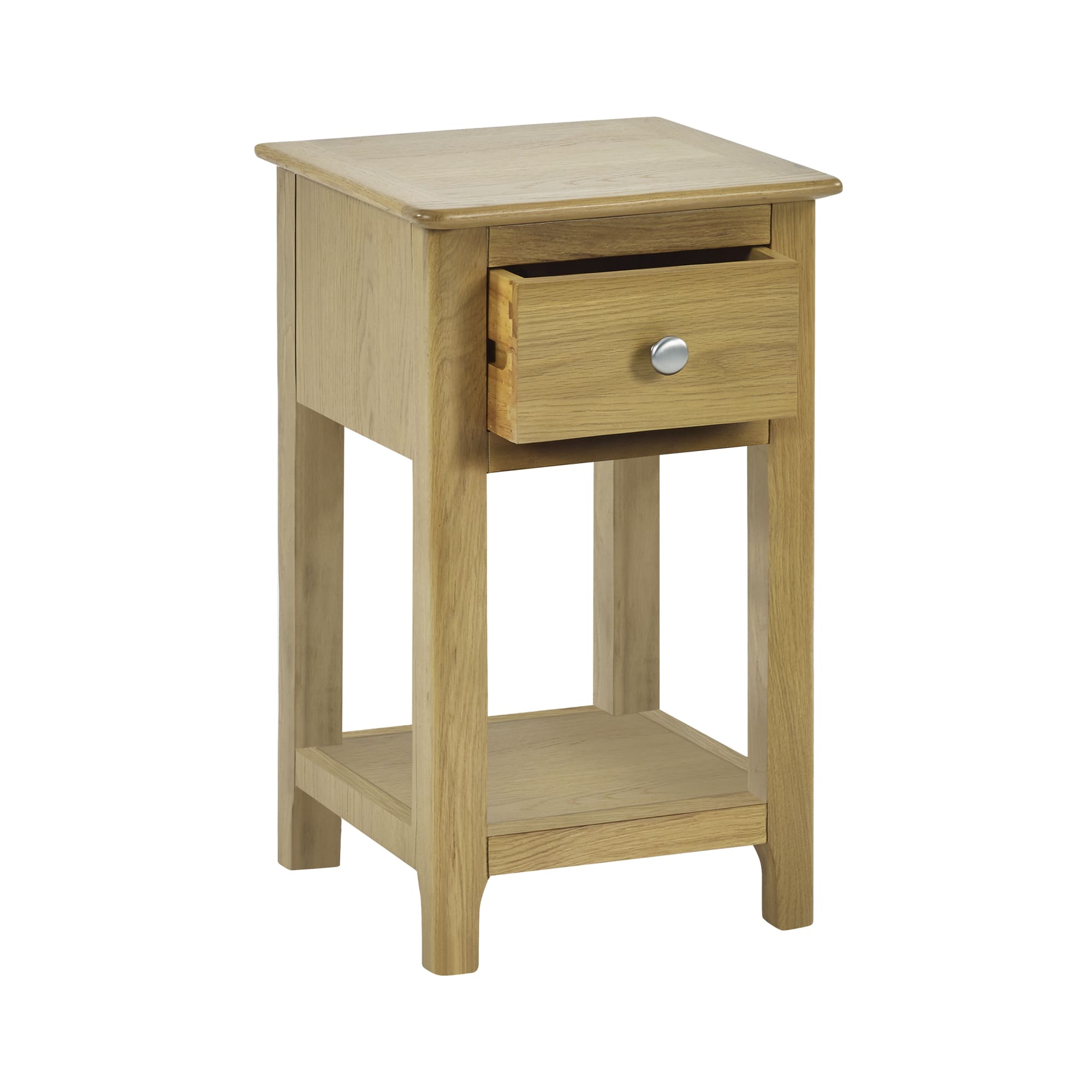
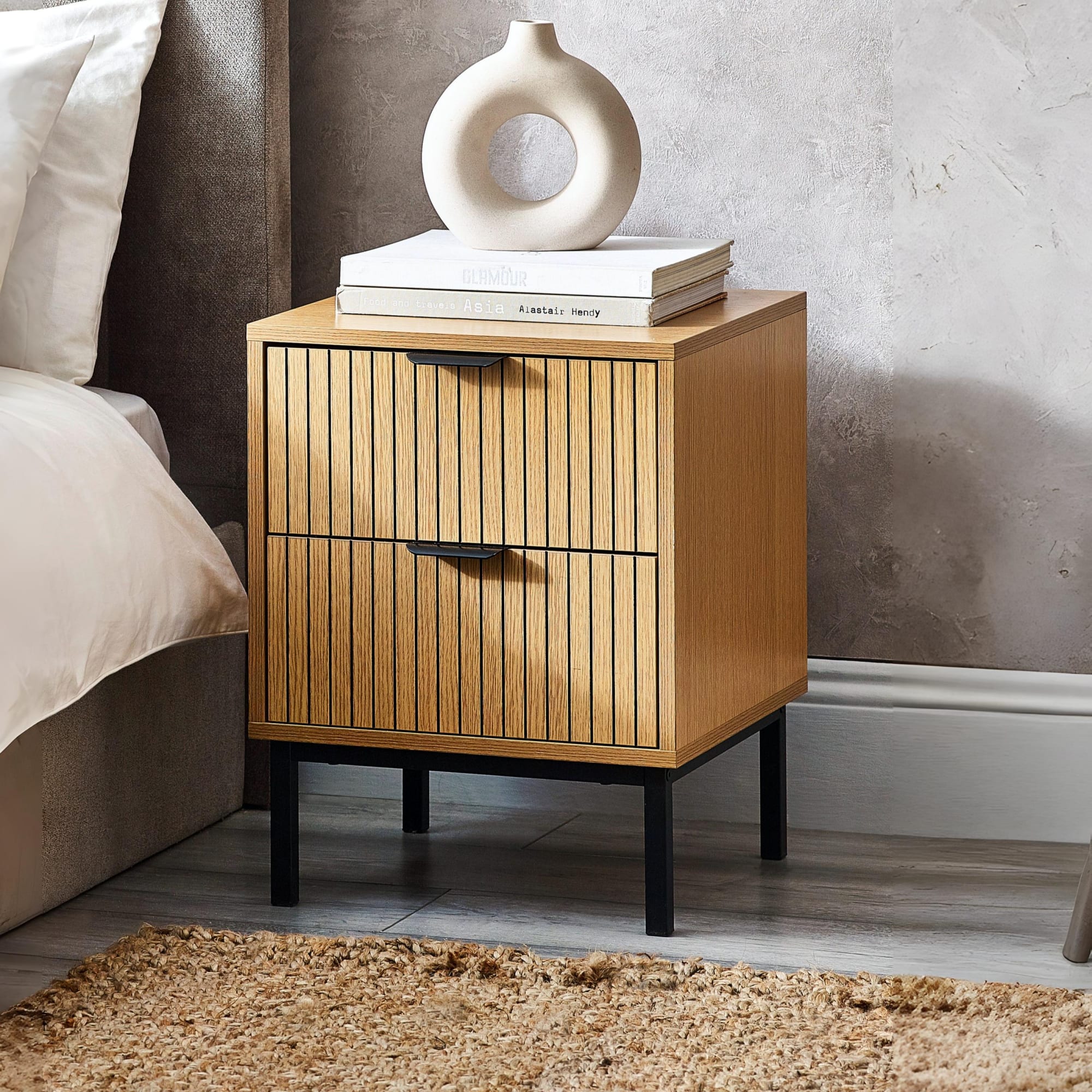
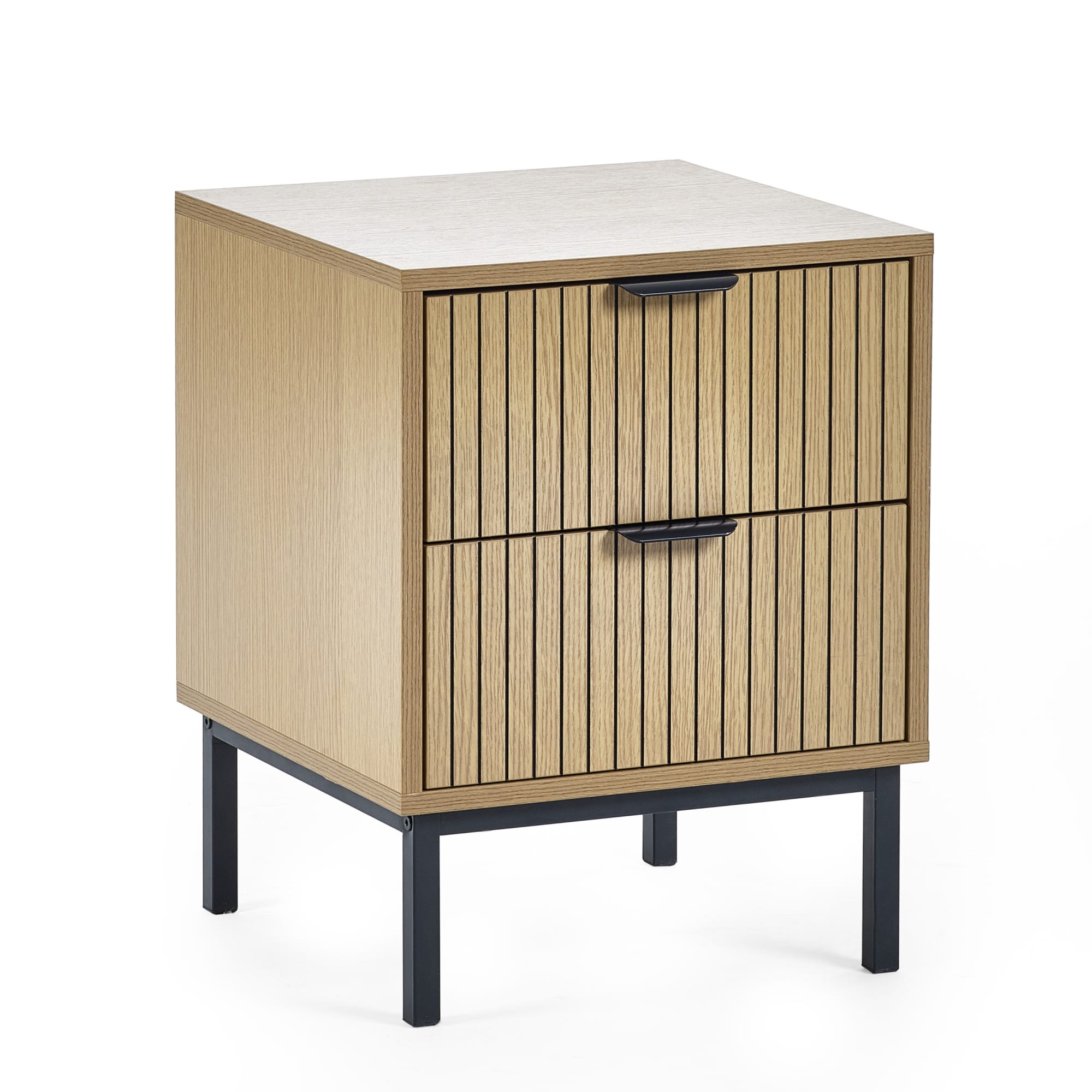
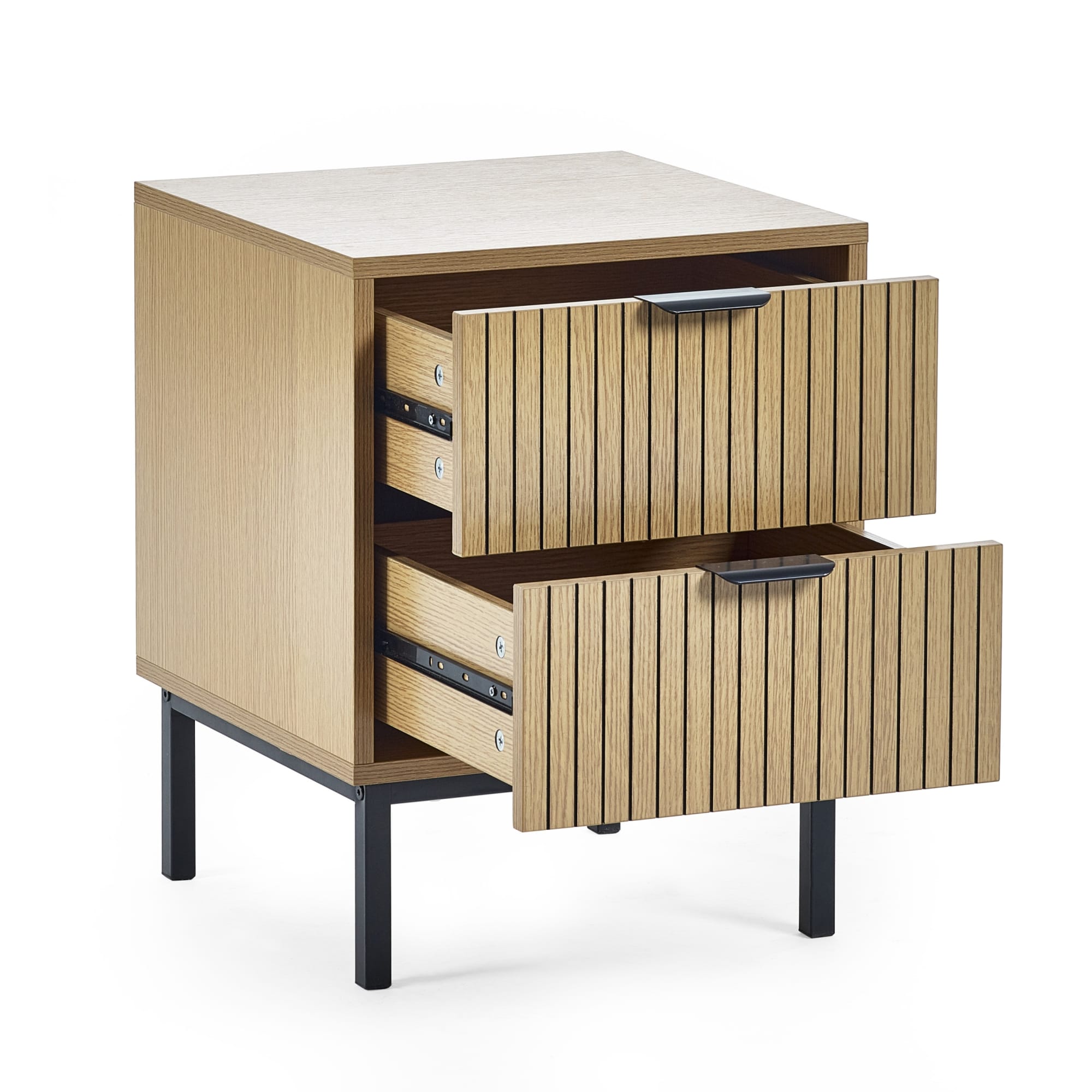
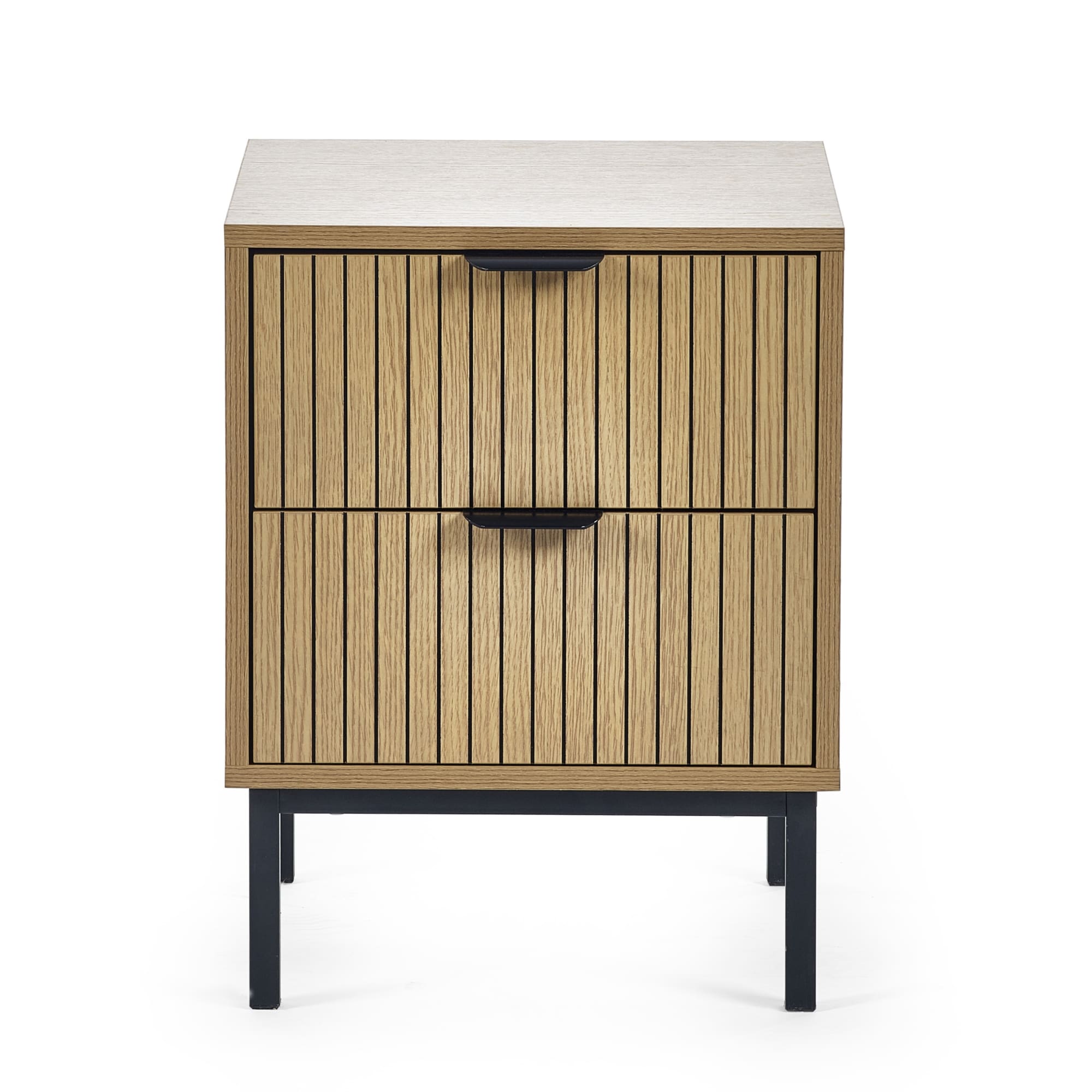
Bedside Tables — surface and small storage for either side of the bed. The most frequently used bedroom furniture piece after the bed itself — phone, lamp, book, and anything reached for in the night all live here. Available in a range of finishes to coordinate with the bed frame and wider bedroom scheme.

Dressing Tables — a dedicated surface for getting ready, with integrated or companion mirror options. Best positioned where natural light is available — beside a window rather than facing it. Suits primary bedrooms and larger guest rooms where the additional surface area serves a genuine daily function.

Mattresses — the sleeping surface that determines sleep quality more than any other single bedroom purchase. Available in every standard UK size from single through to super king. Browse by size: single, small single, small double, double, king size, and super king.

Children's Bedroom Furniture

Children's bedrooms have specific furniture requirements that adult bedroom ranges don't address — particularly around bed configuration, safety, and the need to accommodate sleeping, playing, and studying within a single small room. Airedale Living children's bed range covers every stage from first proper bed through to teenager.

Kids' Beds — the full children's bed collection across all types and ages. Browse the parent hub for an age-by-age guide to choosing the right bed type for your child's current stage.

High Sleepers — raised sleeping frames with a full desk, storage, or futon underneath. Suitable from age 6. The most space-efficient single-child bed configuration available — combining sleeping and study space in a single footprint. Requires ceiling height of at least 200–230cm.

Mid-Sleepers — lower raised sleeping frames with play, desk, or storage space underneath at a child-accessible height. Suitable from age 4–6. Lower than a high sleeper, safer for younger children, and suited to rooms with standard or slightly lower ceiling heights.

Bunk Beds — two sleeping surfaces in the footprint of one. The most space-efficient solution for shared children's bedrooms. Bottom bunk from age 4; top bunk from age 6. Available in single-over-single, L-shape, and storage configurations.

Coordinating Your Bedroom: What Works Together

A bedroom feels most considered when the main pieces share a consistent material or finish language. These are the combinations that tend to work most naturally across the Airedale Living bedroom range.

Pale oak and warm white. The most popular contemporary bedroom combination in UK homes — warm, light-reflective, and compatible with a wide range of wall colours. Pale oak bed frame alongside warm white or stone-white chest of drawers and bedside tables. Works with soft linen bedding, natural textures, and warm lighting.

Grey and soft neutrals. A mid-grey upholstered bed frame alongside grey or light oak storage pieces creates a calm, contemporary bedroom that suits both minimalist and layered interior styles. Grey upholstery pairs well with cream and warm white bedding and warm brass or timber accents in accessories and lighting.

All-white or near-white. The brightest and most light-reflective combination — particularly effective in north-facing bedrooms where every surface helps. White bed frame, white chest of drawers, white bedside tables. Requires considered bedding and accessory choices to prevent the room from feeling clinical; warm textures and a single accent colour in cushions and throws create the necessary softness.

Dark wood and black. For primary bedrooms where a bolder, more dramatic aesthetic is the intention. Dark oak or walnut-effect furniture creates a sophisticated, hotel-inspired bedroom — particularly effective with statement upholstered headboards and layered warm lighting.

Every Airedale Living bedroom furniture piece comes with free UK delivery. Beds arrive ready for self-assembly with all fixings and instructions included.

Browse the full bedroom furniture collection above — and build the bedroom your home deserves.

Frequently Asked Questions

The essential pieces for a complete bedroom are a bed frame, a mattress, and some form of clothing storage — typically a wardrobe, a chest of drawers, or a combination of both. A bedside table on each side of the bed is highly practical for daily use. A dressing table suits primary bedrooms where a dedicated getting-ready surface is useful. Beyond these essentials, the pieces you actually need depend on your room's existing storage, the size of the bedroom, and how you use the space. Browse by category: wardrobes, chest of drawers, bedside tables, dressing tables, and mattresses.

Bedroom furniture doesn't need to match exactly — but it benefits from sharing a consistent finish language. Two or three pieces in closely related finishes (pale oak and warm white, for example, or different grey tones) create a coherent room without the slightly corporate feeling of everything being identical. The bed frame and the largest storage piece (wardrobe or chest of drawers) are the most important to coordinate, as they occupy the most visual space. Bedside tables can introduce a slight variation or complement. Avoid combining more than two or three distinct finish families in a single bedroom — this tends to produce a room that looks accumulated rather than considered.

Start with the bed size your room can accommodate with comfortable walkway clearance on all sides — at least 60cm on each accessible side of the bed, and 50cm at the foot. Once the bed size is established, the remaining wall space determines what storage pieces will fit. A standard double wardrobe is typically 90–120cm wide; a standard chest of drawers is 70–90cm wide. Measure your available wall lengths carefully before selecting furniture, and plan the full floor layout including walkways before ordering. Browse by bed size: single, double, king size, super king.

Not necessarily — it depends on your storage requirements and room size. A wardrobe provides hanging space and often some shelving; a chest of drawers provides folded clothing storage. Many households need both; some need more of one and less of the other. If your bedroom has a large built-in wardrobe with adequate drawer space, a standalone chest of drawers may be redundant. If your built-in storage is limited to hanging rails, a chest of drawers fills the gap efficiently. If the bedroom has an ottoman storage bed, some of the chest of drawers function may already be covered by the under-bed storage. Browse wardrobes and chest of drawers to compare.

Children's bedrooms have specific requirements that differ significantly from adult bedrooms particularly around bed type, safety specifications, and the need to accommodate sleeping, studying, and play in a limited space. Browse the full kids' beds collection for an age-by-age guide covering high sleepers (age 6+, with desk or storage beneath), mid-sleepers (age 4+, lower raised sleeping area), and bunk beds (two sleeping surfaces in shared bedrooms, bottom bunk from age 4, top bunk from age 6). For storage in a child's room, a compact chest of drawers alongside the bed covers most clothing and possession storage needs.