
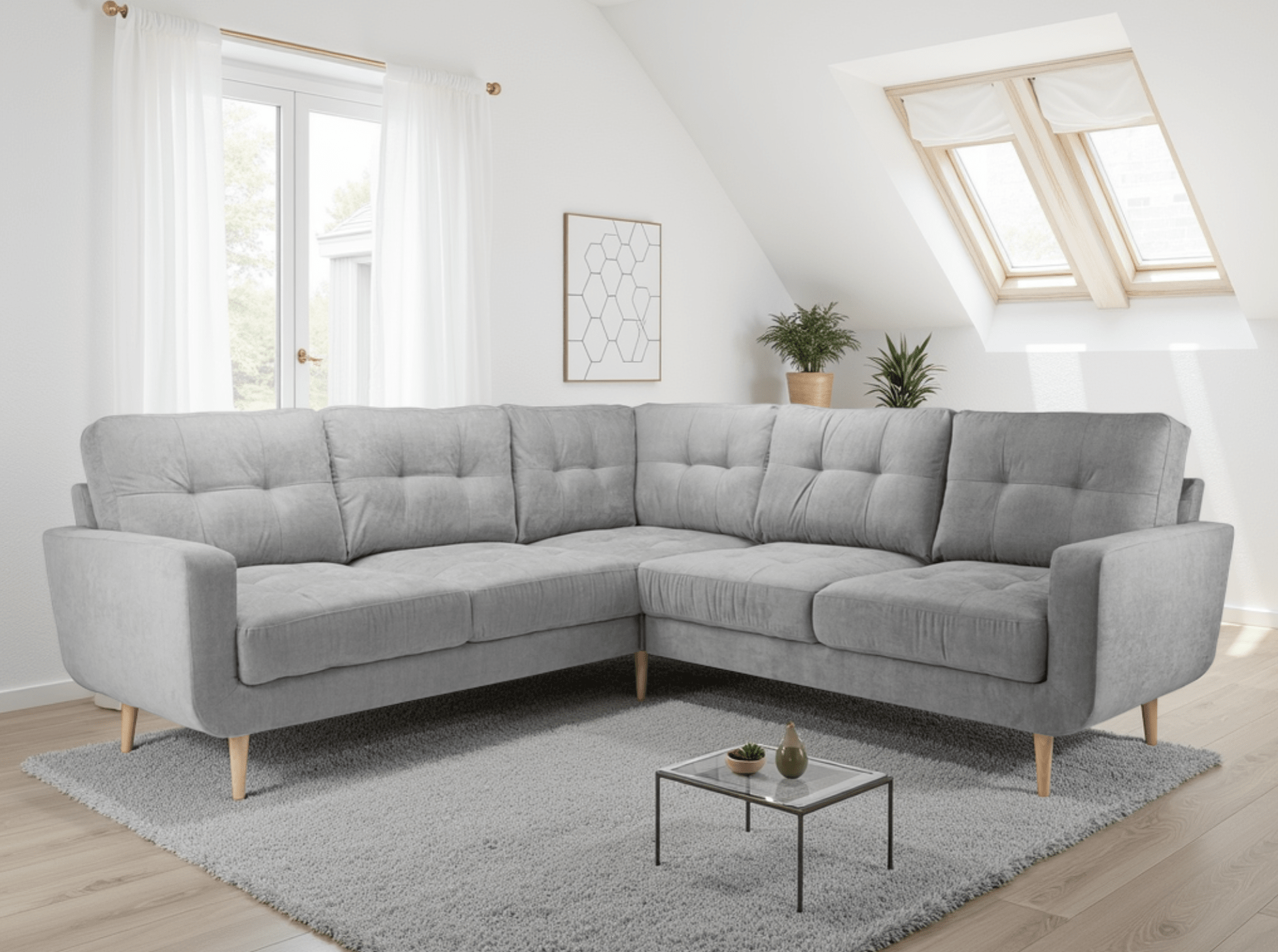
The most effective way to get smells out of a sofa is to use bicarbonate of soda — sprinkle it generously across the entire surface, leave for a minimum of one hour (longer for stronger odours), then vacuum thoroughly. Bicarbonate of soda neutralises odour molecules rather than masking them, making it the most reliable home remedy for sofa smells of all kinds.
This guide covers every type of sofa odour — dog smell, sick smell, musty smells, and general odours — with specific methods for both fabric and leather sofas.
Why Sofas Smell: The Most Common Causes
Understanding the source of the smell helps you choose the most effective treatment:
- Pet odours — dog and cat smells are caused by skin oils, dander, and saliva absorbed into the fabric over time. They're persistent because the source is constant and the compounds bind tightly to fibres
- Sick or vomit smell — a combination of stomach acid and organic matter that penetrates deep into foam cushions if not treated promptly
- Musty or damp smell — caused by moisture trapped in the fabric or foam, often after spills that weren't fully dried or in humid rooms
- General body odour — skin oils, sweat, and food odours that build up gradually with regular use
- New sofa smell — off-gassing from foam, fabric treatments, and adhesives. This dissipates naturally with ventilation over time
The Core Methods: What Actually Works
Bicarbonate of Soda (Most Effective General Deodoriser)
Bicarbonate of soda is the most effective and safest home deodoriser for fabric sofas. Unlike air freshener sprays, it neutralises odour compounds chemically rather than masking them with fragrance.
How to use:
- Remove all cushions and vacuum the entire sofa thoroughly first — loose debris traps odour and blocks the bicarbonate from reaching the fabric
- Sprinkle bicarbonate of soda generously across every surface — seats, backs, arms, and the underside of cushions
- Leave for a minimum of one hour — for dog smell or sick smell, leave overnight or for up to 12 hours for maximum effectiveness
- Vacuum thoroughly, using the upholstery attachment to remove all residue
Repeat weekly for pet households — regular application prevents odour build-up rather than just treating it after the fact.
White Vinegar Solution (Best for Cutting Through Pet Odours)
White vinegar is mildly acidic and highly effective at breaking down the alkaline compounds in pet urine and dog odour. The vinegar smell itself dissipates completely as it dries.
How to use on fabric: Mix equal parts white vinegar and water in a spray bottle. Lightly mist the affected area — don't saturate the fabric. Leave for 10–15 minutes, then blot with a clean dry cloth. Allow to air dry fully with good ventilation.
On leather: Use a more diluted solution — one part vinegar to three parts water — and apply with a soft cloth rather than spraying directly. Wipe dry immediately and apply leather conditioner once fully dry. For a full guide to safe leather sofa care, read how to clean a leather sofa.
Enzyme Cleaner (Best for Organic Odours — Dog, Sick, Urine)
For pet urine, sick, and other organic odours that have penetrated deep into the foam, an enzyme-based cleaner is the most effective solution. Enzyme cleaners break down the organic compounds causing the smell at a molecular level — something bicarbonate of soda and vinegar can't fully achieve on deeply absorbed odours.
Apply according to the product instructions, allow adequate dwell time, and blot dry. Most enzyme cleaners are safe on fabric sofas — always check the label and test in a hidden area first.
How to Get Dog Smell Out of a Sofa
Dog smell is one of the most persistent sofa odours because it comes from multiple sources — dander, saliva, skin oils, and sometimes urine — that accumulate over time in the fabric and foam.
For fabric sofas:
- Vacuum thoroughly with an upholstery attachment — this removes loose dander and hair that contribute significantly to the smell
- Apply bicarbonate of soda across the entire sofa and leave overnight — dog odour requires longer dwell time than most smells
- Vacuum the bicarbonate away completely the following morning
- Spray lightly with a white vinegar solution (equal parts vinegar and water) and allow to air dry fully — this tackles the underlying organic compounds that bicarbonate alone can't fully neutralise
- For persistent smell: apply an enzyme cleaner to the most affected areas — typically where the dog sits most often — and allow to dry completely before use
Ongoing prevention: Wash removable cushion covers regularly — read how to wash sofa covers without shrinking for safe machine washing guidance. A washable sofa throw placed where the dog sits makes maintenance significantly easier and protects the upholstery directly.
If you're looking for a sofa that handles pet households well, a grey corner sofa or a beige corner sofa in a tight weave or performance fabric is one of the most practical choices — these fabrics resist odour absorption better than open-weave or velvet alternatives. Browse Cozyo's corner sofa range to find pet-friendly options.
For leather sofas: Dog smell doesn't penetrate leather as deeply as fabric, which makes it somewhat easier to address. Wipe the surface thoroughly with a damp cloth, then apply a white vinegar solution (1:3 with water) with a soft cloth and wipe dry immediately. Condition afterwards. For ingrained smell in the seams and crevices, apply a small amount of enzyme cleaner to a cotton wool ball and work into the seam lines, then wipe clean.
How to Get Sick Smell Out of a Sofa
Sick smell is particularly unpleasant because stomach acid and organic compounds penetrate quickly and deeply into foam cushions. The key is treating it in the right order.
On fabric:
- Remove solid matter first — scrape carefully with a blunt spatula or spoon, working from the outside inward to avoid spreading
- Blot the liquid with a clean dry cloth — press firmly and lift straight up rather than wiping
- Apply cold water and blot again to dilute — never hot water, which can set proteins
- Apply an enzyme cleaner — this is the most important step for sick smell specifically. Spray generously, leave for the time stated on the product instructions, then blot dry
- Once dry, apply bicarbonate of soda across the affected area and leave for several hours before vacuuming
- Air the sofa thoroughly — open windows and allow airflow through the room for as long as possible
If the smell has reached the foam cushion pad itself, remove the cover (if removable — see how to wash sofa covers without shrinking) and treat the foam pad separately with an enzyme cleaner. Press the cleaner gently into the foam surface and allow to dry completely in a well-ventilated area before replacing the cover.
On leather: Remove solid matter carefully, wipe with a cold damp cloth, apply a mild soap solution, wipe clean, and condition. For residual smell in seams, apply white vinegar solution (1:3 with water) with a cotton wool ball, wipe dry, and condition.
How to Get Musty Smell Out of a Sofa
Musty smell is almost always caused by trapped moisture — either from a spill that wasn't fully dried, condensation in a cool room, or a sofa positioned against an external wall.
On fabric:
- Move the sofa away from the wall if possible and ensure airflow around all sides
- Apply bicarbonate of soda generously and leave for several hours — bicarbonate is particularly effective at absorbing moisture-based odours
- Vacuum thoroughly
- Spray lightly with white vinegar solution and allow to dry completely — ensure the room is well-ventilated during drying
- Use a dehumidifier in the room if the musty smell returns — persistent mustiness often indicates a humidity issue in the room rather than the sofa itself
For a sofa that got damp or wet: If the sofa was exposed to significant moisture, the foam cushion pads may need to be removed and dried separately. Stand them upright in a warm, well-ventilated room and allow them to dry completely — this can take 24–48 hours. Never replace covers or use the sofa until the foam is fully dry.
How to Remove Smell from a Sofa: Method Comparison
| Smell Type | Best Method | Secondary Method |
|---|---|---|
| Dog smell | Bicarbonate of soda overnight + enzyme cleaner | White vinegar solution |
| Sick / vomit | Enzyme cleaner first, then bicarbonate | White vinegar solution |
| Musty / damp | Bicarbonate of soda + full air dry | White vinegar solution, dehumidifier |
| General body odour | Bicarbonate of soda | White vinegar solution |
| Pet urine | Enzyme cleaner | Bicarbonate of soda |
| New sofa smell | Ventilation | Bicarbonate of soda |
Deodorising a Leather Sofa: Key Differences
Leather doesn't absorb odours as deeply as fabric, but it can still develop persistent smells — particularly in households with pets. The methods differ slightly:
- Never use undiluted white vinegar on leather — always dilute 1:3 with water and apply sparingly with a cloth, not a spray
- Always condition after any cleaning — deodorising treatments can dry out genuine leather. Follow every clean with a leather conditioner to restore moisture and suppleness
- Use bicarbonate of soda with care — sprinkle lightly and vacuum after no more than an hour. Extended contact can dry out the leather surface
- Enzyme cleaners on leather — test in a hidden area first. Most are safe on leather but some formulations can affect the surface finish
For full leather care guidance alongside deodorising, read our complete guide to how to clean a leather sofa.
Frequently Asked Questions
How do you get smell out of a sofa?
Sprinkle bicarbonate of soda generously across the sofa, leave for at least one hour, then vacuum thoroughly. For stronger odours, leave overnight. Follow with a light spray of white vinegar solution (equal parts vinegar and water) and allow to air dry fully.
How do you get dog smell out of a sofa?
Vacuum thoroughly to remove dander and hair, apply bicarbonate of soda and leave overnight, then vacuum away. Follow with a white vinegar and water spray and allow to dry fully. For persistent dog smell, use an enzyme cleaner on the most affected areas.
How do you get sick smell out of a sofa?
Remove solid matter first, blot with a dry cloth, then apply an enzyme cleaner and allow adequate dwell time. Once dry, apply bicarbonate of soda and leave for several hours before vacuuming. Air the sofa thoroughly with good ventilation.
How do you get rid of dog smell on a sofa?
Regular maintenance is the most effective approach — weekly bicarbonate of soda treatment, regular vacuuming to remove dander, and washing removable cushion covers frequently. A washable throw placed where the dog sits protects the upholstery directly.
How do you remove musty smell from a sofa?
Apply bicarbonate of soda, leave for several hours, then vacuum. Spray lightly with diluted white vinegar solution and allow to dry fully with good ventilation. If the smell persists, check for a room humidity issue — a dehumidifier often solves recurring mustiness more effectively than treating the sofa itself.
Does bicarbonate of soda remove sofa smells?
Yes — bicarbonate of soda is one of the most effective home deodorisers for sofas. It neutralises odour compounds chemically rather than masking them. For best results, leave it for at least one hour — overnight for strong smells — before vacuuming away.
Keep Your Sofa Fresh Year-Round
For complete sofa maintenance beyond odour removal, read our full guides to how to clean a fabric sofa and how to remove stains from a sofa — together these three guides cover everything you need to keep your sofa in its best condition.
If you're considering a new sofa that's better suited to a busy household, browse Cozyo's full sofa collection or explore the corner sofa range in grey, beige, cream, and black. Every Cozyo sofa is delivered by a 2-man team and assembled in your room — read how corner sofas are delivered to find out exactly what to expect on delivery day.
Share:
How to Remove Stains from a Sofa: The Complete Guide to Every Stain Type
What Colours Go With a Grey Sofa? The Complete Styling Guide