
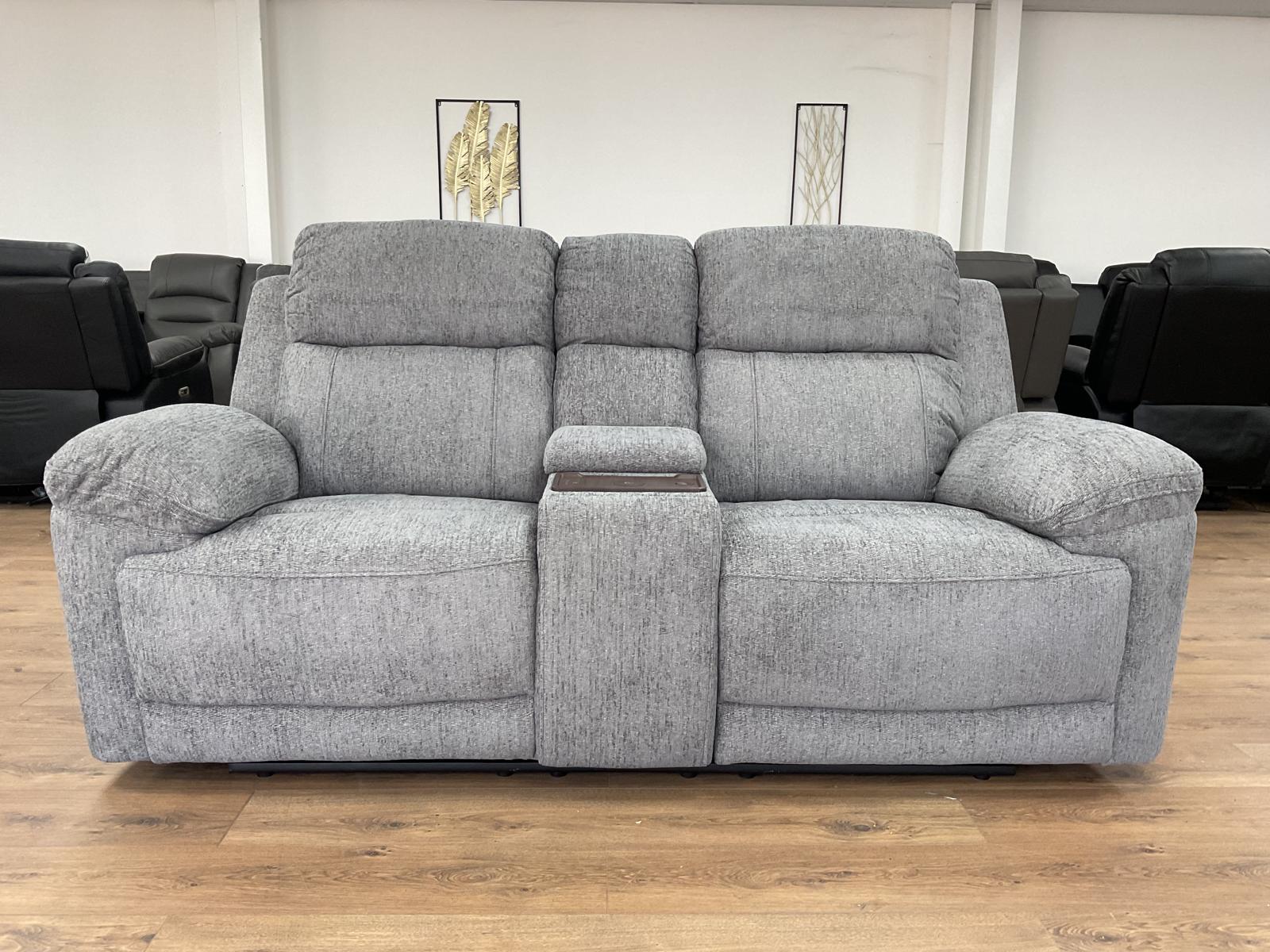
Yes — recliner sofas are worth it for most buyers, provided you choose the right type for your needs and invest in a model with a quality mechanism. The benefits in comfort, back support, and versatility are significant. The main considerations are mechanism quality, style, room size, and whether manual or power operation suits your lifestyle.
This guide covers everything you need to know before buying — honestly.
The Honest Pros and Cons of Recliner Sofas
The Benefits
Exceptional comfort for TV watching and relaxing — the ability to recline and elevate your legs simultaneously creates a genuinely superior rest position compared to a standard sofa. For people who spend extended periods on the sofa, the difference is significant.
Back pain relief — a reclined position at 100–130 degrees takes pressure off the lumbar spine compared to sitting fully upright at 90 degrees. Elevating the legs further reduces lower back strain. For people with chronic lower back issues, a quality recliner can be transformative. Read our full guide on how to make a sofa more comfortable for more on posture and back support.
Versatile seating positions — from fully upright for eating or working, to partially reclined for watching TV, to fully flat for resting, a recliner offers a range of positions a standard sofa simply can't match.
Independent recline per seat — on quality models, each seat reclines independently. One person can be fully reclined while another sits upright — something no standard sofa offers.
Good for elderly users and people with mobility issues — the motorised lift mechanism available on some power recliners assists with standing up from a seated position, making them a practical choice for older users or anyone with joint pain.
The Drawbacks
More expensive than equivalent standard sofas — the mechanism adds significant cost, particularly on power recliner models. Budget recliner sofas with poor mechanisms are a false economy — more on this below.
Require more space — standard recliners need 30–45cm of clearance behind the sofa to tilt fully. Even wall-hugger models need some clearance. Before buying, check your room measurements carefully — our guide to how to measure a corner sofa covers how to account for recliner clearance in your planning.
Power recliners need a socket — an electric recliner sofa needs to be positioned within cable reach of a mains socket. This can limit placement options.
Mechanism can fail on cheap models — this is the most significant downside and the one most worth paying to avoid. A broken recliner mechanism is expensive to repair and can render the sofa unusable. Quality mechanisms from reputable manufacturers last significantly longer.
Heavier than standard sofas — the mechanism adds considerable weight, making recliner sofas more difficult to move and manoeuvre on delivery day. Read how corner sofas are delivered for what to expect — Airedale Livings 2-man team handles all of this for you.
Are Recliner Sofas Good for Your Back?
Yes — with important caveats. A quality recliner sofa in the right position can significantly reduce lower back pain. Here's the detail:
The case for recliners and back pain: Sitting fully upright at 90 degrees is actually one of the worst positions for the lumbar spine — it compresses the intervertebral discs and flattens the natural lumbar curve. Reclining to 110–130 degrees reduces this compression considerably. Elevating the legs simultaneously reduces strain on the lower back by shifting weight away from the lumbar region.
Research cited in multiple physiotherapy contexts suggests that a reclined sitting position of around 110–135 degrees is optimal for spinal disc pressure — less compressive than upright sitting and more supportive than lying fully flat.
The caveats:
- A very soft or poorly supported recliner can still cause back problems by allowing the lumbar spine to slump rather than maintaining its natural curve
- Staying in any single position for extended periods is problematic regardless of the chair — recliners are best used with regular position changes
- Zero gravity recliners offer the most clinically studied back pain benefits — they distribute body weight across the entire back surface and elevate legs to heart level
If back pain is your primary reason for buying, look specifically for a recliner with good lumbar support in the back cushioning and consider a zero gravity or power recliner where you can fine-tune the exact recline angle. For more detail on posture and seating, read how to make a sofa more comfortable.
Are Recliner Sofas Durable? How Long Do They Last?
A quality recliner sofa should last 8–12 years with regular use — comparable to a good standard sofa. The mechanism itself, when well-made, is not the weak point — the upholstery and foam are typically what degrades first, as with any sofa.
What affects recliner sofa durability:
- Mechanism quality — branded mechanisms from established manufacturers (La-Z-Boy, Leggett & Platt) are significantly more durable than unbranded equivalents. A quality mechanism will cycle reliably tens of thousands of times over its lifespan
- Frame construction — hardwood or steel frames outlast softwood and MDF frames considerably. Check the specification before buying
- Upholstery quality — high-resilience foam and durable fabric or leather determines how the sofa looks and feels after years of use, not just on day one
- Motor quality on power recliners — cheap motors burn out faster under heavy use. Look for motors with a manufacturer warranty of at least 2 years
Do recliner sofas break easily? Cheap recliner sofas with unbranded mechanisms do break more easily — particularly the footrest release mechanism and the cables that connect the lever to the footrest frame. Quality recliners with proper mechanisms do not break easily under normal use.
Are power reclining sofas reliable? Power recliners from reputable manufacturers are highly reliable. The motors used in quality power recliners are designed for hundreds of thousands of cycles — far more than any sofa will realistically accumulate in its lifetime. The components most likely to need attention are the handsets and control cables, which can be replaced at low cost.
Are Recliner Sofas Out of Style? Are They Tacky?
This is a fair question — and the answer depends entirely on which recliner sofa you buy.
The recliner sofas that look dated and out of place are almost always bulky, oversized models in synthetic leather with prominent cup holders and headrests — the type associated with early 2000s home cinema rooms. These still exist and are still sold, and they do look dated.
Contemporary recliner sofas are a completely different proposition. Clean-lined, low-profile designs in quality fabric — boucle, linen weave, and premium faux leather — are virtually indistinguishable from standard sofas until someone activates the mechanism. The recliner function is entirely concealed when not in use.
What makes a recliner sofa look good:
- Slim, modern profile with minimal visual bulk
- Quality fabric rather than cheap synthetic leather
- No external footrest or obvious mechanism visible from the front
- Clean arm design without oversized headrests or wings
- Consistent colour and fabric across the whole sofa
Browse recliner sofas to see how contemporary recliner design looks — and compare with the full corner sofa collection to assess the aesthetic difference yourself.
Manual vs Electric Recliner: Which Is Better?
Neither is objectively better — the right choice depends on your needs and budget.
Choose a manual recliner if:
- Budget is a primary consideration
- You want a simpler mechanism with less to go wrong
- You don't need to fine-tune recline angle precisely
- You don't want to position the sofa near a socket
Choose a power recliner if:
- You want infinite recline adjustment rather than fixed click positions
- Back pain or mobility issues make precise positioning important
- You want zero gravity positioning
- You prefer the convenience of button or remote operation
For a full technical breakdown of how each mechanism works, read our guide to how a recliner sofa works.
What to Look for When Buying a Recliner Sofa
1. Mechanism Brand and Quality
Ask specifically about the mechanism manufacturer. Branded mechanisms carry manufacturer warranties and replacement parts are available. Unbranded mechanisms are the single biggest cause of early recliner sofa failure.
2. Frame Construction
Look for hardwood or steel frame construction. Avoid sofas that don't specify frame material — this usually means softwood or composite board.
3. Wall Clearance Requirements
Measure the gap between your planned sofa position and the wall before buying. Standard recliners need 30–45cm; wall-hugger models need 5–10cm. Buying a standard recliner for a room without adequate clearance is the most common recliner purchasing mistake.
4. Motor Warranty on Power Models
Look for a motor warranty of at least 2 years — preferably 3–5 years on premium models. A short or absent motor warranty is a strong signal of component quality.
5. Independent Seat Recline
Confirm whether each seat reclines independently or whether all seats move together. Independent recline is almost always preferable for households of more than one person.
6. Fabric and Foam Quality
The mechanism is only part of the sofa — check the foam density and fabric specification as you would for any sofa purchase. A quality mechanism in a poorly upholstered sofa still deteriorates quickly.
7. Delivery and Access
Recliner sections are heavy — particularly power recliner sections with motors. Confirm that the retailer offers 2-man delivery and in-room assembly, and check individual section dimensions against your access points. Every Airedale Living sofa is delivered by a 2-man team and assembled in your room.
Is a Recliner Better Than a Sofa?
It depends on what you're optimising for. A recliner sofa is better than a standard sofa for comfort, back support, and versatile seating positions. A standard sofa is often better for aesthetics, room flexibility, and simplicity.
For households where comfort during TV watching or resting is the primary priority — and particularly for anyone with back pain or mobility considerations — a quality recliner is worth the investment. For households where the sofa is primarily a social or decorative piece, a standard sofa often makes more sense.
The best approach is to consider both — browse recliner sofas alongside the corner sofa range and compare which configuration suits your room and lifestyle better.
Where to Buy a Recliner Sofa
When buying a recliner sofa, prioritise retailers who can provide clear information on mechanism brand, frame construction, and foam specification — and who offer 2-man delivery with in-room assembly. A recliner sofa is a significant investment and the purchasing experience should reflect that.
Browse recliner sofa collection — or explore the full range of corner sofas in grey, beige, cream, and black if you're weighing up recliner versus standard corner sofa options.
Frequently Asked Questions
Are recliner sofas worth it?
Yes — for most buyers. The comfort, back support, and positional versatility of a quality recliner sofa significantly outweigh the drawbacks. The main consideration is mechanism quality — a cheap recliner is not worth it, but a well-made one with a quality mechanism is a long-term investment in daily comfort.
Are recliner sofas good for your back?
Yes — reclining to 110–130 degrees reduces lumbar compression compared to sitting upright at 90 degrees. Elevating the legs further reduces lower back strain. Look for models with good lumbar support in the back cushioning for maximum benefit.
Are recliner sofas durable?
Quality recliner sofas last 8–12 years with regular use. Mechanism durability depends primarily on the quality of the manufacturer — branded mechanisms outlast unbranded alternatives significantly. Frame and upholstery quality determines the rest of the sofa's lifespan.
Are recliner sofas out of style?
Bulky, oversized recliner designs can look dated — but contemporary recliner sofas in clean-lined, slim-profile designs with quality fabrics are stylish and virtually indistinguishable from standard sofas when not in use.
What should I look for when buying a recliner sofa?
Prioritise mechanism brand and quality, frame construction (hardwood or steel), wall clearance requirements, motor warranty on power models, independent seat recline, and fabric and foam specification. Confirm 2-man delivery and in-room assembly before purchasing.
How long do reclining sofas last?
A quality recliner sofa should last 8–12 years with regular use. The mechanism itself — when well-made — is highly durable. The upholstery and foam typically degrade before the mechanism on quality models.
Do recliner sofas break easily?
Cheap recliner sofas with unbranded mechanisms break more easily — particularly the footrest release and connecting cables. Quality recliners with branded mechanisms do not break easily under normal household use.
Ready to Choose?
Browse recliner sofa collection to find the right model for your home — or explore our full corner sofa range if you're still weighing up configurations. Not sure which sofa type suits your needs? Read sofa types explained for a complete overview of every configuration, and how to choose the right corner sofa if a corner configuration is on your shortlist.
Share:
How Does a Recliner Sofa Work? Types, Mechanisms and Buying Guide
How to Assemble a Recliner Sofa: Step-by-Step Guide for Manual and Electric Models